

Women in Indonesia and Malaysia rank climate-health risks
A feature article says women’s local knowledge can make climate-health research more useful, while noting barriers created by caregiving roles and gender…
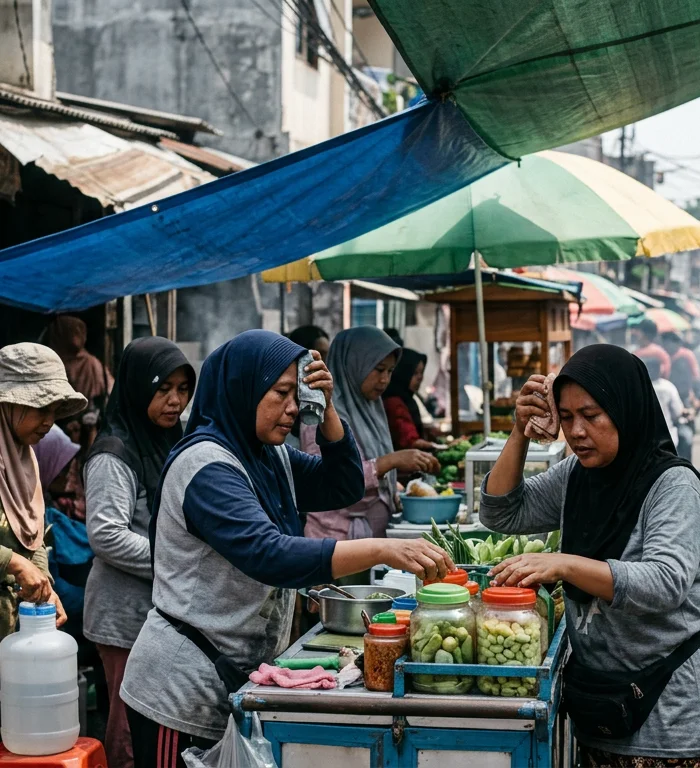
Women in Indonesia and Malaysia ranked different climate-health threats in studies discussed by The Diplomat on Oct. 30, with the feature citing a 14-fold female death risk in climate events.
The policy stake is practical: the feature cited Indonesia data linking unsafe water sources to 29% of women’s deaths, compared with 25% for men, while women remain underrepresented in research and response planning.
The article said women in Indonesia placed air pollution first, followed by water and food security and environmental degradation. Participants raised concerns about respiratory illness, water contamination, food affordability, industrial pollution and ecosystem loss.
In Malaysia, the feature said women ranked extreme heat as the top concern, followed by severe weather and air pollution. Reported worries included heat stress, dehydration, disrupted work and caregiving, flooding, storms, menstrual health, reproductive health, livelihoods and mental health.
The research included women from several groups, according to the feature, including Indigenous women, women with disabilities or caring responsibilities, religious minority women, low-income women and women working outdoors. The article said participants described climate change through daily pressures on health, water, food, income, care work and community wellbeing.
The feature linked women’s vulnerability to limited mobility, weaker access to information and decision-making, and restricted access to healthcare and services. It also said disasters and extreme weather events are associated in studies with higher risks of gender-based violence, psychological distress, pregnancy complications and sexual and reproductive health problems.
Participants saw a role beyond being research subjects, according to the article. They said women could help frame research questions, test methods, gather data, interpret findings, communicate results, engage policymakers and support community outreach.
The article also described participation barriers. Some women reported needing approval from husbands or male relatives for activities outside the home, while others raised concerns about conflict or gender-based violence if they acted independently.
Source: feature article, The Diplomat, Oct. 30, 2026
More stories
- Germans oppose Ukraine aid as poll shows support slipping
- Kim Jong-un receives 10 envoys after constitutional shift
- Ukraine claims Libya strike sinks Russian naval corvette
- COP31 climate talks collapse over fossil fuels and funds
- Russian military faces 1,087 recorded suicides in Ukraine war
- US faces China, Russia in Africa minerals contest
- Japan faces ASEAN doctrine test after Fukuda dies at 90
- Palm oil buyers face EU deforestation risk from Dec. 30
- Nigeria traces 44 contacts after Abuja Ebola case
- UAE ministry seeks bids for 68km Dubai-RAK highway
Latest news
- Trump prepares tariffs on China and other major exporters
- New-car buyers pay record average $50,087 in October
- Banks face ECB reserve debate over liquidity and profits
- Investors see Anthropic debut gains fade below $83 a share
- Iraq orders federal control over Kurdish-area oilfields
- Nvidia shares retreat as AI rally cools before PCE data
- Macy’s parade faces balloon limits as storm winds approach