

Rubio: Iran operation nearing end in weeks
U.S. Iran operation could end within weeks, Rubio said Friday, as strikes continue and Hormuz shipping restrictions raise global market risks.
The United States expects its military operation against Iran to wrap up within weeks, Secretary of State Marco Rubio said on Friday. His comments came as fighting and threats of escalation continued across the region, adding pressure to energy markets and global shipping routes.
Rubio spoke after a G7 foreign ministers meeting in France and said Iran would come out of the conflict significantly weakened. The statement is a projection rather than a confirmed timeline, and other U.S. officials have offered differing estimates for how long the campaign could last.
Regional strikes and reported damage
Iran carried out an attack on Prince Sultan Air Base in Saudi Arabia that injured 12 U.S. soldiers, the source material says. The strike involved at least one missile and multiple drones, and it damaged a building as well as several aerial refueling aircraft.
At the same time, Israel continued its offensive against Iran, including strikes on nuclear-related sites. The targets cited include the Shahid Khondab heavy-water complex and the Ardakan yellowcake production plant, with no casualties or contamination reported in the account provided.
What changed and what remains unclear
The new element in this update is Rubio’s expectation of a relatively short endgame measured in weeks, set against an environment where escalation risks remain active. The operation is described as having begun on February 28, but the source also notes that U.S. officials have not been consistent about the expected duration.
Iran, for its part, has taken a defiant posture and has denied that any negotiations with the United States are underway. That denial leaves uncertainty around diplomatic off-ramps and complicates market assumptions about how quickly tensions could ease.
Shipping disruption centers on the Strait of Hormuz
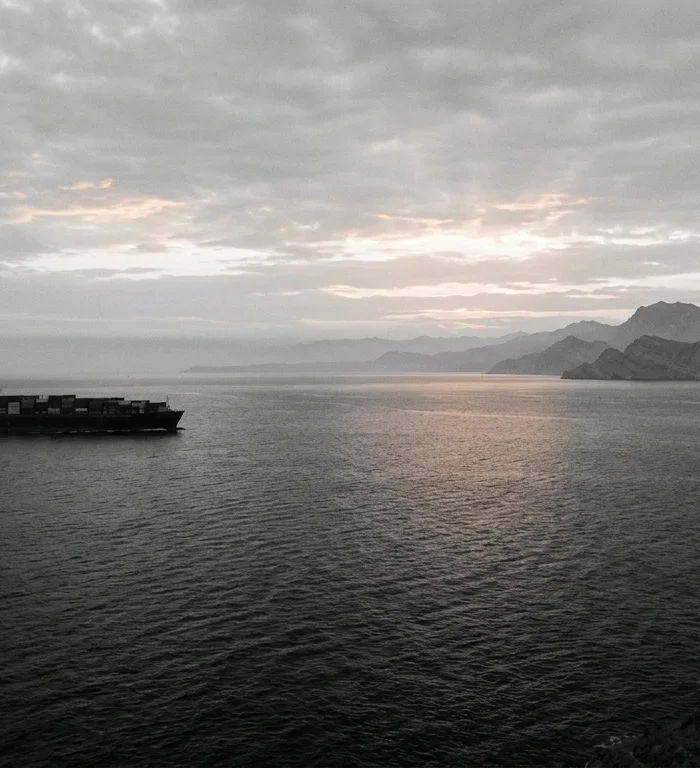
The conflict is also affecting maritime trade, with Iran’s Islamic Revolutionary Guard Corps (IRGC) asserting control over the Strait of Hormuz. The waterway is described as carrying roughly one-fifth of global oil shipments, making it a focal point for energy security and freight costs.
In the account provided, the IRGC said it turned back three container ships and barred passage for vessels linked to allies of Israel and the U.S. The situation has raised concerns about economic fallout and the possibility of additional military steps aimed at maintaining freedom of navigation.
More stories
- Bardella denies antisemitism claims over teenage messages
- Washington targets China in new tariff push on trade ties
- Eisenkot secures first coalition deal but lacks majority
- Germans oppose Ukraine aid as poll shows support slipping
- Kim Jong-un receives 10 envoys after constitutional shift
- Ukraine claims Libya strike sinks Russian naval corvette
- Spanish Euthanasia Case: Castillo Ends Her Life
- US-Iran tensions spike with new Mideast deployment
Latest news
- Norse Atlantic suspends flights in urgent rescue funding bid
- Retailers rethink Black Friday as discount fatigue grows
- Japan data centers face lawsuits over residential sites
- S&P puts Nvidia credit rating on watch over board concerns
- Musk pledges two SpaceX shares per child in new US giveaway
- Morocco targets 2030 World Cup final with new stadium bid
- Barclays puts AI bust risk at center of US growth debate
- US inflation reaches 3.8% before December Fed rate meeting