US-Iran Tensions Spike with New Mideast Deployment
US deploys a carrier group, B-52s and 7,500 personnel to CENTCOM as tensions with Iran rise; Brent crude jumps above 4%.
Lauren Collins ·
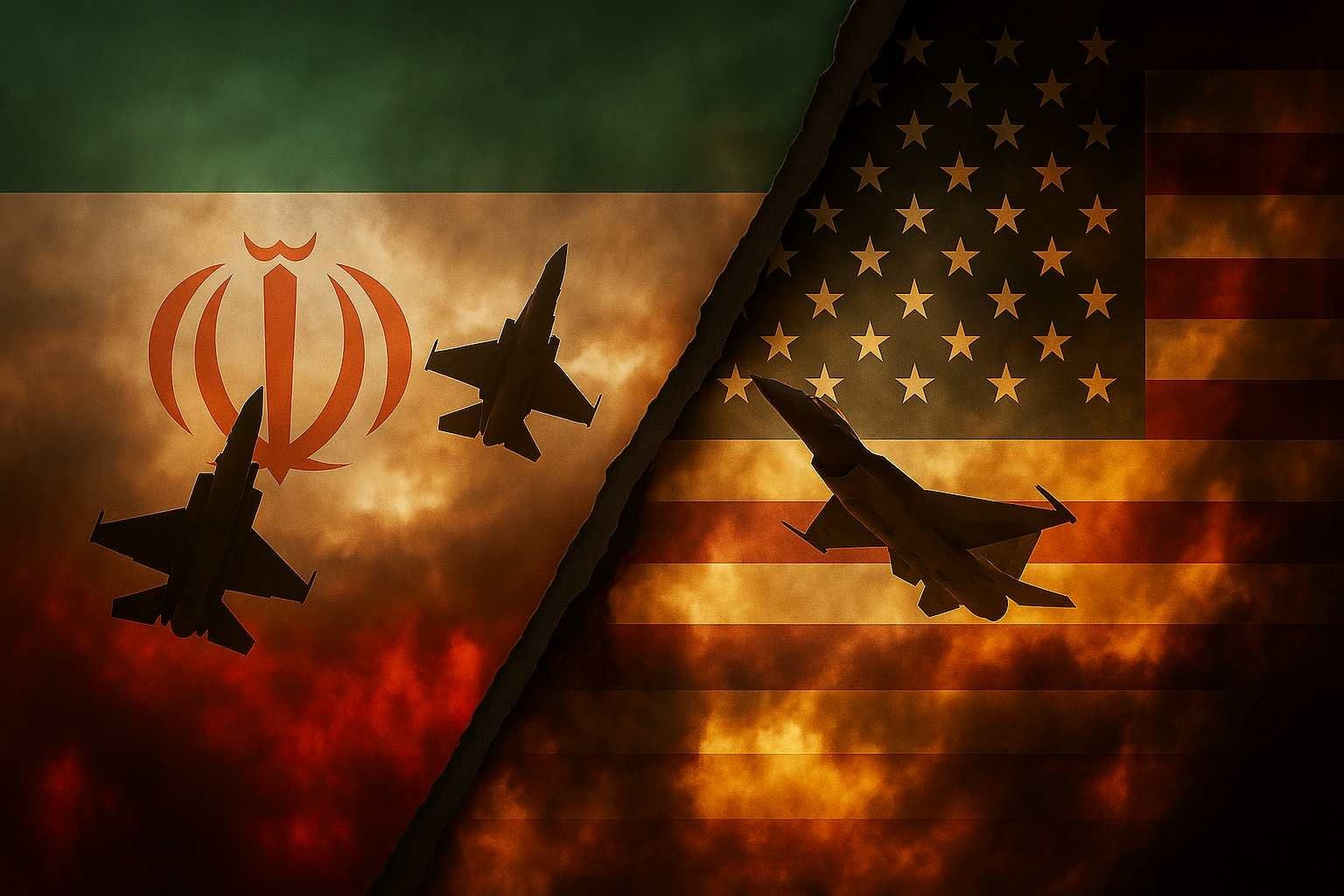
The United States is increasing its military footprint in the Middle East, adding major naval and air assets and thousands of personnel as Washington cites what it calls credible threats to American interests.
The Pentagon said the move is designed to deter Iran and aligned regional groups, as friction rises following recent attacks on US positions in Syria and Iraq.
What was announced
The deployment includes the USS George H.W. Bush Carrier Strike Group and a bomber task force of B-52 Stratofortress aircraft.
In addition, about 7,500 more personnel are being sent to the US Central Command (CENTCOM) area of responsibility, reinforcing roughly 40,000 US troops already in the region.
US rationale and the diplomatic backdrop
At a Pentagon briefing on March 25, 2026 , Defense Secretary Frank Jacobson described the step as a “prudent and defensive measure,” saying it was driven by specific intelligence.
Jacobson said the additional forces are intended to give commanders more flexible options if aggression occurs. The Pentagon framed the posture as deterrence rather than preparation for offensive action.
The shift comes as nuclear diplomacy remains stalled. Talks aimed at restoring the 2015 nuclear agreement have been inactive for more than a year, while Tehran has reportedly advanced uranium enrichment capabilities—an issue Washington and partners, including Israel, view as a central concern.
Security context in Iraq and Syria
The decision follows months of low-level incidents, including drone strikes and skirmishes involving US bases in Syria and Iraq .
US intelligence agencies have attributed those attacks to Iranian-backed militias. The source material does not provide further operational details, casualty figures, or a timeline for the new deployments beyond the announcement date.
Energy markets react
Global oil markets moved quickly after the announcement. Brent crude futures rose more than 4% to nearly $98 a barrel , reflecting heightened concern about supply risks tied to regional escalation.
Investors remain focused on the Strait of Hormuz , a key maritime chokepoint through which about one-fifth of the world’s oil supply transits. Any disruption there can transmit rapidly into fuel prices and inflation expectations worldwide.
Regional and international responses
European leaders called for de-escalation, urging Washington and Tehran to show restraint and reopen diplomatic channels to reduce the risk of miscalculation.
Saudi Arabia and the United Arab Emirates have not issued official public statements, though they are reportedly on heightened alert. The source material does not specify what measures, if any, those states have taken.
What happens next
Attention is now on Iran’s response to the expanded US presence. Analysts are watching official messaging from Tehran and movements by the Islamic Revolutionary Guard Corps (IRGC) Navy in the Persian Gulf for indications of further escalation or restraint.
Key uncertainties include the durability of deterrence, the risk of additional attacks by aligned militias, and whether diplomatic channels can be revived after more than a year of inactivity in nuclear talks.