

Vitamin B12 Identified as Potential Therapeutic for Rare Genetic Splicing Disorders
Vitamin B12 has been shown to reverse developmental defects in laboratory models of Verheij syndrome, suggesting a potential new metabolic-based treatment…
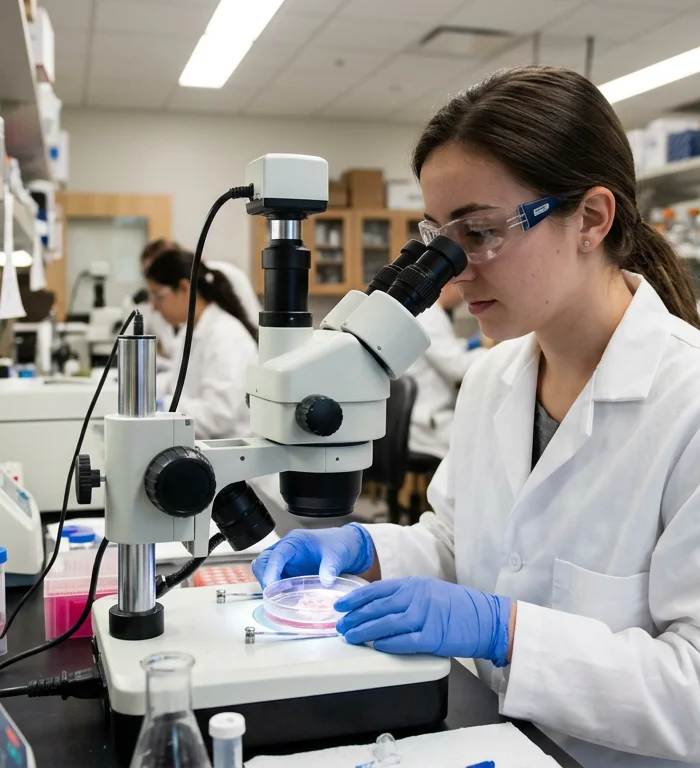
Researchers have identified that vitamin B12 supplementation can reverse developmental abnormalities in laboratory models of Verheij syndrome, a rare genetic disorder characterized by growth impairment and developmental delays. The study indicates that mutations associated with the syndrome disrupt RNA splicing, which subsequently impairs vitamin B12-dependent metabolic pathways.
Experiments conducted on C. elegans demonstrated that the administration of vitamin B12 restored normal metabolic function and corrected growth defects caused by the genetic mutation. This suggests that the underlying pathology of certain spliceosomopathies may be rooted in metabolic disruption rather than solely in protein synthesis errors.
Clinical investigations involving human blood samples confirmed that Clinical investigations involving human blood samples confirmed that patients with Verheij syndrome exhibit metabolic markers similar to those observed in the laboratory models. These findings suggest that the metabolic pathways identified in the study are conserved across species and may be relevant to human disease progression.
While the results provide a potential mechanism for While the results provide a potential mechanism for therapeutic intervention, clinical efficacy in humans remains unproven. Further research is required to determine if vitamin B12 supplementation can safely and effectively mitigate symptoms in patients diagnosed with the disorder.
The study highlights a broader potential for identifying metabolic vulnerabilities in rare genetic diseases caused by RNA splicing defects. This approach may facilitate the development of new treatment strategies for a range of conditions currently lacking targeted pharmacological interventions.
More stories
- Dietitians advise small swaps for plant-based eating
- TikTok dementia videos mislead in 66.4% of sample, researchers say
- Aberdeen Royal Infirmary faces police inquiry call over 19 deaths
- Bariatric surgery group loses 28.2% after GLP-1 use
- TOFA boosts mouse energy use 18% while preserving muscle
- ICO probes NHS therapy notes accessible to up to 140,000 staff
- U.S. faces loss of measles elimination status after 5,412 cases
- Congo Ebola outbreak spreads to 8 provinces
- Pope Leo XIV faces lung cancer diagnosis after lobe removal
- Guinea fowl avoid 23% energy cost after early leg loading
Latest news
- David Parr House to honor Victorian art-workman with blue plaque
- Iran's attacks hit 25 tankers near Strait of Hormuz
- FCC approves prison cellphone jamming despite 2.5-mile warning
- Russia strikes Ukraine as Odesa faces electricity strain
- Bahrain reports two injuries after Iranian aerial attacks
- Congress tests Black Democrats' growing policy influence
- Baltic responders fight Sparta II fire after drone strike
- Europe faces attribution gap after 16 cyber, physical incidents