

Vance explores back-channel talks with Iranian security leadership
Vice President-elect Vance is pursuing direct communication with Tehran, marking a significant departure from traditional U.S. regional diplomacy.
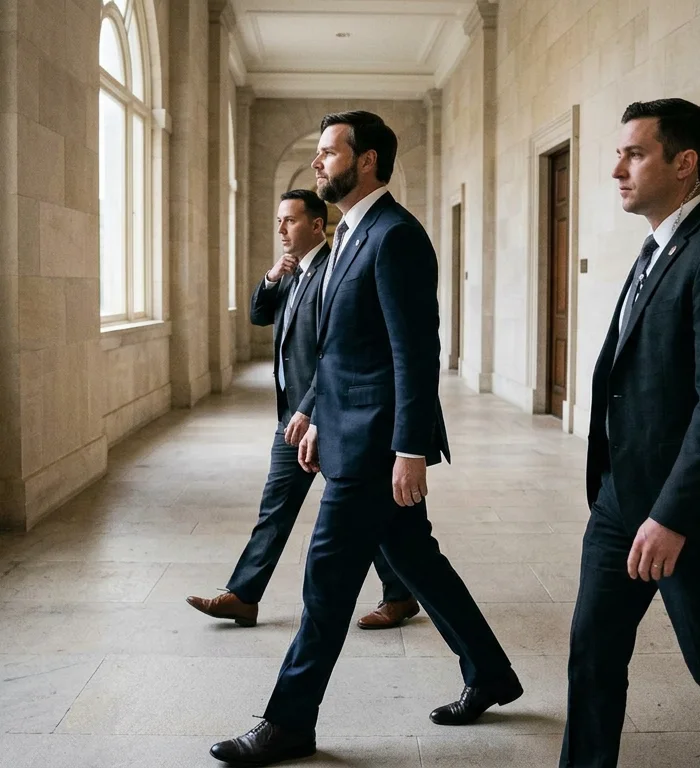
Direct diplomacy push Vice President-elect JD Vance has initiated outreach to establish direct communications with Iranian security leadership. This move suggests a pivot toward a realist diplomatic framework, signaling a potential break from the maximum pressure policies that dominated U.S.-Iran relations during the previous decade. The outreach seeks to bypass traditional intermediaries that have long managed the indirect exchange of messages between Washington and Tehran. While official channels have historically relied on Omani or Qatari mediators, direct engagement would represent a fundamental realignment of U.S. foreign policy toward the Islamic Republic. Regional security calculations The prospect of a direct Washington-Tehran dialogue has created strategic anxiety across the Gulf Cooperation Council (GCC) states. Officials in Riyadh and Abu Dhabi are monitoring the shift closely, fearing a bilateral grand bargain that could address U.S.-Iran tensions while leaving specific regional security concerns unexamined. During the first Trump administration, the U.S. withdrew from the Joint Comprehensive Plan of Action (JCPOA) in 2018, favoring a policy of economic isolation. Subsequent regional efforts led to the Abraham Accords, which sought to formalize ties between Israel and several Arab nations to create a unified front against Iranian influence. Any movement toward direct U.S.-Iran talks complicates the durability of these established alignments. Global macro spillover
Vice President
The potential for a thaw in U.S.-Iran relations introduces significant uncertainty for energy and shipping markets. The Strait of Hormuz remains a critical artery for global oil supply, and any formalization of a new diplomatic track could lead to shifts in regional fiscal policies or adjustments to OPEC+ production quotas.
The primary open question is whether this outreach is intended to be a sustained diplomatic shift or a limited tactical maneuver. Market participants are watching for any public reaction from the Iranian Supreme National Security Council, which would confirm whether the engagement is being taken seriously by Tehran.
More stories
- Germans oppose Ukraine aid as poll shows support slipping
- Kim Jong-un receives 10 envoys after constitutional shift
- Ukraine claims Libya strike sinks Russian naval corvette
- COP31 climate talks collapse over fossil fuels and funds
- Russian military faces 1,087 recorded suicides in Ukraine war
- US faces China, Russia in Africa minerals contest
- China rejects US spy claims in Nvidia-linked tech fight
- Italy lower house advances vaccine-sceptic medic return bill
- SpaceX’s AI buildout adds $40 billion in GPU debt
- South Africa records 76,922 HIV prevention jab initiations
Latest news
- Trump prepares tariffs on China and other major exporters
- New-car buyers pay record average $50,087 in October
- Banks face ECB reserve debate over liquidity and profits
- Investors see Anthropic debut gains fade below $83 a share
- Iraq orders federal control over Kurdish-area oilfields
- Nvidia shares retreat as AI rally cools before PCE data
- Macy’s parade faces balloon limits as storm winds approach