

China rejects US spy claims in Nvidia-linked tech fight
China rejected US espionage allegations tied to Nvidia, saying Washington is using spy claims to justify technology restrictions before expected Trump-Xi…
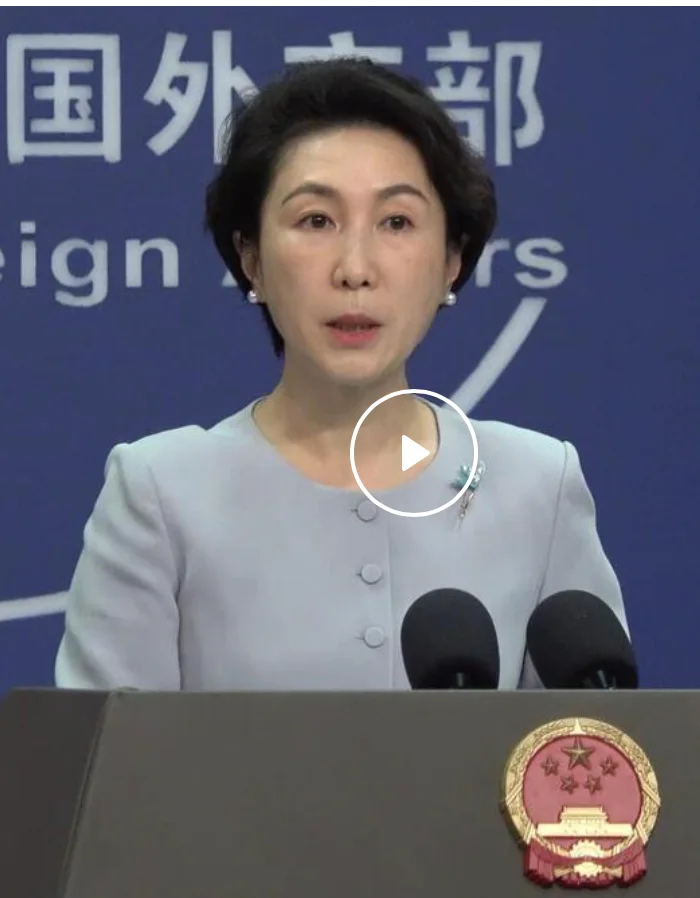
China rejected US espionage allegations linked to Nvidia as a pretext for technology limits, adding strain before expected Trump-Xi talks.
The accusation came from Chinese Foreign Ministry spokesperson Mao Ning in Beijing on Thursday, after reports alleged Nvidia Chief Executive Jensen Huang had ties to women described in those reports as linked to Chinese espionage concerns. Beijing denied the spying claims and framed them as part of a wider US effort to slow China’s technology development.
Mao ties claims to tech controls
Mao said Washington was using what she called a “Chinese spy narrative” to justify restrictions on Chinese technology. “China's scientific and technological progress is driven by independent innovation and open cooperation; the US should cease fabricating so-called espionage narratives to find pretexts for imposing a technological blockade,” Mao said.
The statement linked a personal controversy around Huang to the broader contest over advanced chips and artificial intelligence. Nvidia’s position in AI chip design and production makes any uncertainty around its leadership relevant beyond the company’s own governance.
The reports said Huang had been accused of a second affair, allegedly involving Nvidia Vice President Kimberley Powell. A separate reported allegation concerned Alice Huang, a former executive at Singapore-based Megaspeed International, who was described in those reports as suspected by the US of spying for Beijing.
Nvidia board faces scrutiny
Huang admitted he had been unfaithful to his wife, with whom he has two children, according to the supplied material. The espionage allegations around Alice Huang remain claims attributed to US media reports, and Beijing has rejected them.
Asked whether Alice Huang was living in Beijing, Mao said: “I am not aware of the situation you mentioned.” The answer avoided confirming her whereabouts while keeping China’s response focused on denying the espionage narrative rather than addressing the personal claims in detail.
Reports also said Nvidia’s board was set to hold an emergency meeting on Thursday to decide whether Huang should remain in his role. No outcome from that meeting was provided in the supplied material, and no Nvidia statement was included.
For Nvidia, the immediate issue is whether the controversy remains a reputational and governance matter or begins to affect its leadership stability. For the chip sector, the mechanism is different: any case that ties AI executives to national security allegations can feed policy arguments for tighter controls on advanced technology.
APEC summit frames next steps
The dispute surfaced before the Asia-Pacific Economic Cooperation leaders’ summit in Shenzhen, where President Trump and Chinese President Xi Jinping are expected to meet. Mao said Beijing and Washington remained in contact over possible talks but did not confirm speculation about a meeting involving Russian President Vladimir Putin.
If a Trump-Xi meeting goes ahead, the Nvidia-linked dispute may become one more pressure point in talks already shaped by technology competition. If it does not, the public exchange could harden the diplomatic atmosphere around export controls, corporate access and security screening.
The macro channel is trade policy rather than a reported market move: tighter technology restrictions can affect supply chains, corporate investment plans and cross-border cooperation in AI infrastructure. For Nvidia, the main channel is governance confidence; for the wider industry, it is whether national security claims become a more common basis for limiting chip and AI partnerships.
G7 criticism adds Taiwan friction
Mao also criticized G7 foreign ministers over their statement on China’s activities near Taiwan and regional stability. She said the statement ignored China’s contribution to “world peace, stability and development” and called it interference in China’s internal affairs.
“The content of the statement is absurd and once again proves that the G7 is an ideological clique clinging to Cold War thinking and engaging in bloc politics, which is entirely incapable of representing the international community. China advises the G7 to mind its own business,” Mao said.
The parallel dispute over Taiwan widens the setting for the Nvidia controversy. If diplomatic channels between Beijing and Washington remain open, the technology fight may stay contained within negotiations over controls and access; if the Taiwan and espionage arguments intensify, companies exposed to advanced chips could face a less predictable policy environment.
More stories
- Cameroon faces succession test after Biya's 10-week absence
- Germany faces integration gaps with 30% migration-background share
- Vance's Iran role shifts as Trump favors blockade pressure
- EU defence start-ups face two funding gaps, MEPs warn
- Italy lower house advances vaccine-sceptic medic return bill
- US envoys pursue Ukraine peace talks in Moscow with Putin
- Iran parliament backs Akhlaghi as defence minister in 237-15 vote
- Belgium seeks EU sanctions after West Bank attack on diplomats
Latest news
- Japan & Asia: Zelda remake tops Japan boxed sales with 537,041
- Sudan gold revenue reaches $3.5bn without price relief
- ADNOC L&S lifts 2026 profit outlook to $4bn
- EU receives 12.89 million tonnes of Russian Arctic LNG before ban
- How did a $4 trillion company miss it?
- UK GDP rises 0.7% as tech services lead third-quarter growth