

US relocates aircraft from second British base amid regional threat
U.S. military assets have been moved from a second U.K.-operated base as security risks from Iranian-backed groups escalate.
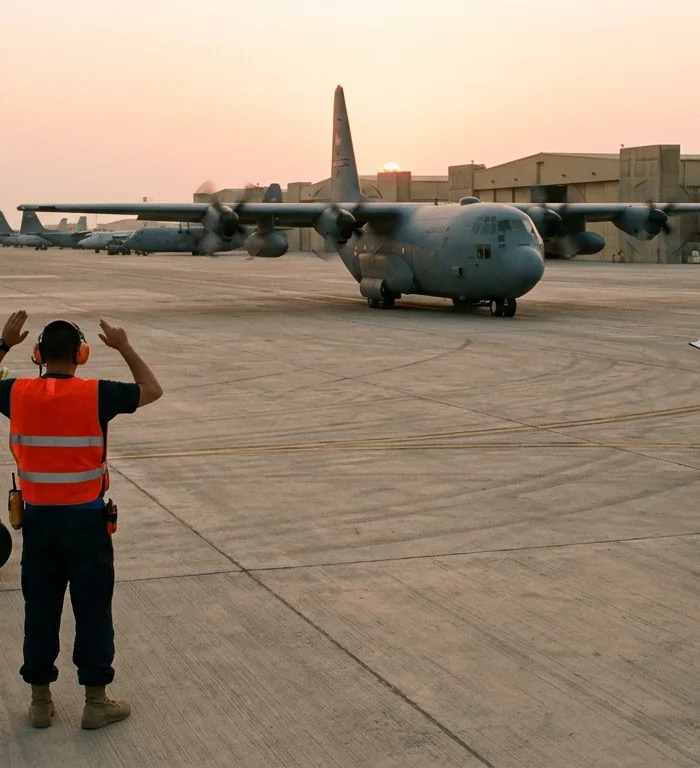
Strategic repositioning of air assets
The U.S. military has relocated aircraft from a second British-operated facility in the region, a move driven by heightened threat assessments concerning potential strikes from Iran-backed proxies. This latest withdrawal follows reports of similar departures from other sites as tensions in the Middle East continue to influence the tactical deployment of Western forces.
Defense analysts suggest that the movement reflects an adjustment in the regional deterrent posture. By diversifying the footprint of its air assets, the U.S. aims to reduce the vulnerability of its logistics hubs to precision-guided ballistic missiles or drone attacks directed at military infrastructure.
CENTCOM logistics and historic reliance
Middle East
U.S. Central Command (CENTCOM) has historically relied on a network of regional bases maintained in cooperation with the United Kingdom to project power across the Levant and the Gulf. These facilities serve as essential staging points for intelligence gathering, surveillance, and rapid response operations across a volatile theater. The operational integrity of these hubs is often governed by complex, multi-layered host-nation agreements. As the frequency of drone and missile activity linked to the Islamic Revolutionary Guard Corps (IRGC) rises, the continued utility of these fixed locations has come under increased scrutiny by both London and Washington. Regional balance and logistical vulnerability The evacuation of these aircraft signals a shift in how Western powers manage logistics in areas prone to sudden escalation. Beyond the immediate operational impact, the potential loss of access to secure runways complicates the maintenance of a persistent air combat presence in critical zones, including near the Strait of Hormuz and the Bab al-Mandab.
If these movements indicate a wider trend of If these movements indicate a wider trend of de-risking, the shift could necessitate a reliance on more mobile, carrier-based deployment strategies. Such a transition carries significant implications for long-term regional alliances and the ability of Western forces to respond effectively to localized maritime or territorial threats.
Monitoring shifts in patrol frequency
The primary metric for gauging the impact of these base adjustments will be the frequency of regional air combat patrols and any formal status updates provided by the U.K. Ministry of Defence or CENTCOM. Observers will be looking to see whether these relocations represent a permanent pivot toward more resilient, decentralized deployment models or a temporary precautionary measure as intelligence assessments evolve.
More stories
- Germans oppose Ukraine aid as poll shows support slipping
- Kim Jong-un receives 10 envoys after constitutional shift
- Ukraine claims Libya strike sinks Russian naval corvette
- COP31 climate talks collapse over fossil fuels and funds
- Russian military faces 1,087 recorded suicides in Ukraine war
- US faces China, Russia in Africa minerals contest
- US pauses Iran military action after 8 months of war
- Philippine DOJ revives Hontiveros cyber libel case against six people
- Singapore sets five-year power buildout for up to 13GW demand
- Lula wins fourth term in Brazil election upset result
Latest news
- Trump prepares tariffs on China and other major exporters
- New-car buyers pay record average $50,087 in October
- Banks face ECB reserve debate over liquidity and profits
- Investors see Anthropic debut gains fade below $83 a share
- Iraq orders federal control over Kurdish-area oilfields
- Nvidia shares retreat as AI rally cools before PCE data
- Macy’s parade faces balloon limits as storm winds approach