US Primaries Put Party Factions on the Ballot Before November
Voters in four states are choosing nominees Tuesday in primaries that will measure Donald Trump’s influence in Republican races and Zohran Mamdani’s ability…
Atlas Newsdesk ·
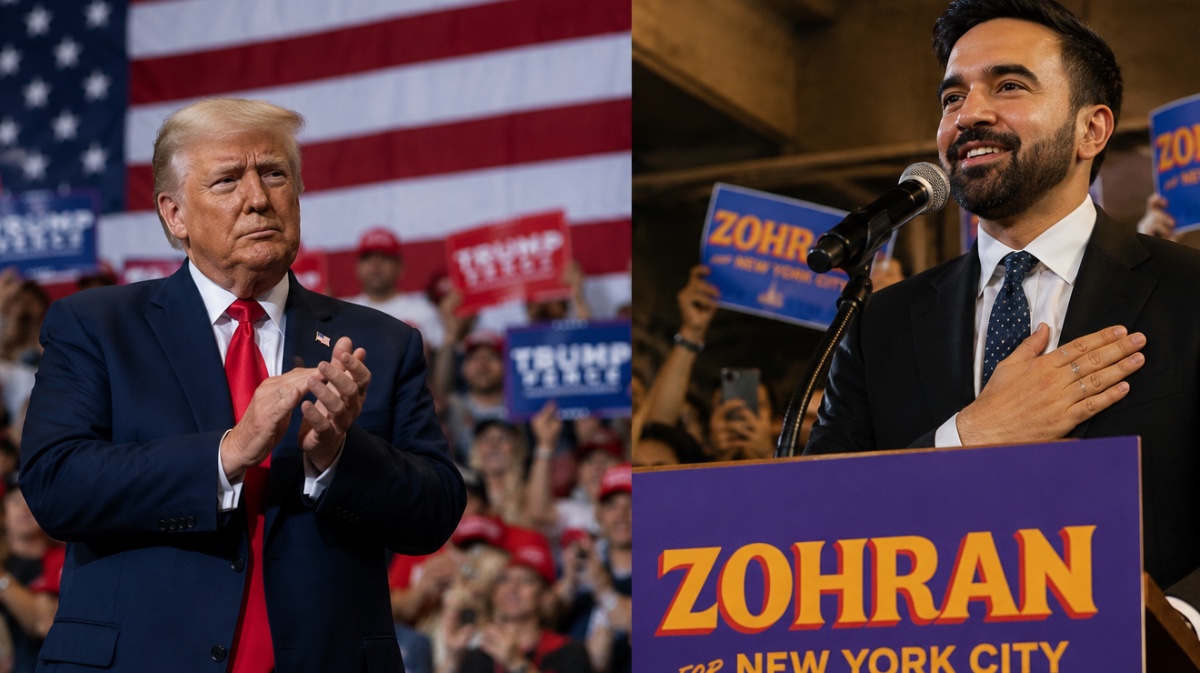
Voters in Maryland, New York, South Carolina and Utah are casting primary ballots Tuesday in contests that will help define both parties’ midterm coalitions before November. The clearest national tests are in South Carolina, where Republicans are choosing a nominee for governor in a runoff, and in New York, where Democratic congressional races have become a proxy fight over Mayor Zohran Mamdani’s political reach. Maryland brings expensive Democratic House primaries near Washington, while Utah’s new congressional map has opened a rare Democratic opportunity in a heavily Republican state. The results will not settle the midterm campaign, but they will show which messages and endorsements can still move voters in a fragmented political environment.
Trump Splits the Runoff
South Carolina’s Republican governor runoff pits Lt. Gov. Pamela Evette against state Attorney General Alan Wilson after neither candidate secured a majority in the June 9 primary. Trump first backed Evette, giving her the most valuable credential in a deep-red Republican electorate, but later praised both finalists and said either would be a strong choice. That shift makes the race less a clean endorsement test than a measure of whether Trump’s early preference still matters when voters know he has softened the contrast. For Republicans watching November, the question is whether Trump can impose order on competitive primaries or whether candidates with their own statewide networks can survive without being his only pick.
Mamdani Tests His Bench
New York’s Democratic primaries give Mamdani a different kind of test: whether a mayor with a democratic socialist brand can influence federal races beyond City Hall. He has backed challengers in several contests, including Darializa Avila Chevalier against Rep. Adriano Espaillat in the 13th District and Brad Lander against Rep. Dan Goldman in the 10th. Espaillat is a five-term incumbent and chairs the Congressional Hispanic Caucus, making that race a direct challenge to party seniority and institutional influence. A strong night for Mamdani’s candidates would expand his role from mayoral insurgent to national progressive power broker; losses would suggest his appeal has limits when voters are choosing members of Congress.
Hoyer’s Seat Draws Money
Maryland’s primaries are less ideological on the surface but carry heavy consequences for House Democrats. In the 5th District, the retirement of longtime Rep. Steny Hoyer has produced a crowded Democratic contest, including state Delegate Adrian Boafo, former Capitol Police officer Harry Dunn, attorney Wala Blegay and businesswoman Quincy Bareebe. The race has drawn major outside spending, with super PAC money helping turn a safe Democratic seat into a high-cost fight over succession, local influence and national donor priorities. Maryland’s 6th District is also competitive, with Rep. April McClain Delaney facing former Rep. David Trone, who has spent heavily from his personal fortune.
Salt Lake’s New Map
Utah offers one of Tuesday’s most structurally important contests because a redrawn congressional map created a Democratic-leaning 1st District centered on Salt Lake City. Former Rep. Ben McAdams, a moderate, is running in a Democratic primary against state Sen. Nate Blouin, who has support from national progressives, along with other candidates including Liban Mohamed and Michael Farrell. The winner is favored in November, a rare opening for Democrats in a state where Republicans usually dominate statewide and congressional politics. Utah’s 3rd District also matters for the GOP, where Trump-backed Rep. Celeste Maloy faces a challenge from former state lawmaker Phil Lyman.
House Math Drives Everything
The common thread across the four states is the House, where small changes in candidate quality, turnout and factional unity can affect the November map. New York has several Democratic contests in districts that are safe or heavily blue, but the state also contains competitive seats that both parties view as central to the battle for control. Maryland’s open-seat fight will help determine what kind of Democrat represents a reliably blue district after Hoyer’s long tenure. Utah’s redistricting fight could give Democrats a new seat, while South Carolina’s governor race will test whether Trump-aligned Republican politics remains the default language of the party in the South.
The Ballot-Count Risk
The main uncertainty is turnout, especially in primaries where the most motivated voters can outweigh broader public opinion. New York’s contests will show whether Mamdani’s endorsement operation can convert attention into votes in district-level races, while South Carolina will reveal whether Trump’s mixed message blunts or broadens his influence. Maryland carries another risk: large outside spending can help candidates break through, but it can also create backlash if voters see national money overwhelming local concerns. Utah may take longer to read cleanly because mail ballots and drop-box voting can stretch the count, meaning early results may not fully capture the final electorate.