Pentagon press for $80B as Iran war costs mount
A Pentagon funding request of about $80 billion is taking shape for Iran war costs, as senators signal skepticism and await a formal White House submission.
Atlas Newsdesk ·
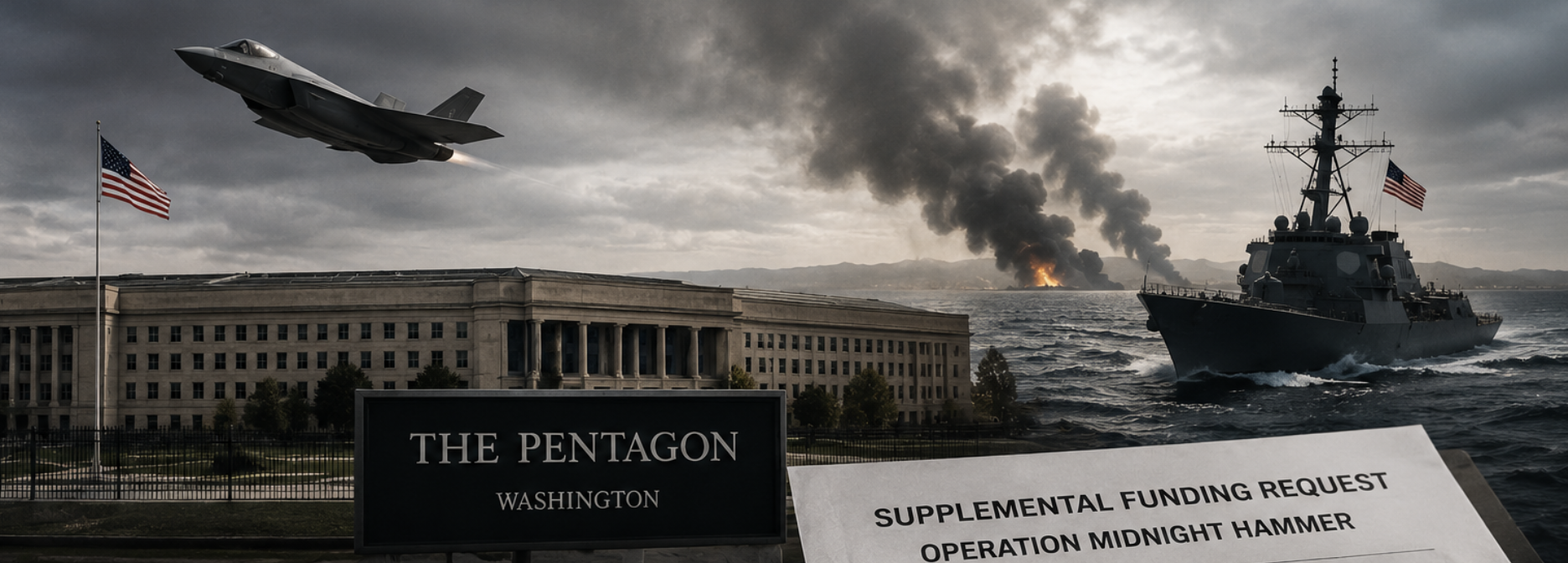
A Pentagon funding request nearing $80 billion is being discussed with senators to cover costs largely tied to the U.S. war against Iran, even as Congress waits for a formal submission.
The White House Office of Management and Budget has not yet transmitted an official supplemental package to Capitol Hill. Still, Pentagon leaders have begun laying groundwork with lawmakers in closed-door conversations, according to people familiar with the matter.
Defense Secretary Pete Hegseth has been meeting with members on Capitol Hill, including during an evening round of discussions on Monday. Separately, a senior deputy defense secretary briefed senators last week about the scale of the anticipated request, those people said.
Supplemental request forms as Iran war spending comes due
The roughly $80 billion figure described to senators is expected to focus primarily on expenses tied to the Iran conflict. Such costs can include operations, troop support, logistics, and replenishment of high-demand weapons stocks used during major combat activity.
Any supplemental request would land in a politically charged environment because lawmakers are still assessing the administration’s agreement with Iran that ended the war. Several senators have signaled they want clarity on what obligations, enforcement mechanisms, or follow-on military requirements may remain.
Senate Majority Leader John Thune, R-S.D., said he expects the administration to send a supplemental request and indicated the Senate will evaluate whether it has the support to advance. He framed the decision as a vote-counting exercise once details arrive.
Scrutiny grows alongside a broader Pentagon budget surge
The potential Iran-related supplemental is unfolding alongside a much larger Pentagon budget push from President Donald Trump. The White House has sought $1.5 trillion in Pentagon funding, which would represent an increase of nearly 50% compared with current fiscal-year levels.
That top-line figure has sharpened questions from lawmakers who want to separate routine defense spending from war-related, time-limited needs. A supplemental for combat costs can move on a different track than annual defense appropriations, but it still requires Congress to approve new spending.
Thune also highlighted concerns about depleted munitions, saying lawmakers need to ensure stockpiles are rebuilt. He linked that imperative not only to the Iran conflict but to earlier demands that have drawn down inventories.
What Congress is likely to demand before approving funds
Until OMB submits a formal request, senators are left with briefings and preliminary figures rather than line-item detail. That increases pressure on defense officials to justify how much of the $80 billion is directly attributable to the Iran war and how much supports longer-term replenishment plans.
Lawmakers typically probe whether supplemental war requests contain items that could be funded through the standard budget process. The scale of the administration’s broader Pentagon proposal could intensify that scrutiny, particularly among members already skeptical of the Iran deal’s durability and the administration’s next steps.
For now, the immediate milestone is the anticipated formal submission from the White House to Congress. Once delivered, the request will face hearings, questions over scope and timing, and an early test of whether leadership can assemble the votes needed to move a high-cost war package.