Senators weigh Justice Department deal tied to Trump taxes
A DOJ deal shielding Donald Trump and his businesses from tax probes is drawing GOP scrutiny, potentially complicating an attorney general confirmation.
Atlas Newsdesk ·
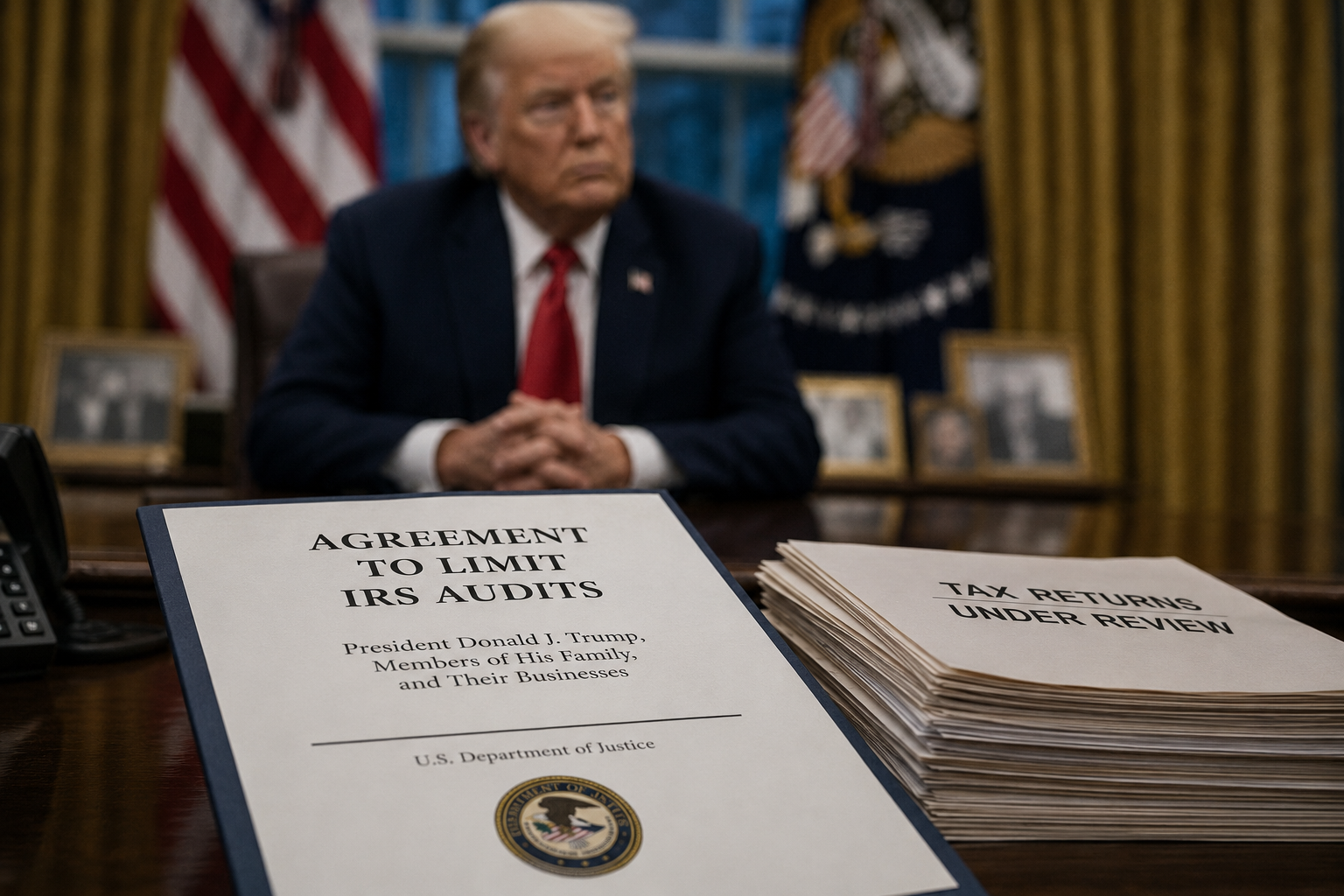
A Justice Department deal that limits scrutiny of President Donald Trump’s past tax filings is facing pushback from Senate Republicans, raising new questions ahead of a high-stakes confirmation hearing.
Lawmakers are seeking details about an audit-related agreement that would protect Trump, his family, and his businesses from investigations tied to prior tax filings. The dispute is now bleeding into the Senate’s consideration of Trump’s choice for attorney general.
Republicans demand clarity before key confirmation vote
Sen. John Cornyn of Texas said he wants a full explanation of the Justice Department deal before the nominee appears before the Senate Judiciary Committee next month. Cornyn said Todd Blanche has promised to brief him, and the senator indicated he is not ready to support the nomination without answers.
Cornyn’s comments put the agreement on a collision course with the confirmation process, where margins can tighten quickly if even a small bloc withholds support. The Judiciary Committee hearing is expected to be a central moment for assessing both the nominee’s approach to oversight and the department’s independence.
Other Republicans have also voiced discomfort. Sen. Lisa Murkowski of Alaska said she does not like the arrangement and has asked for additional information.
Audit immunity surfaced alongside abandoned compensation plan
The agreement became public alongside an administration proposal to create a $1.8 billion fund to compensate people who alleged they were unfairly prosecuted by the federal government. The contemplated beneficiaries included individuals convicted in connection with the Capitol riot.
Since then, the Trump administration has stepped back from the compensation plan. However, it has not reversed the audit immunity component that shields Trump-related entities from additional probing of prior filings.
The pairing of the two initiatives has amplified scrutiny, with senators now examining whether the Justice Department deal reflects a broader posture toward politically sensitive cases. For lawmakers focused on checks and balances, the unresolved question is how the arrangement was structured, who authorized it, and what constraints it places on future reviews.
Oversight tensions test GOP unity on the Justice Department
Republicans have frequently argued that the Justice Department must apply the law evenly and avoid political favoritism. In this case, some GOP senators are signaling that they want documentary detail and a clear rationale to reconcile the agreement with those principles.
Confirmation fights often revolve around ideology and past statements, but this dispute is more procedural: whether Congress can obtain enough transparency to evaluate a department decision affecting the president’s private interests. Cornyn’s position suggests that at least some Senate Republicans may use their leverage to force disclosures before moving forward.
The immediate next step is the promised briefing to Cornyn and any additional information requests from other senators, including Murkowski. The outcome could determine whether the nominee enters the hearing with unresolved controversy or with an explanation that satisfies skeptical Republicans.
If the administration maintains the audit immunity while seeking Senate approval for its Justice Department leadership, lawmakers are likely to press for specifics on the agreement’s scope, enforcement, and duration. Those answers will shape how aggressively the Senate conducts oversight of the department in the months ahead.