AI data centers hit Utah GOP primary as Stratos looms
AI data centers are shaping a Utah House primary, with challenger Karianne Lisonbee attacking a proposed 20,000-acre Stratos project as Rep.
Lauren Collins ·
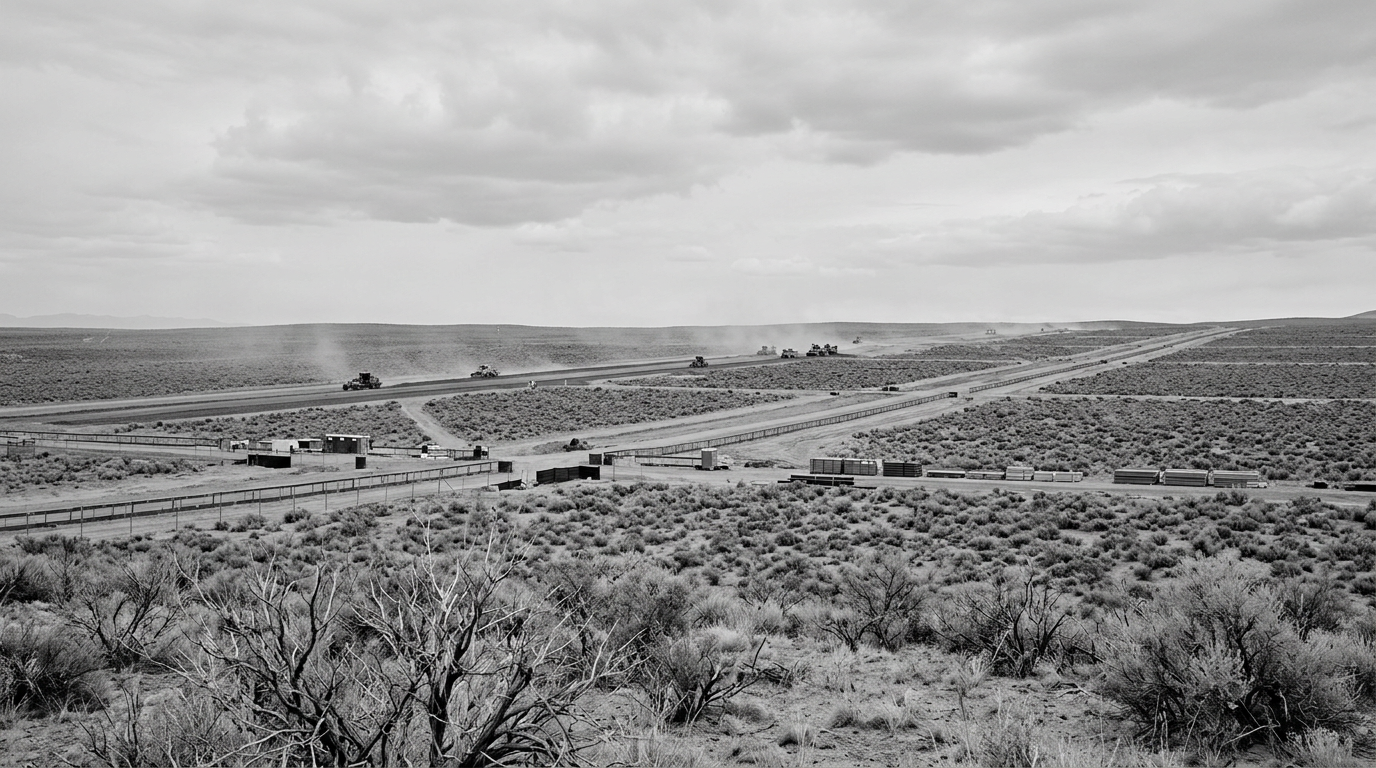
AI data centers are intruding on a Utah House primary, turning a local land-use fight into a proxy for a national Republican argument about tech and power.
In Utah, the immediate flashpoint is a proposed Stratos data center development spanning roughly 20,000 acres. The politics are landing in Tuesday’s GOP primary, where incumbent Rep. Blake Moore is expected to beat state legislator Karianne Lisonbee.
A local megaproject collides with a federal race
Lisonbee has used the final stretch of the campaign to brand herself as an opponent of the Stratos project. She has argued that “most voters will align” with her against the plan.
Moore has not embraced the project or condemned it. Instead, he has emphasized the need for deeper engagement with local stakeholders, while avoiding a definitive position on the development itself.
The race has a clear power imbalance. Moore is widely viewed as the favorite, and he carries an endorsement from former President Donald Trump.
But the late focus on a data center project shows why the issue is becoming a live wire inside the GOP. Once framed as straight economic development—jobs, construction, tax base—large-scale computing facilities are now triggering backlash tied to water, energy, land use, and distrust of “AI” as a cultural symbol.
Republicans face cross-pressures on growth and AI
Polling summarized in the reporting points to a partisan gap: Democrats are more likely than Republicans to be strong critics of data centers. That top-line pattern has not prevented the issue from splitting Republican coalitions in specific places.
The internal tension is familiar. One wing of the party defaults to pro-growth and pro-business instincts, especially when projects promise capital investment and local revenue.
Another strain—more populist, more suspicious of large institutions—has increasingly treated AI as a threat. That bloc is less inclined to give mega-developments the benefit of the doubt, even when they come wrapped in “innovation” language.
The Stratos proposal, at 20,000 acres, is also the kind of scale that amplifies every concern. Bigger footprints mean more visible tradeoffs, more neighbors who feel affected, and more opportunities for candidates to turn process questions into trust questions.
What the Utah contest signals for 2026 fights
The Moore–Lisonbee matchup illustrates how data center politics can enter a campaign even when neither candidate is running on national AI policy. Candidates can stay on offense by narrowing the argument to local impacts—who benefits, who pays, and who gets heard.
For incumbents, the risk is being pulled into a binary posture: “pro” or “anti” development. Moore’s approach—calling for engagement without staking out a hard line—reads as an attempt to keep pro-business allies close while not alienating voters alarmed by the project’s size.
For challengers, the opening is straightforward: attack a high-visibility project and dare the incumbent to pick a side. Lisonbee’s bet is that opposition to the Stratos plan can override the normal primary advantages of incumbency and endorsements.
Tuesday’s result will not settle the party’s broader debate. But it will offer a clean test of whether opposition to AI-linked infrastructure can move Republican primary voters in a race where the incumbent has Trump’s backing and is still favored.
Next steps are immediate and practical. Watch whether candidates in other districts start treating large data center proposals as campaign issues, and whether Republican officeholders respond with clearer standards for local consultation, permitting, and community benefits—before the next megaproject becomes the next primary cudgel.