

US military posture shifts as regional powers weigh Iran conflict risks
Gulf nations are recalibrating diplomatic and economic strategies following reports of increased US troop readiness and private communication regarding Iran.
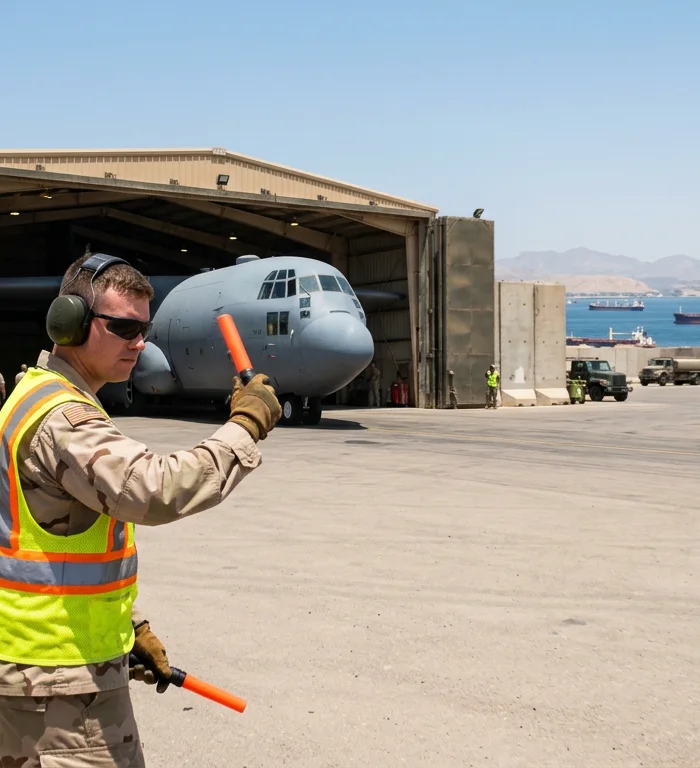
Force posture adjustments
President Trump has initiated private diplomatic outreach to regional allies, even as US military commands in the Middle East ramp up readiness for potential offensive operations against Iranian targets. The preparations involve the staging of additional fighter jets and heavy bombers, alongside the replenishment of munitions at key regional bases, according to reports of troop deployments and logistics updates.
These movements represent a hardening of the US regional stance, aimed at testing the strategic deterrent against Iran's conventional and proxy-based capabilities. The message to Gulf allies centers on clarifying US intent while seeking to minimize the risk of uncoordinated responses should a kinetic exchange commence.
Historical infrastructure vulnerabilities
The prospect of an escalation places the Gulf Cooperation Council (GCC) states in a difficult position, as their economic infrastructure remains historically sensitive to regional conflict. Previous incidents, including the 2019 attacks on Saudi Aramco facilities and sustained drone threats against desalination plants, serve as a reminder of the vulnerability of critical assets to Iranian-aligned asymmetric strikes.
These concerns are amplified by the fragile nature of the regional diplomatic rapprochement that has characterized the last 24 months. Initiatives like the Saudi-Iranian deal mediated by China have been central to regional stability, and any return to active military confrontation threatens to undo the progress made in de-escalation efforts.
Market and security implications
For global energy markets and regional capital centers, the risk of a war premium remains high. Current Gulf market valuations and active IPO pipelines are predicated on regional stability; any disruption to the Strait of Hormuz, through which approximately 20% of the world's daily oil consumption passes, would trigger immediate volatility in global energy prices and equity markets.
Security planners across the GCC are now weighing the long-term benefit of a degraded Iranian military capability against the short-term catastrophe of retaliatory strikes on their own soil. This creates a reliance on back-channel communication to seek guarantees that the US will insulate these states from Iranian backlash should host-nation support be required for US maneuvers.
Outlook and monitoring
The central variable for the coming month is whether the GCC Secretariat or individual member states issue formal declarations of security neutrality. Observers should monitor diplomatic channels for signs that Gulf capitals have secured non-participation agreements with Washington. If such assurances are absent by June 1, 2025, the risk of an Iranian 'axis of resistance' blockade of regional shipping lanes will increase significantly, rendering current economic stability efforts obsolete.
More stories
- Germans oppose Ukraine aid as poll shows support slipping
- Kim Jong-un receives 10 envoys after constitutional shift
- Ukraine claims Libya strike sinks Russian naval corvette
- COP31 climate talks collapse over fossil fuels and funds
- Russian military faces 1,087 recorded suicides in Ukraine war
- US faces China, Russia in Africa minerals contest
- Spain reports at least 30 dead in high-speed train crash
- Villa Vie disembarks 203 passengers in Cambodia over fuel costs
- Kosovo elects president in deal to avert early elections
- Beijing eyes WHO leadership as six rivals go public first
Latest news
- Trump prepares tariffs on China and other major exporters
- New-car buyers pay record average $50,087 in October
- Banks face ECB reserve debate over liquidity and profits
- Investors see Anthropic debut gains fade below $83 a share
- Iraq orders federal control over Kurdish-area oilfields
- Nvidia shares retreat as AI rally cools before PCE data
- Macy’s parade faces balloon limits as storm winds approach