Kosovo elects president in deal to avert early elections
Kosovo lawmakers elected Justina Shiroka-Pula as president under an agreement that averts another early election and seeks changes to war crimes sentencing.
Claire Dubois ·
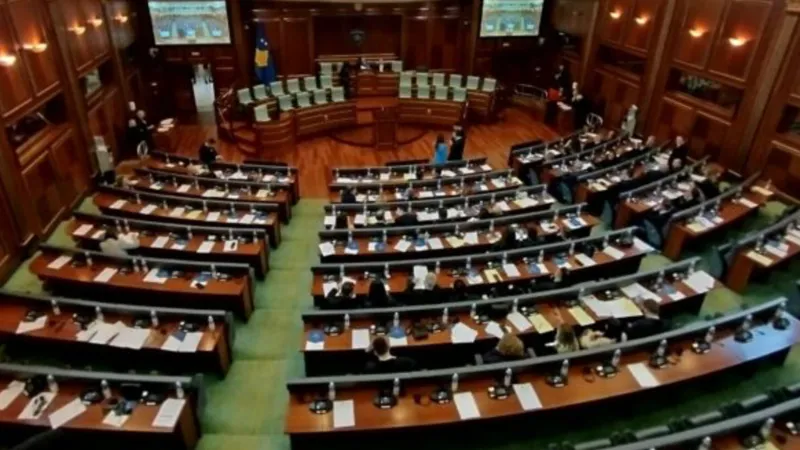
Kosovo lawmakers elected Justina Shiroka-Pula as president under a deal that averts another early election and seeks war crimes court changes.
The October 6 agreement between Prime Minister Albin Kurti and the largest opposition party ended a presidential impasse. Without a settlement, Kosovo faced an election that would have brought its total to four within a period shorter than two years.
The bargain linked the presidential choice to proposed restrictions on the Specialist Chambers, which handles prosecutions arising from the Kosovo war. It therefore settled the immediate electoral dispute while opening a separate question about sentencing and the treatment of people convicted by the court.
Shiroka-Pula bridges the presidential divide
Shiroka-Pula emerged late in the negotiations as a candidate acceptable to both sides. An economist, she leads Kosovo’s Academy of Sciences and Arts and became the compromise choice after the dispute had put another parliamentary contest within reach.
Kurti and the opposition secured an agreement on the presidency alongside the court provisions, rather than resolving the presidential selection alone. That distinction matters: agreement on who holds office does not, by itself, establish whether the proposed judicial changes can take effect.
Lawmakers seek a sentencing ceiling
The parliamentary measures seek a 15-year ceiling for prison terms imposed by the Specialist Chambers. They also provide for imprisonment within Kosovo and access to pardons granted by the president, extending the proposed changes beyond the length of sentences.
The ceiling would sit below the longest punishment in the court’s September 16 verdict against Hashim Thaci, a former Kosovo president, and three other former Kosovo Liberation Army leaders. The court sentenced the four to terms ranging from 13 to 25 years for war crimes.
All four intend to challenge their convictions through appeals. Whether the parliamentary measures would alter those existing sentences is a separate legal question; the political agreement alone does not establish that the defendants will receive shorter terms, serve them in Kosovo or obtain pardons.
War verdicts shape the political bargain
The Specialist Chambers was established in 2015 to hear cases involving crimes associated with the Kosovo Liberation Army during the 1998–99 conflict with Serbia and its aftermath. Its remit places wartime conduct at the center of a legal process that remains politically contested.
Weeks of demonstrations followed the September verdict, alongside renewed resistance to the court. The subsequent parliamentary push addresses both punishment and presidential authority, connecting the choice of a new head of state with the proposed power to pardon those convicted.
If the restrictions take effect and apply to existing convictions, their scope would become central to the defendants’ sentences and the presidency’s role in granting relief. If they do not, the presidential settlement would still avert the immediate election threat without necessarily changing the court’s judgments.
The next substantive tests are the defendants’ planned appeals and the legal status of the parliamentary measures. Their implementation, reach and relationship to existing sentences remain unresolved, even after the agreement on Shiroka-Pula ended the immediate presidential deadlock.