U.S. dollar rises as oil jump lifts Fed hike bets Monday
The U.S. dollar rose 0.6% as Brent crude reached $108, FedWatch showed 90% hike odds and investors cut risk exposure.
Atlas Newsdesk ·
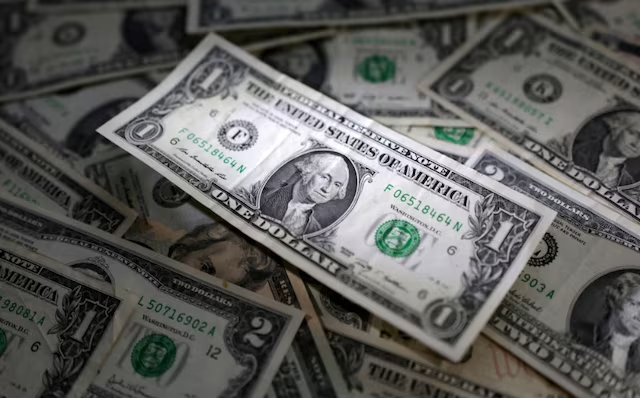
The U.S. dollar index rose 0.6% Monday as oil near $108 and Fed hike bets pulled investors toward safer assets across currencies.
The index earlier touched 99.648, its highest level since September 2, against a basket of six major peers. The euro slid to $1.153, a one-month low, and later traded 0.5% lower; sterling also fell 0.5% to $1.3474.
Brent crude climbed 3% on the session to $108 a barrel after attacks in the Gulf region added pressure to energy markets. Bond yields moved back toward multi-year highs as traders assessed whether higher fuel costs would keep inflation above central bank targets.
Oil at $108 resets pricing
Houthi strikes on Saudi Arabia, the world's largest oil exporter, came after the kingdom shut its main pipeline for bypassing the Strait of Hormuz. The sequence added to supply concerns already visible in crude prices and shipping risk in the region.
A planned meeting between Tehran and other Gulf governments was postponed, weakening hopes for near-term diplomatic containment. Attacks on ships in the area added another channel for energy disruption, with investors shifting toward the dollar after those developments.
Currency strategist Francesco Pesole at ING linked the move to the combined pressure from the Gulf and technology sector headlines. "Gulf developments remain concerning, and some AI-related headlines are further weighing on equities — an environment where the dollar should remain supported," Pesole said.
FedWatch odds move to 90%
The central bank focus is Wednesday's Federal Reserve decision, with traders pricing a roughly 90% chance of a rate increase, according to CME Group's FedWatch tool. That was up from about 60% a week earlier, a large shift in expectations before the meeting.
The repricing followed a jump in energy costs that pushed diesel to record highs and helped lift underlying inflation by more than expected in August. Lee Hardman, senior currency analyst at MUFG, said the dollar's start to the week was encouraged by expectations that the Fed would begin tightening policy.
The dollar's support is still conditional on how the Fed frames any move. Scotiabank analysts led by Shaun Osborne wrote that no change would be negative for the currency, while a rate increase without a clear signal of further action would also likely weigh on the dollar.
Yen weakens before BOJ decision
The dollar rose 0.9% against the yen to 154.88, reversing part of the yen's recent advance after the Japanese currency traded below 153 last week. That earlier level was close to a seven-month high for the yen, supported by rising expectations for Bank of Japan rate increases.
Markets were described as nearly certain that the Bank of Japan will raise rates on Friday. Traders will look for guidance on whether officials see room for additional increases, after speculative positioning turned net long yen for the first time since February.
Rate expectations are also moving elsewhere. The Bank of England is expected to hold borrowing costs on Thursday, but traders now price a rate increase later this year and more in 2027 after the European Central Bank raised rates last week.
Two paths for the dollar
If oil remains near $108 and the Fed delivers a rate increase with guidance pointing to more tightening, the dollar would have a clearer yield channel for support. That path would tighten global financial conditions, increase pressure on importers with dollar debts and keep currency traders focused on policy divergence.
If the Fed holds rates steady, or raises them while avoiding a commitment to more moves, the dollar's rally would depend more heavily on energy risk and equity weakness. For the Fed, that would preserve flexibility; for banks, exporters and commodity-linked currencies, it would shift attention back to inflation data and Gulf supply lines.
Bitcoin edged up 0.6% to $77,805, its second straight session of gains, offering a limited counterpoint to broader risk caution. The next test for markets is whether central banks validate the week's pricing or leave traders to unwind part of Monday's dollar move.