UK and Germany Launch Long-Range Missile Development Program
The UK and Germany have initiated a joint project to develop missiles with a 2,000-kilometer range, aiming to bolster European defense capabilities by the…
Lauren Collins ·
Strategic Defense Collaboration
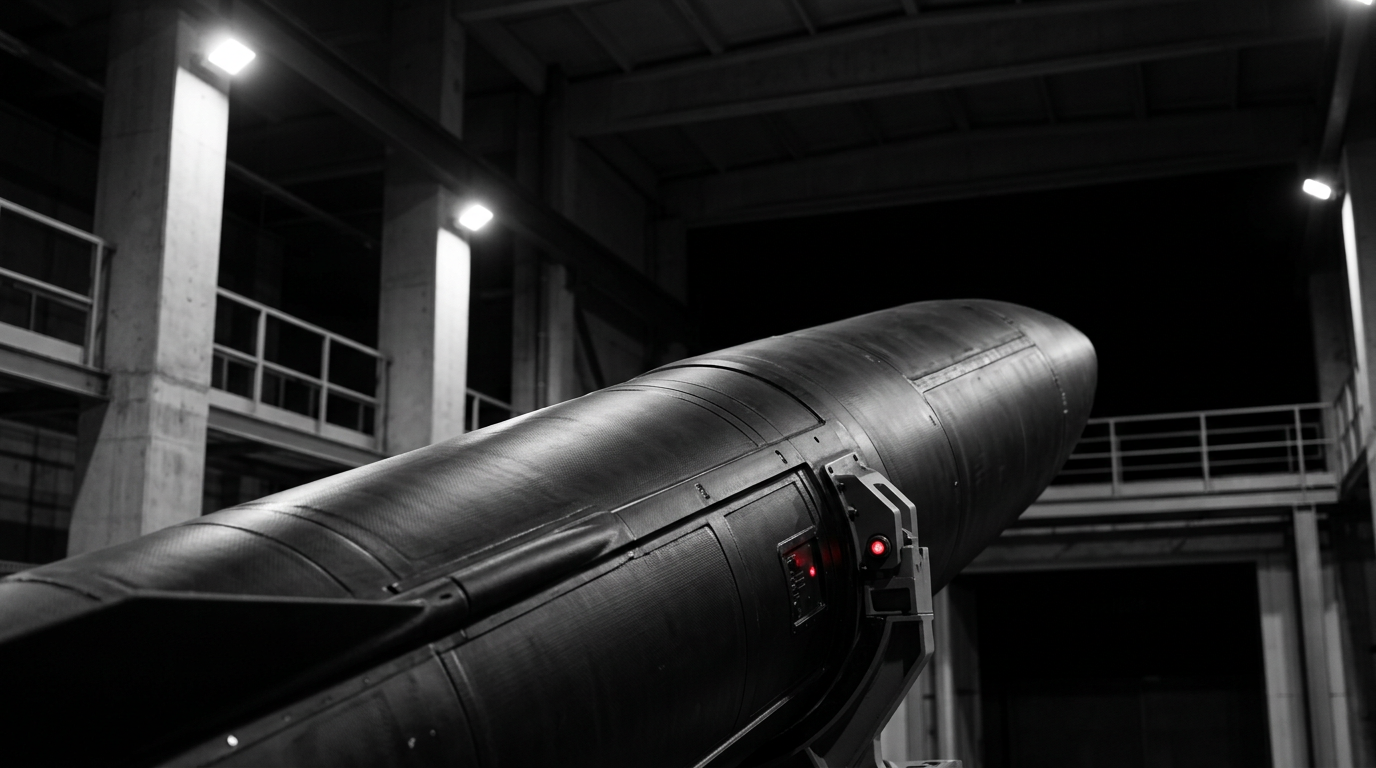
The United Kingdom and Germany have officially commenced a collaborative initiative to engineer advanced long-range strike systems. This project, rooted in the Trinity House Defense Agreement, seeks to enhance precision strike capabilities across the European continent. By developing these systems, the two nations aim to reduce reliance on external military assets, specifically those provided by the United States.
Technical Scope and Funding
Engineers are currently evaluating designs for stealth cruise missiles and hypersonic glide vehicles. To support the initial phase of development, the British government has committed 770 million pounds in funding over the coming years. These resources are intended to facilitate the foundational research and development required for such complex weaponry.
Deployment and Integration Plans
Current projections indicate that these missile systems could enter operational service during the 2030s. Planners intend to deploy the weapons from land-based platforms initially. Future iterations of the program may involve adapting the technology for integration into naval vessels and aerial platforms.
Broader European Security Context
This bilateral effort functions as a component of a larger 50-billion-dollar defense investment strategy involving 12 European nations. While the specific architecture and final design of the missiles remain subject to ongoing technical assessments, the project highlights a growing trend toward regional defense industrial cooperation. A primary uncertainty remains the final configuration of the hardware, as industrial partnerships and feasibility studies are still in progress.