US-Iran de-escalation deal pauses strikes ahead of Doha
A US-Iran de-escalation deal is set to pause strikes as negotiators return to Doha this week to focus on reopening the Strait of Hormuz.
Lauren Collins ·
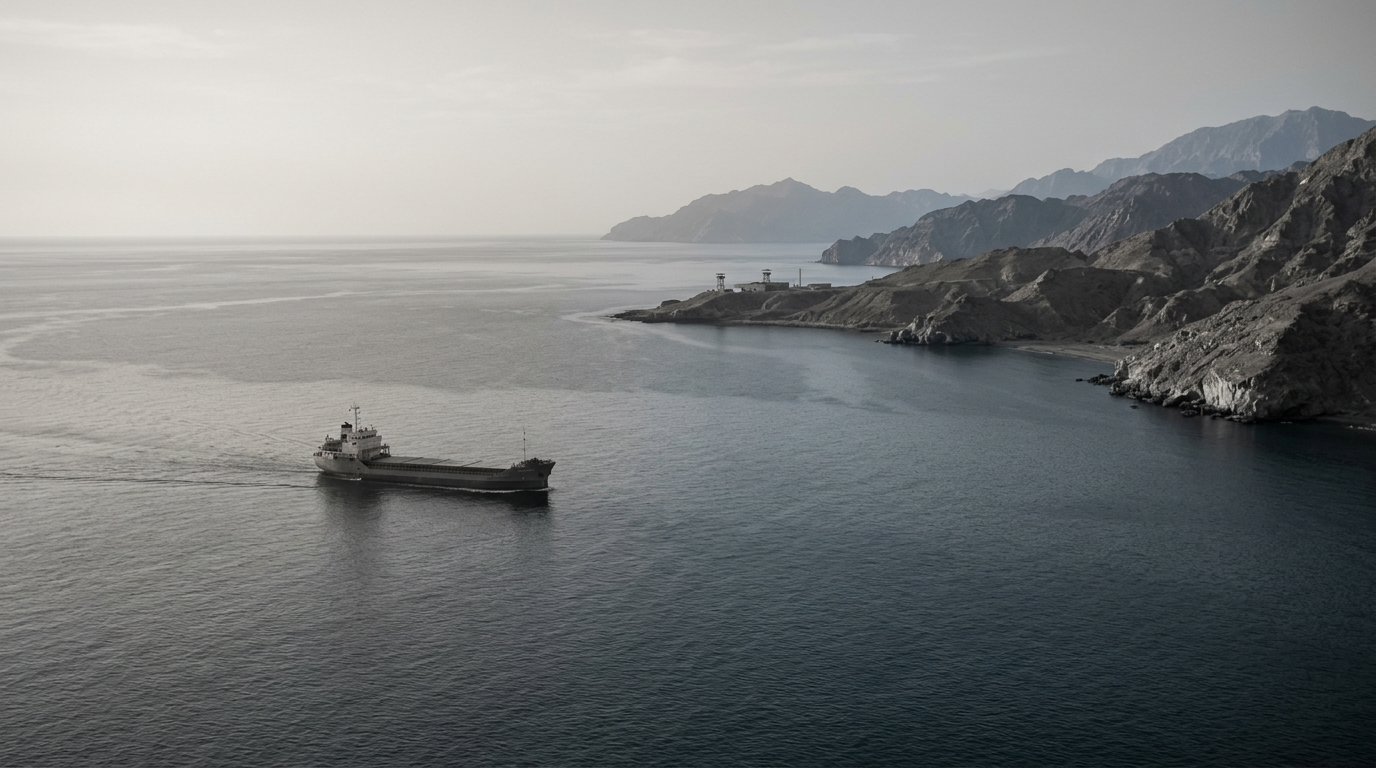
A US-Iran de-escalation deal is set to pause strikes as negotiators return to Doha this week to focus on reopening the Strait of Hormuz.
The understanding, reported by Axios, comes after several days of maritime attacks and retaliatory US strikes that strained an already delicate ceasefire framework agreed earlier this month. Officials cited by the outlet said both sides committed to halting attacks while discussions continue.
The change in posture signals an attempt to prevent further disruption along one of the world’s most important energy corridors. The Strait of Hormuz carries roughly a fifth of global oil and gas flows, making security there a central concern for energy markets and regional governments.
Maritime attacks tested the interim truce
The recent escalation began on Thursday when Iran struck a container ship, Axios reported. The following day, the United States responded with strikes against Iran, marking the first US retaliation in the sequence.
Hostilities continued into the weekend. Axios reported the US carried out another strike overnight Saturday after Tehran attacked a vessel transporting Qatari oil.
Both governments accused the other of breaking the ceasefire, underscoring how quickly incidents at sea can unravel diplomatic progress. The tit-for-tat cycle also highlighted the challenge of enforcing any interim arrangement without clear mechanisms to adjudicate alleged violations.
Doha talks shift from nuclear technicalities to shipping lanes
Negotiations on the interim US-Iran peace deal are expected to resume this week in Doha, according to Axios. The discussions had previously centered on technical issues tied to the future of Iran’s nuclear program, but the agenda is now expected to prioritize the Strait of Hormuz.
US officials told Axios that the objective is to keep vessels moving freely while talks proceed. Restoring maritime traffic through the strait to prewar levels has become a near-term benchmark of whether de-escalation can hold.
The reorientation of talks reflects the immediate economic stakes of shipping security compared with longer-horizon nuclear negotiations. Even limited attacks on commercial vessels can lift insurance costs, alter shipping schedules, and push cargo owners to seek longer routes, effects that can ripple into energy pricing.
Why Hormuz stability matters for the broader war endgame
The latest incidents occurred after an interim peace deal reached earlier this month, which was intended to lower tensions and create space for broader negotiations to end the war. The new stand-down commitment is presented as a practical step to keep diplomacy alive after the ceasefire was repeatedly tested.
The Strait of Hormuz is a narrow chokepoint linking Gulf producers to global buyers, and it is particularly sensitive to sudden disruptions. The report’s reference to shipments involving Qatari oil underscores that attacks can draw in the economic interests of third countries, increasing pressure for rapid stabilization.
If the pause in strikes holds, the Doha talks could become a venue for hammering out operational rules aimed at preventing new incidents, such as clearer understandings about maritime conduct and what constitutes a breach. Any sustained reduction in attacks would also serve as a signal that the interim agreement can translate into on-the-water security rather than only written commitments.
Next steps will hinge on whether vessels transit without interference as negotiators meet, and whether both sides refrain from retaliatory action in response to fresh allegations. The immediate test for the US-Iran de-escalation deal will be maintaining shipping flows through the strait while diplomatic talks remain underway.