Iran claims sole traffic authority over Strait of Hormuz
Strait of Hormuz tensions rose after Iran said a Trump peace deal grants it exclusive authority over traffic, warning bypass efforts could spark new strikes.
Lauren Collins ·
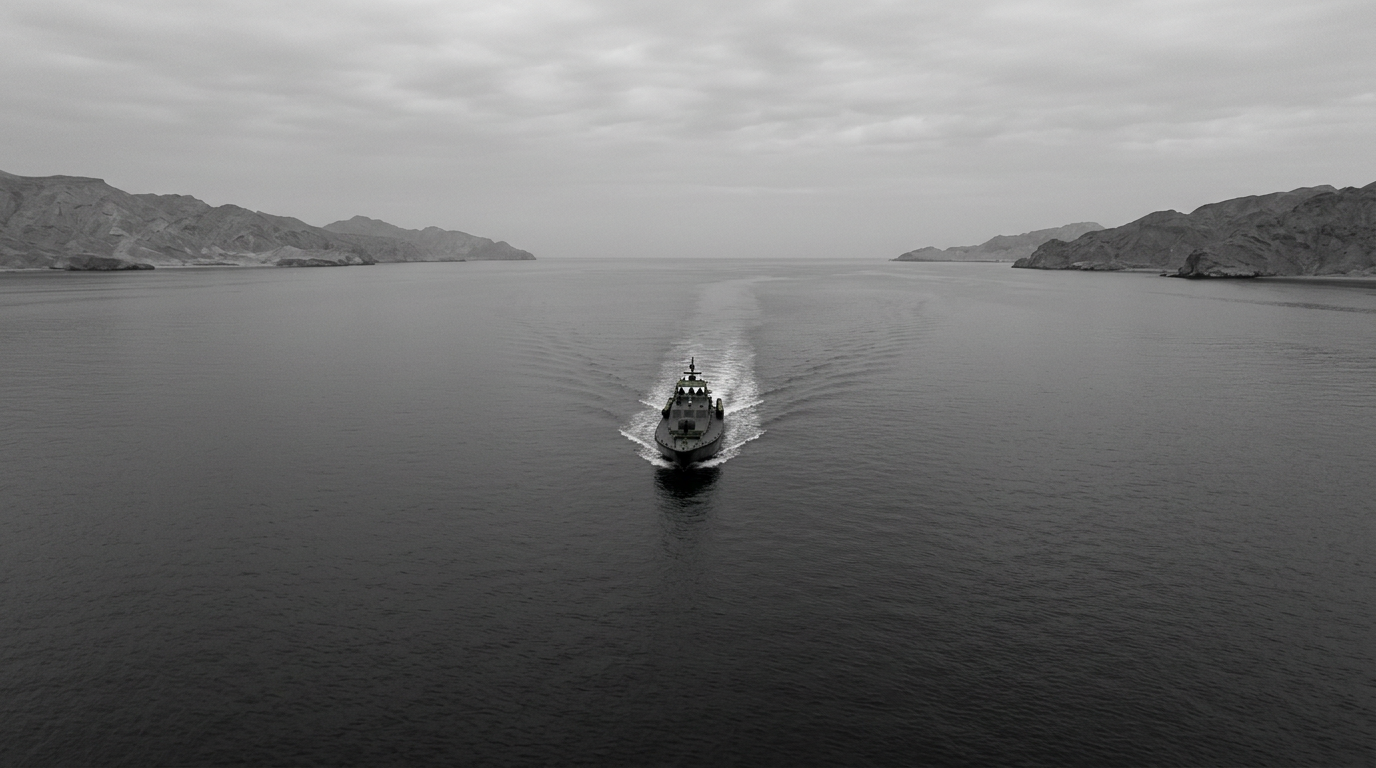
Strait of Hormuz tensions rose after Iran said a Trump peace deal grants it exclusive authority over traffic, warning bypass efforts could spark new strikes.
Foreign Minister Abbas Araghchi made the remarks on Sunday, describing Iran as the sole party responsible for managing and fully restoring maritime movement through the waterway. He said attempts to route around Iran’s direction could invite further attacks similar to those seen in recent days.
The statement marks one of Tehran’s most explicit claims that the preliminary agreement signed with President Donald Trump gives Iran exclusive operational control in the strait. US officials have argued the arrangement does not hand Iran control and that passage should remain uninterrupted through the international waterway.
Competing interpretations of a preliminary Trump deal
At the center of the dispute is how the initial deal should be applied in practice as traffic resumes. Tehran is presenting the accord as recognition of Iranian authority to set routes and manage compliance during the reopening.
Araghchi, speaking via state media, said responsibility for “management” and “full restoration” of shipping lies with Iran alone. He added that no other country or organization has authority over the strait’s maritime traffic.
Washington’s position, according to the competing account referenced by officials, is that the agreement is aimed at stabilizing transit without granting Iran a veto over international navigation. The Strait of Hormuz is widely treated as a critical global chokepoint, and any perception that one state can restrict movement tends to trigger political and commercial backlash.
Strikes, routing disputes, and heightened shipping risk
The diplomatic disagreement comes after several days of reciprocal strikes between Iran and the United States. The latest escalation began after Iran attacked a vessel attempting to cross the strait along a path close to Oman’s coastline.
Iran has sought to steer ships away from that Omani-adjacent route and toward a lane that tracks closer to Iran’s coastline. Tehran had issued warnings to shipping against using the alternative passage, framing the issue as compliance with its direction during the reopening.
Analysts say the practical question of routing is tied to leverage rather than only safety management. Ali Vaez, Iran project director at the International Crisis Group, said Iran has little incentive to see its influence diluted “with every ship rerouted through Omani waters.”
The flare-up has unsettled shipowners and introduced fresh doubt into early efforts to restart normal traffic flows. With commercial operators weighing risk, any ambiguity about who sets the rules—and what enforcement looks like—can quickly translate into higher costs, delayed voyages, or decisions to avoid the area.
Diplomatic timeline disrupted as second-phase talks await
The reopening of the Strait of Hormuz is a central deliverable of Trump’s preliminary agreement, and the recent violence threatens that near-term objective. The deal, as described by people familiar with the talks, postpones more divisive matters for a later stage, including Iran’s nuclear program.
Negotiations were expected to pick up again this weekend in Switzerland, but those plans have been delayed amid the fighting, according to people familiar with the matter. The pause underscores how quickly maritime security incidents can spill over into broader diplomacy.
In the near term, the key test will be whether a workable operating arrangement can be established that reduces the risk of miscalculation at sea. Without clarity on routing expectations and enforcement boundaries, further confrontations could jeopardize the deal’s initial goal of stabilizing transit through the Strait of Hormuz.