US-Iran agreement faces new strain after weekend strikes
The US-Iran agreement is under renewed pressure after weekend missile and drone fire, fresh threats from both sides, and rising shipping risks in the Strait…
Lauren Collins ·
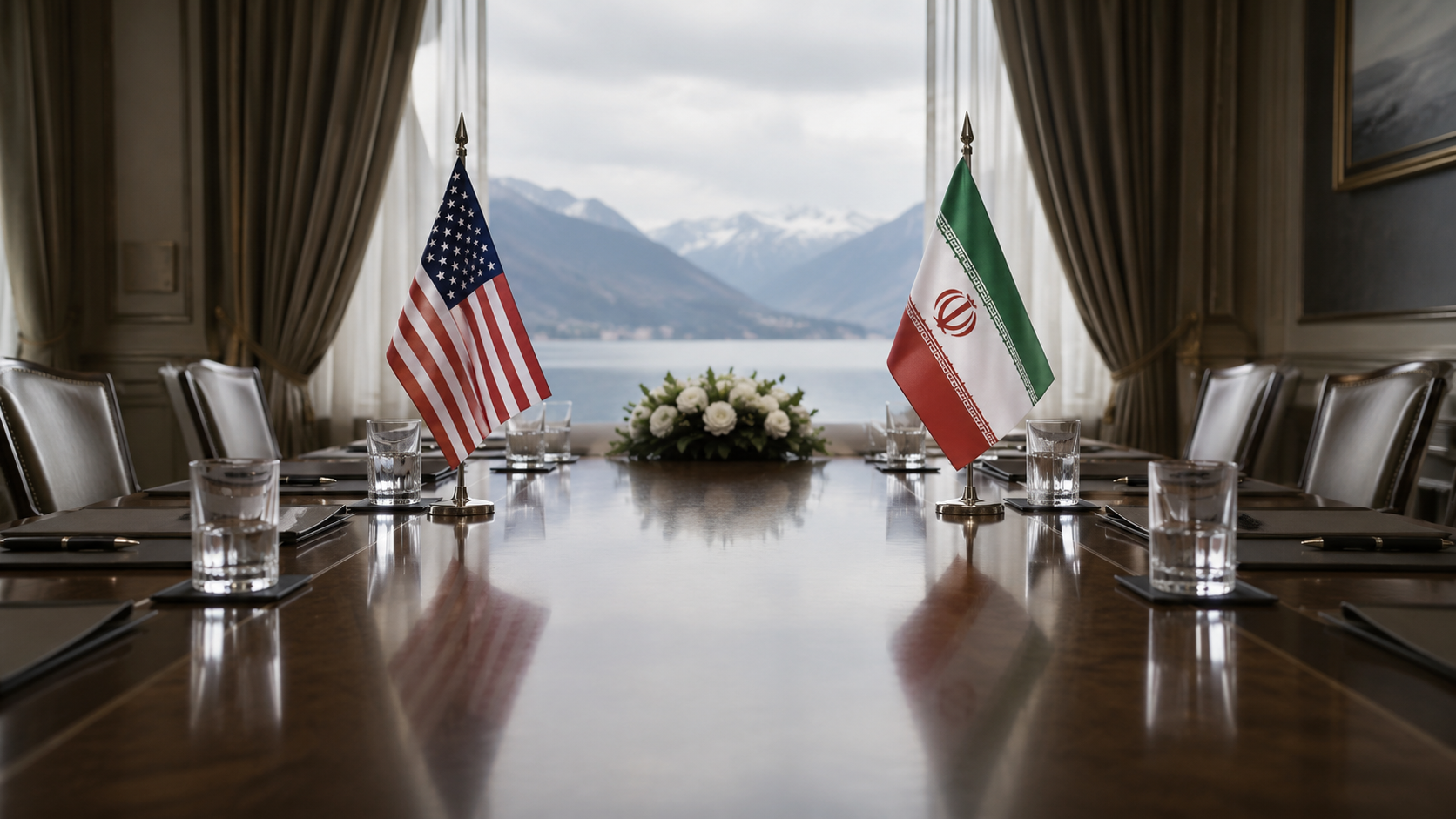
The US-Iran agreement is under renewed pressure after Iran launched a late-Saturday wave of drones and missiles and Washington warned of further action.
A US official said the projectiles did not reach their intended targets. Tehran said it aimed at US military installations in Gulf countries in response to US strikes on Iranian sites.
Weekend exchange raises risk of wider escalation
The latest round of fire is testing a fragile interim arrangement between Washington and Tehran. Public statements from both capitals suggested little appetite for stepping back in the near term.
US President Donald Trump warned that additional military measures could follow if Iranian attacks continue. On the Iranian side, the Islamic Revolutionary Guard Corps (IRGC) said any violation of a ceasefire would trigger consequences, including what it described as a “complete halt” to diplomatic processes.
While details of the interim understanding were not provided, the exchange highlights how quickly limited strike activity can put diplomatic channels at risk. Even when munitions fail to hit targets, the political signal—and the chance of miscalculation—can be enough to harden positions.
Strait of Hormuz shipping picture remains unsettled
The interim US-Iran agreement is also not easing uncertainty in the Strait of Hormuz, a critical maritime chokepoint for global energy and trade flows. Commercial shipping operators and crews are facing what was described as confusion and elevated danger.
The disconnect between diplomatic messaging and operational conditions at sea can amplify risk for civilian vessels. When threats rise, insurers, shipowners, and port operators often adjust routing, staffing, and security procedures, raising costs and complicating schedules.
Even without a formal change in transit rules, ambiguity can be destabilizing in a narrow waterway where military activity and commercial traffic operate in close proximity. Any incident involving a merchant ship could rapidly become a political flashpoint.
Lebanon becomes a sticking point in broader talks
Regional dynamics are also feeding into the negotiations. Iran said a comprehensive deal with the United States would need to include a full withdrawal of Israeli forces from Lebanon.
That demand comes as fighting with Hezbollah adds strain to already fragile peace efforts. The Lebanon front raises the stakes by connecting US-Iran diplomacy to Israel’s security posture and to armed groups aligned with Tehran.
The linkage increases the number of issues that would need to be resolved at once, making de-escalation harder to sequence. It also creates more potential triggers—on multiple borders—that could derail diplomatic progress even if Washington and Tehran attempt to stabilize their direct confrontation.
Next steps are likely to hinge on whether either side pauses further strikes and whether military signaling in Gulf waters becomes more predictable. Observers will also watch for any indication that the interim US-Iran agreement can be translated into concrete safety measures for commercial shipping and into clearer terms for handling regional flashpoints such as Lebanon.