Rubio signals US-India trade deal and Trump India visit
US-India trade deal negotiations are nearing completion, says Secretary of State Marco Rubio, as Washington plans President Trump’s trip next year.
Mei Lin ·
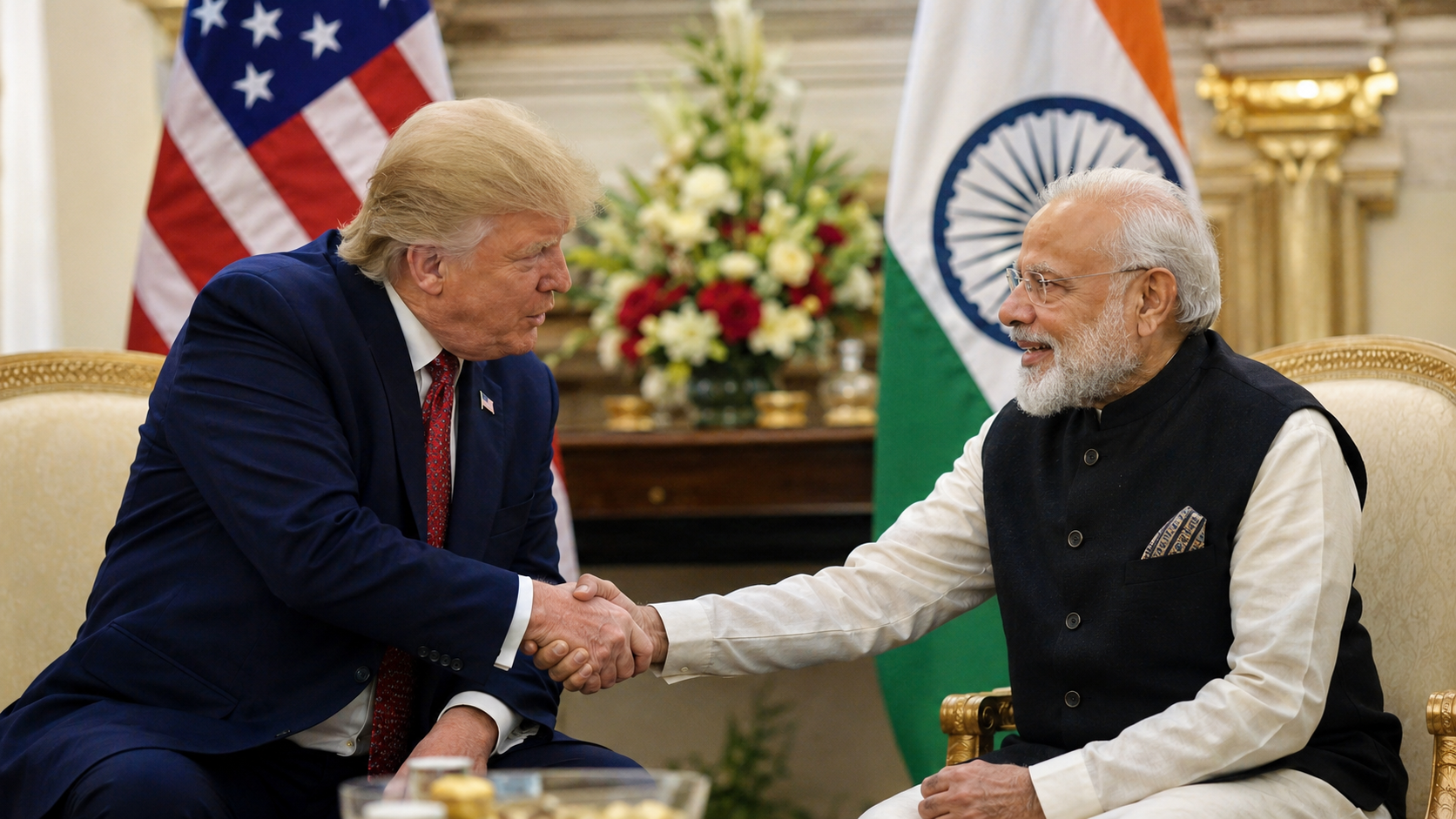
US-India trade deal negotiations are nearing completion, Secretary of State Marco Rubio said, as Washington plans President Donald Trump’s India trip early next year.
In comments published Saturday by IANS, Rubio said the two governments are trying to wrap up a bilateral trade agreement in the “coming weeks or months.” He added that preparations are also underway for a presidential visit to India early next year.
Trade talks and a possible Trump trip
Rubio said he expects to travel to India again later this year as part of the lead-up work for the potential Trump visit. The planned timing places the trip in early next year, though no dates or itinerary were provided.
On the trade track, Rubio described the negotiations as being in the “last inches,” a phrase he used to convey that remaining gaps are narrow but still unresolved. He said he is optimistic an agreement can be reached soon, indicating active engagement between the two sides.
A completed deal would add momentum to a relationship that spans technology, defense cooperation and supply-chain coordination, alongside commercial ties. While Rubio did not outline specific provisions, the timeline he sketched suggests negotiators are aiming for a near-term conclusion rather than an open-ended process.
Energy cooperation moves to the foreground
Rubio also framed energy as an area where Washington wants a larger role, pointing to India’s expanding demand. He said the United States is interested in helping meet India’s growing energy requirements, signaling a push to deepen energy trade and related cooperation.
He connected that ambition to the broader goal of increasing global crude oil availability. In his remarks, Rubio said the US could contribute to raising worldwide supply, referencing Venezuela as one potential source of additional barrels.
Rubio noted that Venezuela’s output includes heavy crude, a grade that Indian refineries are generally equipped to handle. That detail matters because refinery configurations can limit which crude types are economical to process, making compatibility a key consideration when discussing supply diversification.
What the timeline suggests for bilateral priorities
The parallel push on trade and a potential presidential visit indicates a diplomatic strategy built around near-term deliverables. In practical terms, a trade agreement concluded before a high-level trip would allow leaders to showcase a concrete outcome rather than only announce future talks.
Rubio’s focus on energy underscores how commercial policy and strategic alignment are increasingly linked, especially for large importers like India. If Washington expands its role in India’s energy mix, it could reshape procurement patterns and influence how both countries manage price volatility and supply risk.
Next steps will hinge on whether negotiators can resolve the remaining issues Rubio alluded to and whether planning for the early-next-year visit advances on schedule. Watch for confirmation of Rubio’s expected return trip later this year and any formal announcements that narrow the trade deal’s closing window.