Iran Revolutionary Guards say US bases in region hit
Iran's Revolutionary Guards struck US sites following alleged air attacks near Sirik, escalating tensions in the Strait of Hormuz. Read the latest update.
Omar Farouk ·
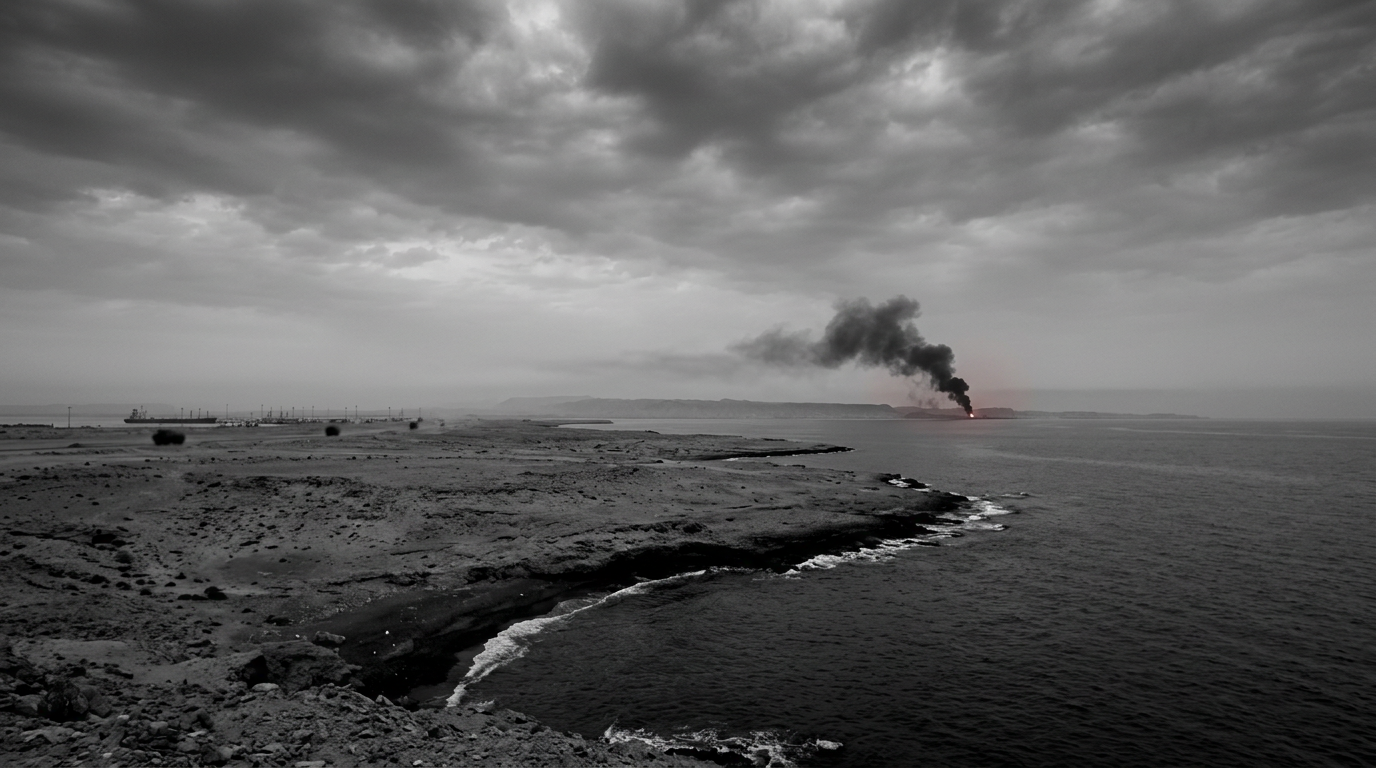
Iran Revolutionary Guards said they struck US deployment sites in the region in response to what they described as US air attacks on Iran’s southern coastline near Sirik.
In a written statement, the force’s naval arm said the action was retaliation for air strikes it attributed to the United States against Iranian coastal areas. The statement did not specify the locations hit, the extent of damage, or whether there were casualties.
Claimed retaliation tied to Sirik and coastal air strikes
The Iran Revolutionary Guards’ statement framed the incident as a direct response to an attack it said occurred along Iran’s shores. It said its naval forces carried out strikes against what it called US military deployment points across the wider region.
Iran also characterized the US military presence as hostile, using language that described US forces as “terrorist.” No independent confirmation was provided in the statement, and there was no detail on the method used in the reported counterstrike.
The announcement came against a backdrop of heightened maritime and security tensions in and around the Strait of Hormuz. The narrow waterway is a strategic route for global energy shipments, and incidents involving military vessels or commercial traffic there can quickly escalate.
Hormuz dispute and allegations of ceasefire violations
Iran said the triggering event involved a vessel in the Strait of Hormuz that it accused of taking an “unauthorized route,” prompting Iranian intervention. According to the statement, the United States then used that intervention as a pretext for launching air attacks on Iranian coastal positions.
The Revolutionary Guards further alleged that the US action amounted to a breach of a ceasefire, drawing a comparison to what it described as Israel’s behavior in Lebanon. The statement did not provide dates or additional evidence for the comparison.
Iran’s account centered on the legality of control over maritime traffic through Hormuz. The statement referenced a memorandum of understanding, saying its Article 5 included provisions recognizing Iranian control of traffic management in the strait.
It accused the United States of attempting to undermine that clause by “provoking various parties.” The statement did not name which parties it believed were being encouraged, nor did it describe what actions constituted the alleged provocation.
Warning of broader action if attacks repeat
Iran said it had already delivered what it called a necessary response and indicated further action could follow. It warned that if what it described as aggression continues or is repeated, the next response would be “more comprehensive.”
Such language signals an intent to deter further strikes by raising the potential cost of additional military action. However, without details on the scale of the reported exchange, it remains unclear whether this marks a limited tit-for-tat or the start of a wider confrontation.
The statement highlights how quickly disputes over maritime routing and enforcement can become tied to broader regional military postures. With Hormuz central to commercial shipping, any sustained cycle of retaliation could increase risks for naval forces, merchant vessels, and neighboring states hosting foreign troops.
Next steps will likely hinge on whether further incidents are reported at sea or along Iran’s coast, and whether official responses clarify the reported strikes and the status of any maritime coordination mechanisms referenced by Iran.