Venezuela earthquakes leave 920 dead as rescues race on
Venezuela earthquakes have killed at least 920 people, with 172 still trapped as rescuers and residents search rubble while foreign aid begins arriving.
Sofia Reyes ·
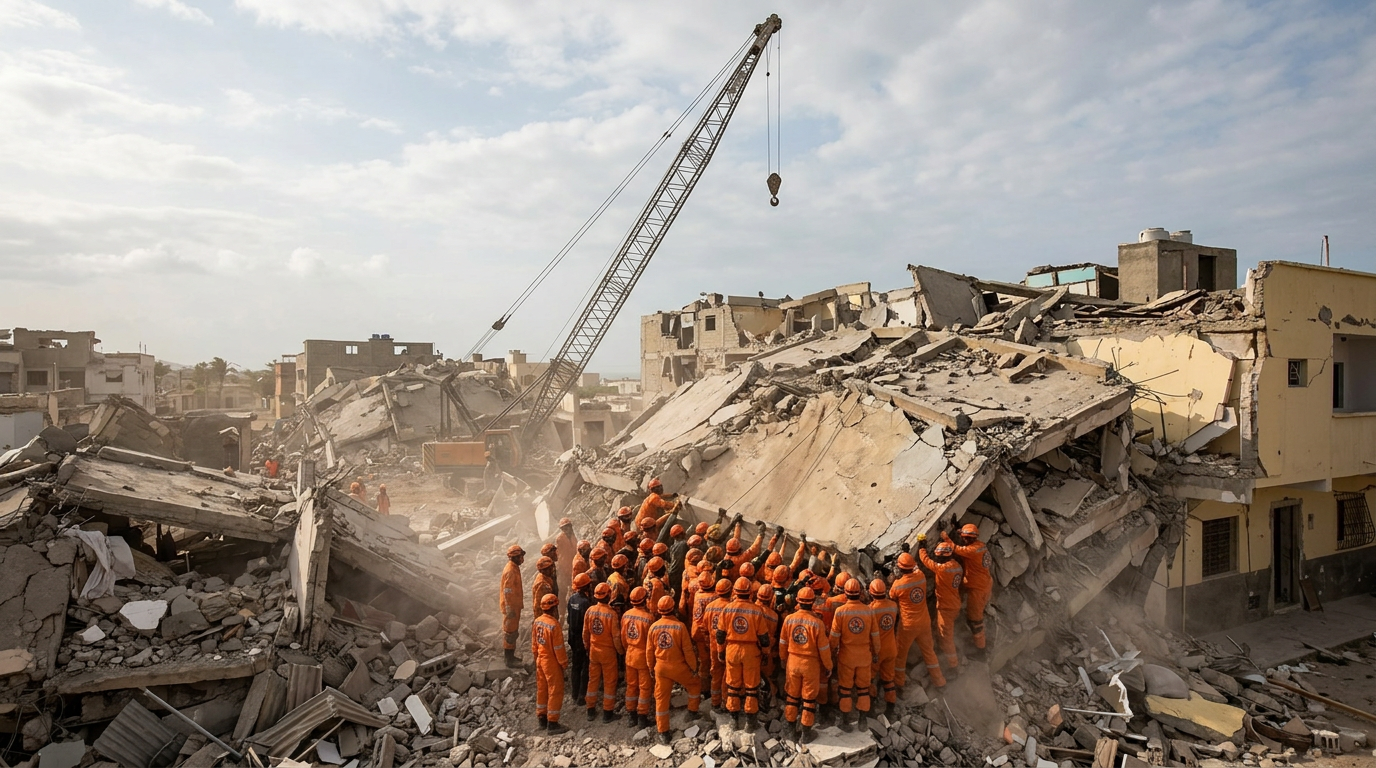
Venezuela earthquakes have killed at least 920 people, officials said, as residents and rescue teams pushed through a second day of searches for survivors.
Authorities reported 3,360 injured and said 172 people were still trapped after twin quakes struck on Wednesday evening, damaging parts of Caracas and surrounding areas. More than 50,000 people were also listed as missing in the aftermath.
Search operations continued on Friday amid growing complaints from hard-hit neighborhoods that equipment and personnel were not reaching them fast enough. Foreign rescue crews and humanitarian support were only starting to reach devastated zones nearly two days after the initial shocks.
Death toll rises as aftershocks shake the capital
The government’s latest figures placed the death toll above 900, underscoring the scale of destruction across the capital region. The injuries count—3,360—points to heavy trauma cases likely to strain local hospitals and emergency services.
On Friday afternoon, the ground moved again with a 4.9 tremor felt in Caracas and in Maracay. While weaker than the earlier earthquakes, the shaking added pressure to ongoing rescue work and raised concerns about the stability of already-damaged structures.
The twin earthquakes hit Wednesday evening, leaving multiple districts with collapsed buildings and rubble-strewn streets. Officials have not detailed how the missing-persons figure was compiled, but the number suggests widespread displacement and disrupted communications.
La Guaira residents dig by hand amid equipment shortages
In La Guaira state, one of the areas reporting severe impacts, frustration grew over what residents described as an uneven relief effort. Volunteers and neighbors were still removing debris manually in some locations, citing a shortage of heavy machinery and limited visible official support.
Jennifer Palacios, 25, said her 6-year-old son and five relatives were believed trapped under debris at the eight-tower Hugo Chávez housing complex in La Guaira city. She said survivors had been pulled out largely through local efforts rather than organized deployment of specialized equipment.
Palacios called for cranes and other tools to lift large concrete slabs, arguing that the pace of rescues was being constrained by the inability to move heavy rubble safely. Her account reflects a broader challenge after major earthquakes: the first 48 to 72 hours are critical for locating survivors, but specialized gear is often required to reach pockets where people may be trapped.
Relief operations face pressure to scale up quickly
With 172 people still reported trapped, the focus remained on search-and-rescue, including efforts to reach collapsed residential buildings. The scale of missing persons will likely complicate both rescue planning and the delivery of aid, as families seek information and authorities attempt to verify locations.
The delayed arrival of foreign teams and assistance illustrates common logistical constraints following a large urban disaster, particularly when transport routes, communications, and command coordination are disrupted. In the coming days, officials will face rising scrutiny over how resources are allocated across affected areas, especially those reporting limited access to machinery.
Next steps are expected to include expanded rescue capacity, systematic accounting for missing residents, and rapid safety checks on compromised buildings as aftershocks continue. Aid flows and the distribution of heavy equipment to the most damaged zones will be key indicators of how quickly the emergency response can stabilize.