Serbia elections: Vucic signals resignation to run again
Serbia elections are set to reshape leadership after President Aleksandar Vucic said he will resign within weeks ahead of an early parliamentary vote.
Claire Dubois ·
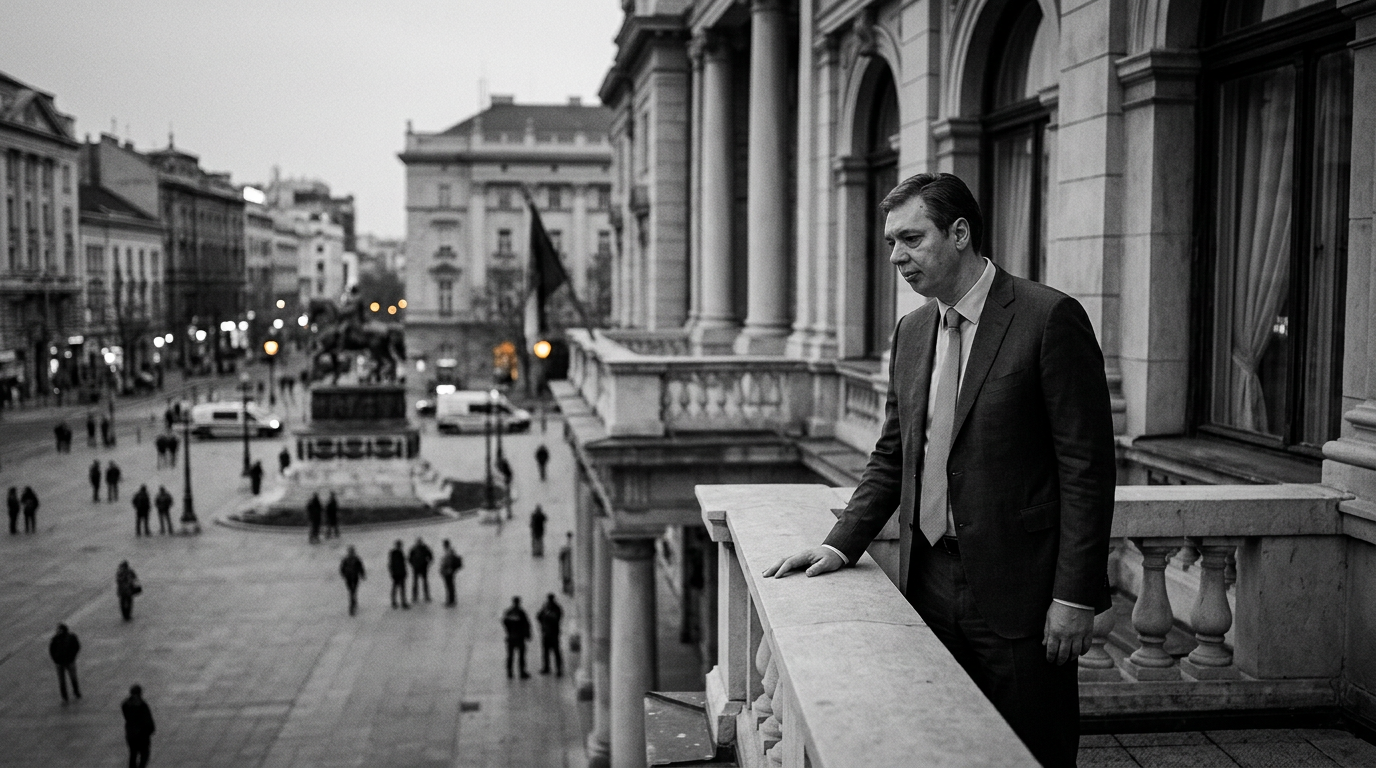
Serbia elections are moving toward a leadership reshuffle after President Aleksandar Vucic said he plans to step down within weeks, positioning himself to campaign for his party ahead of an early parliamentary vote expected later this year.
Speaking at a mass gathering of supporters in Belgrade, Vucic said he would soon resign from the presidency and then assist his Serbian Progressive Party (SNS) in seeking a new mandate. He framed the decision as a way to help the party secure “people’s trust” in the upcoming ballot.
The plan would open a path for Vucic to remain at the center of government if the SNS wins and later backs him for prime minister. Serbia’s political system gives executive authority primarily to the government led by the prime minister, even though the presidency carries significant public influence.
Early vote window set for autumn, paired with presidency race
Vucic said last month that the early election for the 250-seat National Assembly would likely be held between late September and mid-November. The announcement signaled a compressed calendar for parties to prepare candidate lists and campaign platforms.
He also indicated the parliamentary vote would probably be scheduled alongside a presidential election to choose his successor through a direct popular vote. Holding the two contests together could concentrate turnout and intensify competition over leadership, party identity, and economic priorities.
If Vucic resigns before the end of his current mandate, Serbia would need to organize a presidential race earlier than the regular timetable. His second consecutive presidential term runs until May 2027, and Serbia’s constitution limits presidents to two consecutive terms.
Why Vucic is considering a switch from president to premier
Vucic has signaled that a return to the premiership remains possible, depending on the SNS’s electoral needs. In an interview earlier this month, he said such a move “might happen” if the party requires his leadership in government.
The approach reflects a familiar tactic in parliamentary systems: reshuffling top roles while maintaining party control of the executive branch. In Serbia, the prime minister leads the cabinet and day-to-day policy, while the president formally represents the state and wields soft power through visibility and political networks.
A resignation could also allow the SNS to refresh its presidential ticket with a new face, while keeping Vucic as the campaign’s central figure. That arrangement would test whether the party’s appeal is broader than its long-time leader or still primarily tied to him.
Implications for institutions, campaign dynamics, and governance
Scheduling a parliamentary vote alongside a presidential contest could raise the stakes for both institutional balance and political legitimacy. A new president would be elected by the public, while the parliamentary outcome would determine which coalition controls the government and selects the prime minister.
The election’s result will shape Serbia’s domestic agenda as well as its external posture, including how a future government handles economic management and international diplomacy. With the assembly totaling 250 seats, small shifts in vote share can influence coalition arithmetic and cabinet formation.
Next steps depend on the timing of Vucic’s resignation and the formal election call, including confirmation of the autumn window he outlined. Observers will watch whether the SNS nominates a presidential candidate closely aligned with Vucic and whether he formally seeks a role in the next government if the party wins.