US seeks Kenya critical minerals deal to curb China grip
A Kenya critical minerals deal with the United States is nearing agreement, President William Ruto said at the G7, with plans to process minerals locally.
Kofi Mensah ·
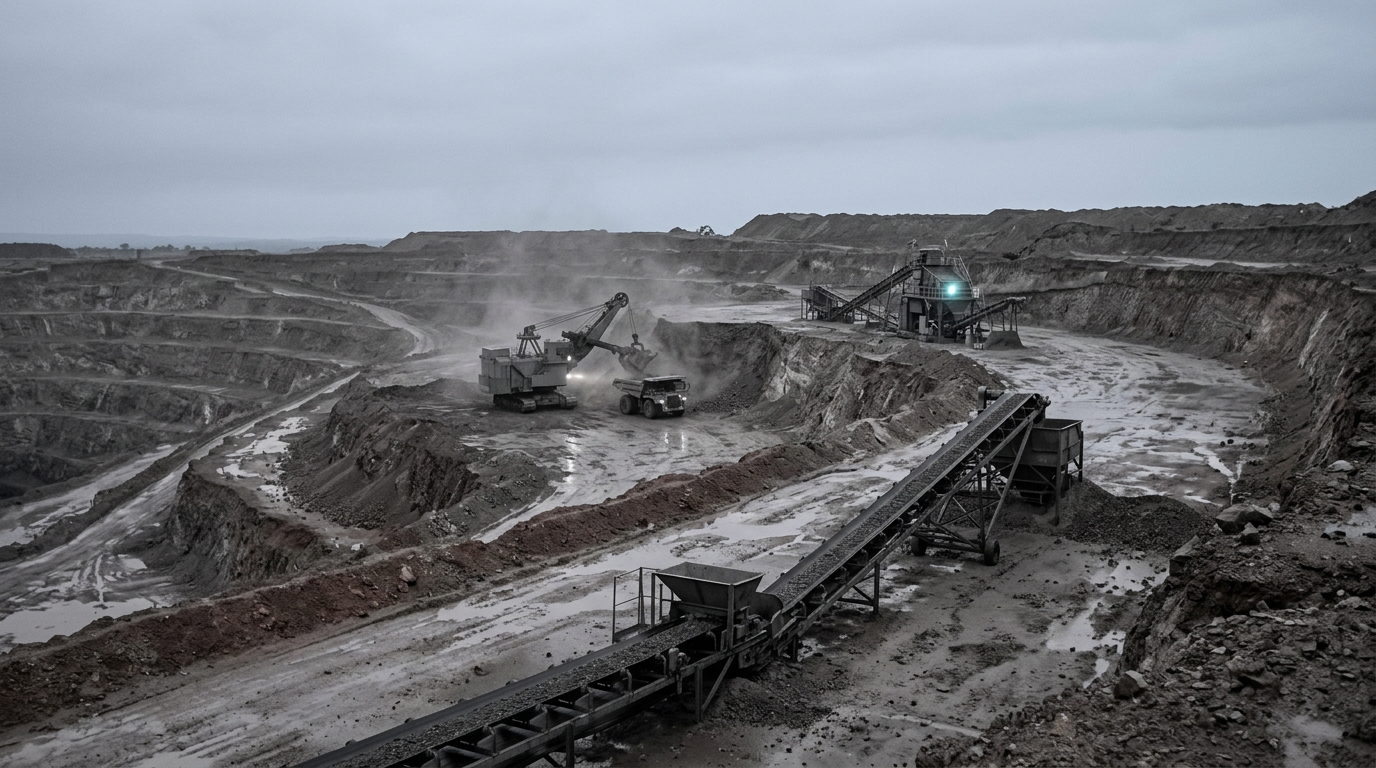
A Kenya critical minerals deal with the United States is nearing completion, President William Ruto said while attending meetings around the Group of Seven summit, pointing to local processing as a central feature.
Ruto framed the talks as part of a broader push for new terms between Western partners and African economies, arguing that the long-standing pattern of exporting unprocessed commodities should give way to value-added industry on the continent.
Deal would prioritize processing inside Kenya
Ruto said the emerging agreement would involve processing minerals in Kenya rather than shipping ore abroad for refining. Such an approach aligns with a wider trend among resource-rich countries seeking more jobs, technology transfer, and tax revenues from their extractive sectors.
Kenya is believed to hold sizable, still-developing deposits of minerals that are widely used in clean energy systems and digital infrastructure. The list cited by Ruto includes copper, graphite, lithium, and nickel—materials commonly associated with electricity networks, batteries, and electronics.
Kenya’s mineral potential has drawn increased attention as governments and companies race to secure inputs for energy transition projects and fast-growing data and telecom networks. In those supply chains, processing capacity often determines where the greatest economic gains accrue.
Washington targets supply chains as China leads
The prospective deal fits into Washington’s stated aim of diversifying critical mineral supply chains that are currently heavily influenced by China. US officials have sought partnerships that support mining, refining, and related infrastructure in countries seen as reliable counterparties.
For Kenya, a closer alignment with the US could open avenues for investment and technical support, particularly if local processing requires new plants, power supply, logistics links, and regulatory frameworks. For the US, agreements that encourage non-Chinese-linked supply routes are intended to reduce strategic vulnerabilities tied to single-country dominance.
Kenya’s position in East Africa and its diplomatic engagement with Western capitals have made it a visible participant in those conversations. Ruto has used international forums to argue that mineral-rich countries should not be locked into low-margin roles at the start of global manufacturing chains.
Foreign policy push collides with domestic politics
Ruto’s outreach to Western leaders has been notable in recent months, including high-level engagements that spotlight investment commitments. Nairobi last month hosted a summit where French President Emmanuel Macron announced investments worth $27 billion across Africa, a headline figure that reinforced Kenya’s role as a convening hub.
At home, however, Ruto faces political risks as he moves closer to Washington ahead of an election next year in which he intends to seek a second term. According to the president, the critical minerals talks are part of a larger economic strategy, but critics have portrayed his approach as overly accommodating to foreign interests.
One flashpoint has been public anger over Ruto’s backing for the construction of a US Ebola quarantine facility. Opponents have argued that the project reflects an imbalance in the relationship, while supporters contend that stronger public health infrastructure can serve national and regional security.
The tension underscores a familiar challenge for African governments pursuing resource and security partnerships: the economic promise of foreign capital can collide with public concerns about sovereignty, safety, and who benefits. As negotiations on the minerals agreement move toward conclusion, scrutiny is likely to focus on where processing will occur, how revenue will be shared, and what safeguards will govern environmental and community impacts.
Next steps include clarifying the scope and timeline of the agreement, including any commitments on processing facilities, standards, and investment. The domestic political response—and whether the government can demonstrate tangible local gains—may shape how quickly the partnership can advance.