Nuclear Rhetoric Rises Amid Crimea Supply Pressure
Russia heightens nuclear rhetoric while Ukraine's drone attacks pressure Moscow's ability to maintain logistics for occupied Crimea.
Claire Dubois ·
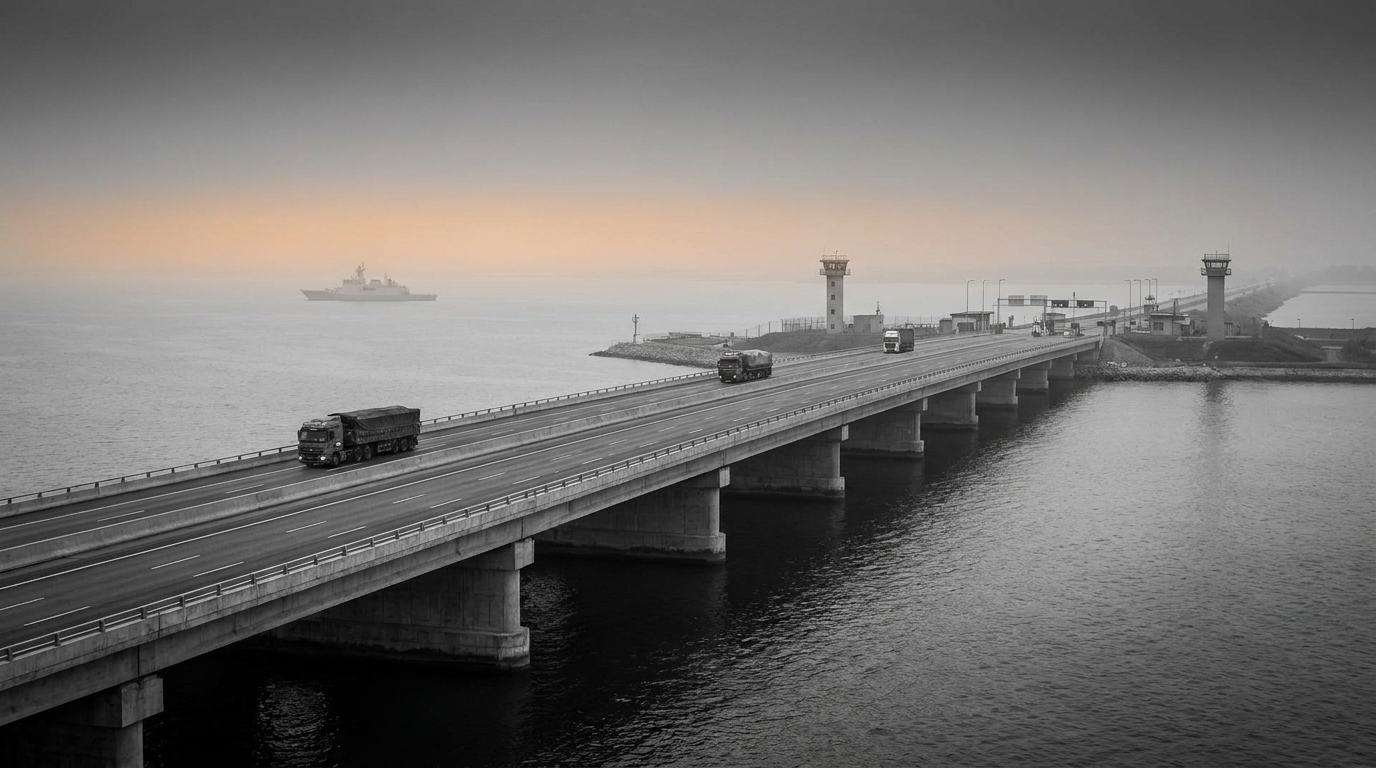
Ukraine Targets Crimean Supply Lines
Ukraine has intensified a drone campaign targeting logistics and infrastructure in Russian-occupied Crimea, significantly pressuring Moscow's supply capabilities. These strikes are designed to hinder Russia's ability to sustain military operations from the peninsula, which has served as a critical launchpad since the 2022 invasion.
The campaign focuses on crucial routes, fuel depots, and transportation links, directly impacting the flow of resources to Russian forces. This sustained pressure has forced Moscow to acknowledge a worsening fuel crisis in Crimea, prompting official reassurances of corrective measures.
Moscow Escalates Nuclear Messaging
Amidst the escalating attacks on Crimea, Russia has amplified its nuclear warnings, framing them within the context of the Russia-Belarus Union State. Deputy Foreign Minister Mikhail Galuzin underscored deepening coordination between the two nations' armed forces, noting their joint security doctrine includes nuclear means.
This statement, while not an immediate threat of nuclear deployment, reinforces a deterrence posture frequently articulated by Moscow since the February 2022 invasion. The timing coincides with the increasing vulnerability of Russian logistical networks, specifically those supporting operations in and from Crimea.
Logistical Strain Hits Crimean Civilians
The operational disruptions caused by Ukrainian strikes are visibly affecting daily life and commerce for civilians in occupied Crimea. Recent reports indicate severe fuel shortages, with local authorities imposing strict limits on gasoline purchases, leading to long queues and inflated prices on the black market.
Key transport arteries, such as the Chonhar Bridge, have been repeatedly struck, complicating the movement of essential goods. The tourism sector, a vital part of Crimea's economy, has also experienced a sharp decline in bookings, signaling broader economic distress under occupation.
Strategic Implications and Future Outlook
Ukraine's strategy aims to transform Russia's rear areas into contested zones, particularly along the R-280 route, a key corridor connecting Russia to occupied territories. Officials have indicated a focus on targets 20 to 200 kilometers behind the front lines, with claims of substantial reductions in military cargo traffic.
The broader context of Russia's nuclear messaging, including a revised doctrine post-2022 and the deployment of tactical nuclear weapons to Belarus, suggests an effort to deter further Ukrainian advances or Western support. While the immediate military impact on Russian operations remains under evaluation, the combined pressure on logistics and the escalating rhetoric highlight risks of miscalculation as the conflict evolves.