

Urich payment widens scrutiny of Netanyahu aides
A report said Einhorn’s consulting firm paid Yonatan Urich more than NIS 1 million, adding pressure around alleged influence operations.
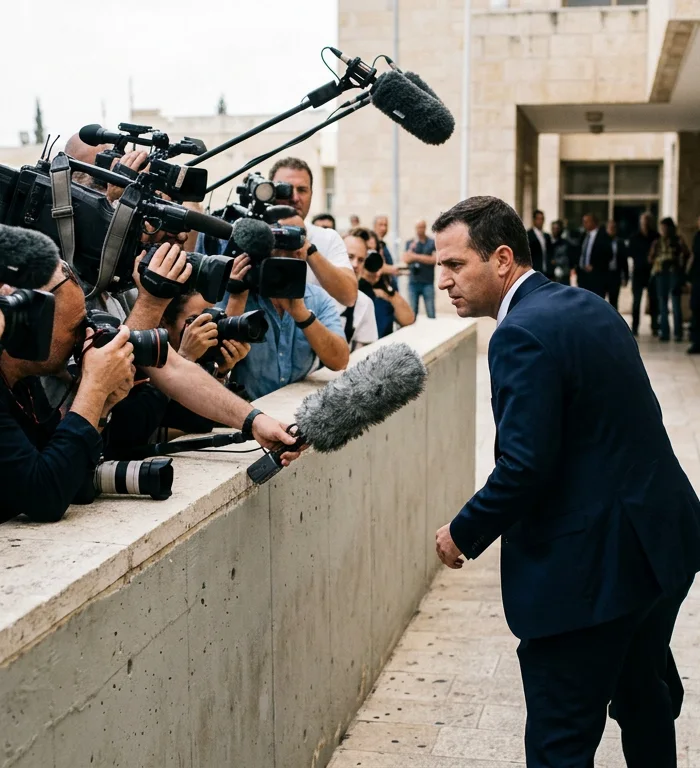
Einhorn's consulting firm paid Netanyahu aide Yonatan Urich more than NIS 1 million for work with foreign countries, a news report said Sunday.
The allegation adds a second front to scrutiny around Prime Minister Benjamin Netanyahu's circle after a separate Sunday evening report said Netanyahu held a secret meeting several months after Oct. 7 with a former senior Mossad official suspected in the Qatargate affair.
The reports matter in Washington because any proven overlap between foreign-funded political work, intelligence leaks and wartime diplomacy would draw attention from the White House, State Department, Pentagon and congressional committees that handle intelligence sharing with Israel.
The supplied material links Urich to a wider Israeli investigation into Prime Minister's Office aides accused of leaking manipulated classified intelligence to foreign media to weaken domestic pressure for a Gaza hostage deal. Those allegations remain under investigation and are not established as fact in the material provided.
Qatargate refers to a broader probe into alleged covert lobbying, media manipulation and undisclosed funding channels involving Gulf actors and Israeli political operatives. The Sunday evening report said Netanyahu met the former senior Mossad official several months after the Oct. 7 attacks, while that official was suspected of involvement in the affair.
Yonatan Urich
For US officials, the immediate issue is not Israeli coalition politics. It is whether information shared across allied intelligence channels could have been exposed, shaped or routed through advisers with undisclosed foreign ties during hostage and ceasefire diplomacy.
Congress has tools it could use if lawmakers decide the allegations touch US interests, including letters to the State Department or the director of national intelligence. Foreign Agents Registration Act scrutiny would depend on evidence of activity directed at US audiences or policymakers, not merely Israeli domestic consulting.
The main uncertainty is evidentiary. If Israeli investigators document foreign payments tied to influence operations or classified leaks, US committees would have a clearer basis to request briefings on intelligence safeguards.
If the evidence remains confined to Israeli political conduct, Washington may treat the matter as a domestic scandal rather than a bilateral security problem.
More stories
- Eisenkot secures first coalition deal but lacks majority
- Germans oppose Ukraine aid as poll shows support slipping
- Kim Jong-un receives 10 envoys after constitutional shift
- Ukraine claims Libya strike sinks Russian naval corvette
- COP31 climate talks collapse over fossil fuels and funds
- Russian military faces 1,087 recorded suicides in Ukraine war
- South Africa records 76,922 HIV prevention jab initiations
- Three Elections Today. A Global Political Test Ahead.
- Israeli settlers attack West Bank olive harvest, hurt two
- Zelenskyy says Starshield limits weaken Ukraine defenses
Latest news
- Trump prepares tariffs on China and other major exporters
- New-car buyers pay record average $50,087 in October
- Banks face ECB reserve debate over liquidity and profits
- Investors see Anthropic debut gains fade below $83 a share
- Iraq orders federal control over Kurdish-area oilfields
- Nvidia shares retreat as AI rally cools before PCE data