

Ukraine faces intensified attacks, hybrid warfare, political shifts
Kyiv contends with escalating Russian aggression, expanded hybrid warfare tactics, and internal political dynamics, stressing the need for advanced defense…
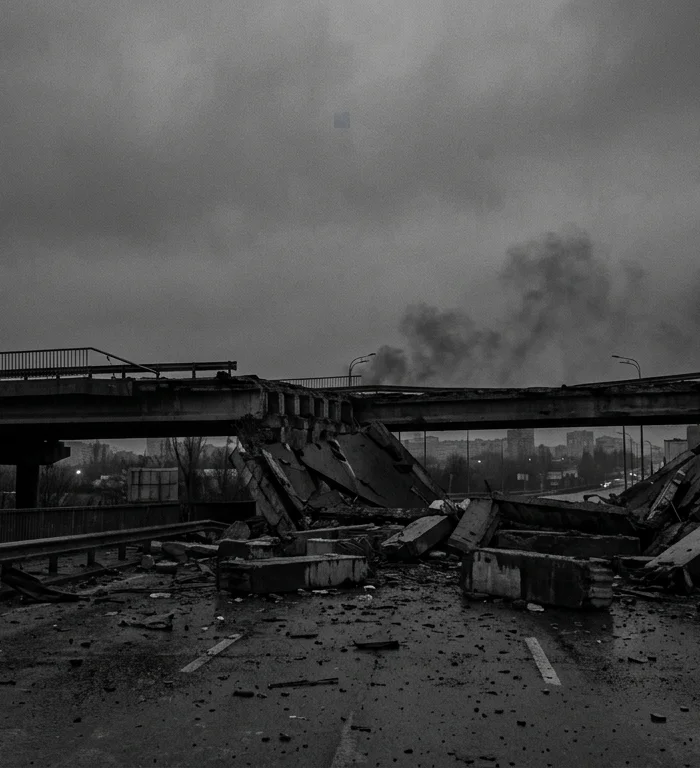
Kyiv is navigating a progressively intricate security landscape, characterized by heightened Russian attacks and the expansion of regional hybrid warfare strategies. Concurrently, Ukraine is managing evolving internal political currents, particularly following protests related to the potential dismissal of Mykhailo Fedorov.
Initial demonstrations in the capital, sparked by discussions surrounding Fedorov's possible removal, largely subsided after he publicly advocated for wartime elections. However, the organizers of these protests promptly disavowed the call for polls, citing significant legal and logistical hurdles in conducting elections during active conflict. They also warned that such an undertaking risked exacerbating existing societal divisions. This political move reportedly diminished Fedorov's standing among both his previous supporters and opposition figures.
Escalating Security Environment
The overall security situation across Ukraine has considerably deteriorated. Recently, Kyiv endured an intense aerial bombardment by Russian forces, which inflicted substantial damage on civilian infrastructure. Medical facilities were among the structures significantly affected, highlighting the indiscriminate nature of these ongoing attacks. The Ukrainian government continues to underscore the urgent need for advanced anti-ballistic defense systems to effectively mitigate the destructive impact of these strikes.
Regional Hybrid Warfare Tactics
Beyond direct military actions, regional security concerns have broadened due to a series of incidents attributed to hybrid warfare. Officials reported the interception of a Russian marine drone, heavily laden with explosives, operating in close proximity to a Romanian offshore gas project. European officials have interpreted this event as part of a wider, deliberate hybrid warfare campaign. This campaign, they suggest, aims to destabilize the entire region and undermine critical infrastructure.
Further demonstrating the scope of these threats, Polish authorities recently announced the arrest of an individual suspected of involvement in a failed assassination attempt. The target was identified as a representative of Ukraine's crucial arms industry. This incident highlights the persistent presence of foreign-directed sabotage operations specifically targeting Ukrainian interests and, by extension, the broader stability of the region.
Need for Enhanced Defenses
The confluence of evolving security challenges and internal political adjustments consistently underscores Ukraine's critical requirement for enhanced defense capabilities. This need spans protection against both conventional military aggression and the diverse range of hybrid threats now being employed across the region. The nation's ability to withstand these pressures relies heavily on international support for advanced weaponry and intelligence sharing.
More stories
- Eisenkot secures first coalition deal but lacks majority
- Germans oppose Ukraine aid as poll shows support slipping
- Kim Jong-un receives 10 envoys after constitutional shift
- Ukraine claims Libya strike sinks Russian naval corvette
- COP31 climate talks collapse over fossil fuels and funds
- Russian military faces 1,087 recorded suicides in Ukraine war
- North Korea missiles test scaled-back US-South drill plan
- Strait of Hormuz tensions test Trump's Iran diplomacy plans
- Iran war exposes Tehran's China-Russia support channels
- NATO Headquarters Investigates Intern Over Espionage Allegations
Latest news
- Morocco targets 2030 World Cup final with new stadium bid
- Barclays puts AI bust risk at center of US growth debate
- US inflation reaches 3.8% before December Fed rate meeting
- Türkiye Desk: GTA 6 drains UK mobile spend as Turkish studios feel pressure
- Global stocks fall 0.4% as tariffs and US inflation loom
- CIA hack affects unclassified data; scope remains unclear
- Trump prepares tariffs on China and other major exporters
- New-car buyers pay record average $50,087 in October