

Turkey initiates mass production planning for GEZGIN missile
Turkey has completed successful flight testing for the GEZGIN long-range cruise missile, moving toward full-scale production and platform integration.
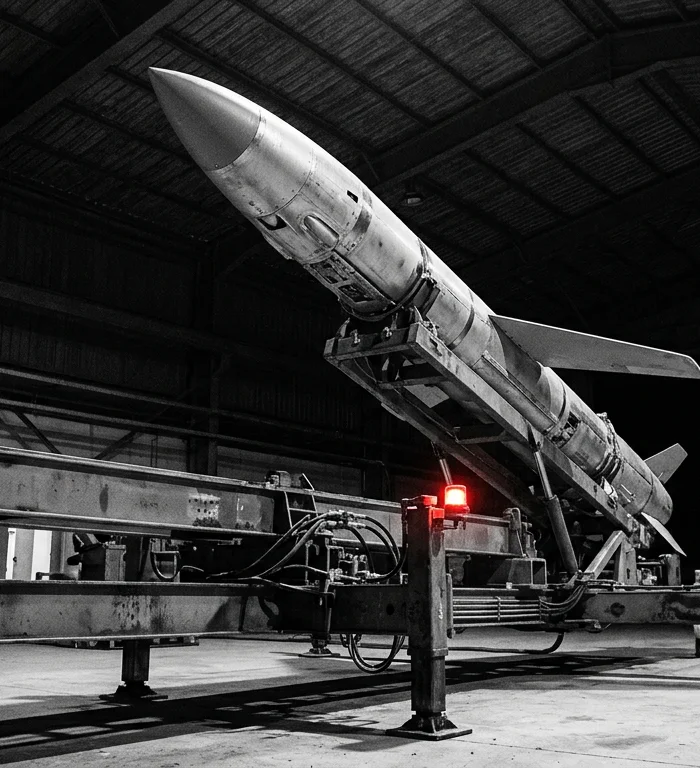
Advancing Long-Range Strike Capabilities
The Turkish defense sector has reached a significant milestone in the development of the GEZGIN long-range cruise missile. Following the successful conclusion of flight trials, authorities are now shifting focus toward mass production and operational deployment. Developed by TÜBİTAK SAGE, the weapon system utilizes a domestically produced jet engine to enhance the nation's strategic deterrence capabilities.
The Presidency of Defense Industries is currently coordinating the logistical and industrial requirements necessary to transition from prototype testing to manufacturing. This project represents a major step in Turkey's ongoing efforts to achieve technological autonomy in advanced munitions.
Multi-Platform Deployment Versatility
Engineers designed the GEZGIN system to be highly adaptable across various military domains. Recent evaluations conducted at specialized underwater testing facilities confirmed the missile's ability to launch from submarine platforms. This capability provides the Turkish Navy with a significant increase in its long-range engagement potential.
Beyond underwater applications, the missile is intended for deployment from land-based, aerial, and surface naval platforms. This versatility is intended to provide commanders with flexible options for responding to diverse tactical requirements across different theaters of operation.
Integration and Strategic Outlook
Technical teams are currently working on integrating the GEZGIN with the National Vertical Launching System (MİDLAS), which is being developed by ROKETSAN. Successful integration with this system is expected to substantially upgrade the offensive capacity of modern naval vessels. As the most powerful iteration in the existing SOM missile family, the GEZGIN serves as a cornerstone of national defense strategy.
While the project has demonstrated technical viability, the timeline for full operational readiness remains subject to ongoing integration challenges. The complexity of synchronizing advanced missile systems with diverse naval platforms presents a persistent technical hurdle. Future success will depend on the seamless coordination between domestic manufacturers and military end-users to ensure the system meets all performance benchmarks in real-world conditions.
More stories
- Eisenkot secures first coalition deal but lacks majority
- Germans oppose Ukraine aid as poll shows support slipping
- Kim Jong-un receives 10 envoys after constitutional shift
- Ukraine claims Libya strike sinks Russian naval corvette
- COP31 climate talks collapse over fossil fuels and funds
- Russian military faces 1,087 recorded suicides in Ukraine war
- Taiwan chip diplomacy puts $265 billion US bet in focus
- Oil prices hover near six-week highs after Hormuz strikes
- Italy energy plan may widen deficit before 2027 election
- Strait of Hormuz crisis forces allies to weigh risks
Latest news
- Global stocks fall 0.4% as tariffs and US inflation loom
- CIA hack affects unclassified data; scope remains unclear
- Trump prepares tariffs on China and other major exporters
- New-car buyers pay record average $50,087 in October
- Banks face ECB reserve debate over liquidity and profits
- Investors see Anthropic debut gains fade below $83 a share
- Iraq orders federal control over Kurdish-area oilfields