

Turkish, Somali forces rescue Hijacked vessel Latuf
Turkish and Somali forces rescued the MV Latuf cargo ship on Saturday, ending a two-week hijacking by pirates off Somalia’s Puntland coast.
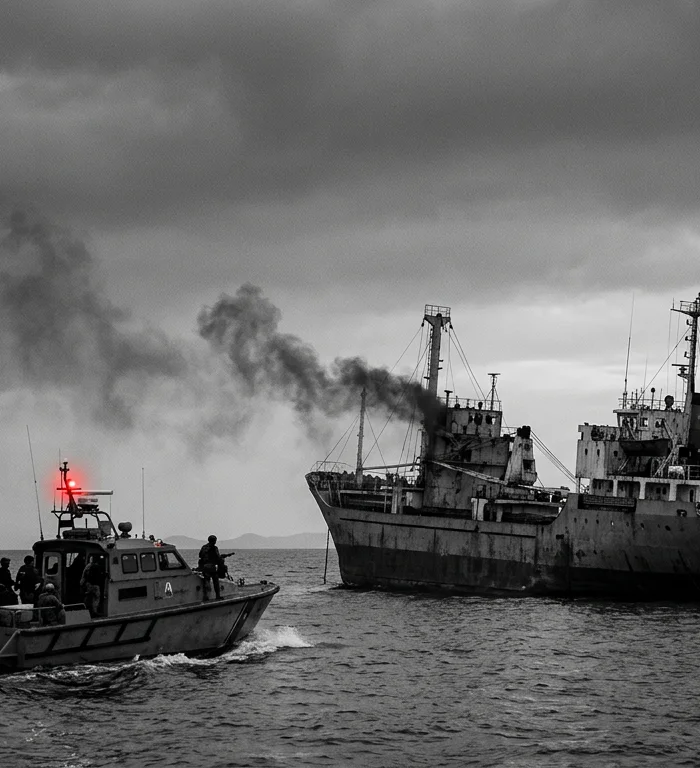
Turkish and Somali security forces successfully concluded an operation on Saturday to free the Cameroon-flagged cargo vessel MV Latuf, which had been under pirate control for two weeks. The joint effort, conducted under a bilateral defense cooperation agreement, took place off the coast of Somalia's Puntland state. The intervention resulted in the deaths of 14 pirates and the destruction of four pirate vessels.
The MV Latuf, which began its journey from Tekirdag, Turkey, in late July, was seized by armed groups on August 17 near Somalia's Nugal region. Somali defense officials confirmed that continuous tactical pressure from the combined forces ultimately led the remaining captors to abandon the ship, allowing security personnel to secure the vessel and its crew. Following the successful rescue, the cargo ship has resumed its voyage towards Dar-es-Salaam, Tanzania.
Maritime Security Concerns Intensify
This incident underscores a growing escalation in maritime insecurity within the Gulf of Aden and off the Somali coast. Data from the International Maritime Organization indicates that piracy incidents in the region have reached their highest frequency since 2013. At least 15 attacks have been documented this year alone, signaling a significant resurgence of threats to commercial shipping lanes.
The renewed challenges have prompted increased naval coordination and cooperation among regional partners. Such collaborative efforts are seen as crucial for safeguarding the vital international trade routes that traverse these waters. The long-term stability of global supply chains relies heavily on effective countermeasures against piracy.
Implications for Global Shipping
The successful rescue operation could serve as a short-term deterrent against future piracy attempts, potentially reassuring commercial shipping companies operating along established routes off the Somali coast. However, the underlying factors contributing to the resurgence of piracy, such as regional instability or insufficient maritime patrols, remain critical concerns.
Should these fundamental issues persist, the threat to global trade routes is likely to intensify, potentially leading to higher insurance premiums for vessels and the diversion of shipping traffic to longer, more expensive alternative routes. Sustained international cooperation and investment in maritime security infrastructure are essential to maintaining stability in these critical waterways, which are vital for global macroeconomic stability.
More stories
- Eisenkot secures first coalition deal but lacks majority
- Germans oppose Ukraine aid as poll shows support slipping
- Kim Jong-un receives 10 envoys after constitutional shift
- Ukraine claims Libya strike sinks Russian naval corvette
- COP31 climate talks collapse over fossil fuels and funds
- Russian military faces 1,087 recorded suicides in Ukraine war
- RAI press freedom clash grows after Ranucci removal as host
- Venezuela oil deal gives US reserve control, Trump says
- Singapore childcare benefits target record-low births now
- Iran warns Gulf oil flows could stop over US sanctions plan
Latest news
- Morocco targets 2030 World Cup final with new stadium bid
- Barclays puts AI bust risk at center of US growth debate
- US inflation reaches 3.8% before December Fed rate meeting
- Türkiye Desk: GTA 6 drains UK mobile spend as Turkish studios feel pressure
- Global stocks fall 0.4% as tariffs and US inflation loom
- CIA hack affects unclassified data; scope remains unclear
- Trump prepares tariffs on China and other major exporters
- New-car buyers pay record average $50,087 in October