

Turkey’s four-way defense MoU puts US tech controls in focus
The planned Doha signing links Turkey, Qatar, Pakistan and Indonesia on defense technology, R&D and joint production.
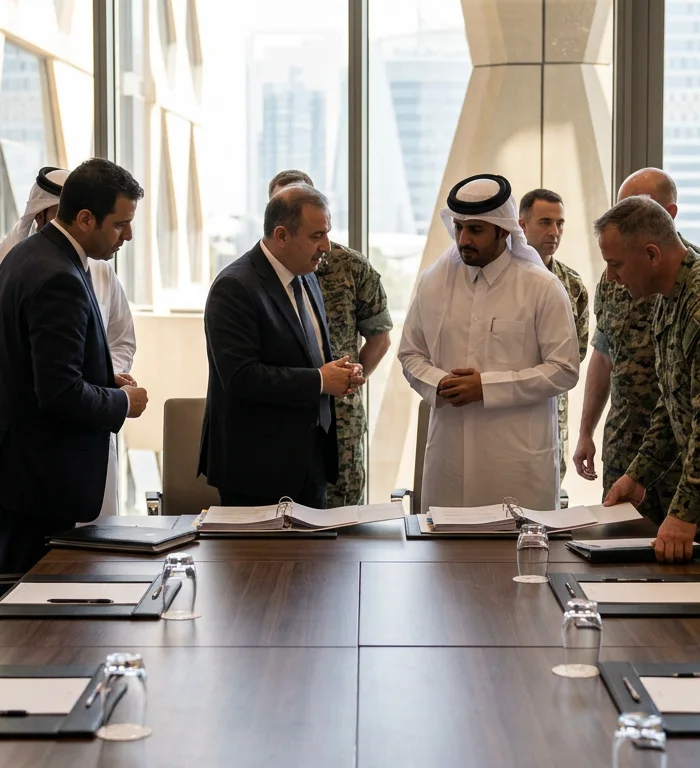
Turkey, Qatar, Pakistan and Indonesia are preparing to sign a four-country defense-technology memorandum of understanding in Doha on Oct. 21, a news report said, widening defense-industrial ties among the governments.
For Washington, the relevant number is one NATO ally, Turkey, joining three non-NATO partners in a format that could draw scrutiny if future projects touch US-origin technology.
The reported memorandum covers defense technologies, research and development, and joint production. The report did not identify specific weapons systems, companies, funding levels or export-control provisions.
That matters for US officials because co-production can complicate oversight. The International Traffic in Arms Regulations, the US rules governing defense articles and technical data, can restrict retransfer of US-controlled components even when a program is assembled outside the United States.
The report did not say the Doha agreement involves US technology, ITAR-controlled parts or any transfer requiring State Department approval. It also did not say whether the memorandum creates binding procurement commitments or only a framework for later projects.
Turkey has spent years expanding its defense-industrial base and seeking export markets beyond traditional Western procurement channels. Its defense relationship with Washington remains shaped by disputes over Russian air defenses, fighter-jet access and technology transfer.
Qatar adds financing capacity and a long record of buying from multiple suppliers. Pakistan and Indonesia bring large military requirements and procurement strategies that do not rely on a single Western supplier.
The immediate test is whether the MoU stays at the political-signaling stage or produces named programs, contracts and technology-sharing terms. A Washington response is more likely if future documents identify controlled components, third-party transfers or co-production that affects NATO interoperability.
Source: news report, Beyazgazete, Oct. 21
More stories
- Eisenkot secures first coalition deal but lacks majority
- Germans oppose Ukraine aid as poll shows support slipping
- Kim Jong-un receives 10 envoys after constitutional shift
- Ukraine claims Libya strike sinks Russian naval corvette
- COP31 climate talks collapse over fossil fuels and funds
- Russian military faces 1,087 recorded suicides in Ukraine war
- Philippine Congress faces scrutiny over two voided budget laws
- Economists see Bank of Japan rate at 1.50% in December
- Crude shipments jump as Russia gains from Saudi strike
- Germany backs China trade curbs before next EU summit talks
Latest news
- Trump prepares tariffs on China and other major exporters
- New-car buyers pay record average $50,087 in October
- Banks face ECB reserve debate over liquidity and profits
- Investors see Anthropic debut gains fade below $83 a share
- Iraq orders federal control over Kurdish-area oilfields
- Nvidia shares retreat as AI rally cools before PCE data