

Turkey’s $1.1 trillion energy bill spotlights deficit
Mehmet Şimşek said August produced a current-account surplus, while the annualized gap showed why energy imports remain a policy concern.
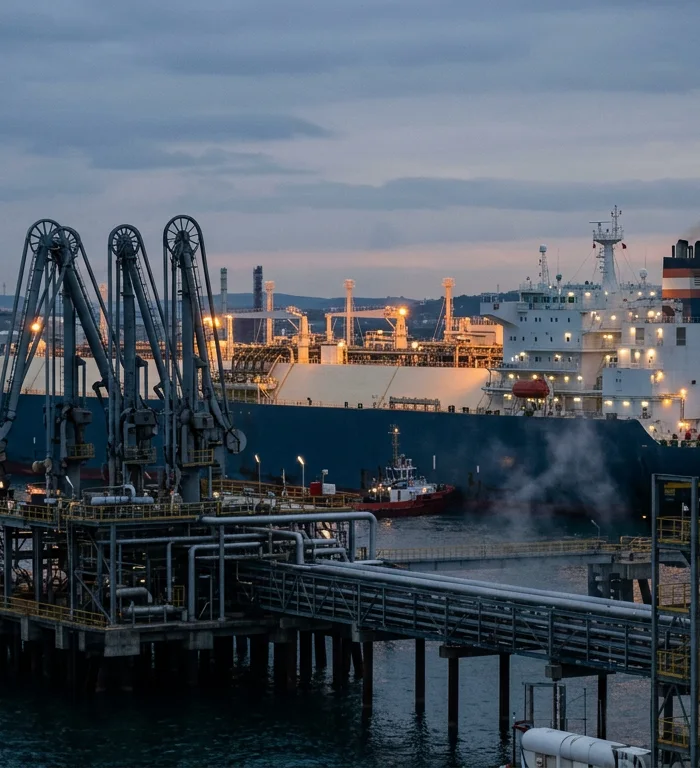
Turkish Treasury and Finance Minister Mehmet Şimşek said in an Oct. 13 social-media post, reported by Dünya Gazetesi, that Turkey posted a $4.1 billion current-account surplus in August 2026.
Dünya Gazetesi’s Oct. 13 news report said Şimşek put the annualized current-account deficit at $42.1 billion, compared with a $1.1 trillion energy-import bill accumulated over 26 years.
The current account, a broad measure of trade in goods and services plus income flows, is closely watched in Turkey because external financing needs can affect currency, inflation and policy risk. Şimşek linked the August data to export performance, services income and energy dependence.
“Mal ihracatındaki artış ve hizmet gelirlerindeki dirençli görünümün katkısıyla cari açığın yönetilebilir seviyelerde kalmasını öngörüyoruz,” Şimşek said, according to Dünya Gazetesi. He said goods-export gains and resilient services revenue were expected to help keep the deficit at manageable levels.
The minister’s post followed the Central Bank of the Republic of Turkey’s balance-of-payments data for August 2026, according to the report. The report did not provide a market forecast for the monthly figure or a comparison with economists’ expectations.
Şimşek’s emphasis on energy imports placed the balance-of-payments data in a wider policy frame. He said Turkey’s energy-import spending over the past 26 years was 1.6 times the current-account deficit recorded over the same period and 2 times the current gross external debt stock.
Those ratios, attributed to Şimşek, show why energy costs can dominate Turkey’s external accounts even when tourism, transport and other services revenue support inflows. A current-account surplus in one month can coexist with a large annualized deficit if earlier months showed wider shortfalls.
Şimşek said risks to global energy supply had increased. “Küresel enerji arzına yönelik risklerin arttığı bu dönemde, çeşitlendirilmiş tedarik kaynaklarımız ve güçlü altyapımız enerji arz güvenliğimizi destekliyor,” he said, according to the report.
Energy security is both a supply issue and an external-balance issue for energy-importing economies. When imported energy prices rise, the import bill can widen the current-account gap unless exports or services income grow enough to offset it.
Şimşek said reducing foreign dependence in energy would strengthen resilience to global price shocks over the medium and long term and contribute to the current account. He cited the figures as evidence of the strategic importance of green transformation for Turkey.
The report did not specify new energy projects, fiscal measures or regulatory steps attached to that statement. It also did not include independent estimates of how much green transformation could reduce the import bill or over what period.
Şimşek also pointed to trade and services policy. He said Turkey would keep working to broaden market access through free-trade agreements, improve market diversification and raise value added in exports.
The minister identified health tourism, contracting, software, education, engineering and design as service-export areas where the government wants to increase competitiveness. Services income can support the current account because it brings foreign-currency revenue without the same goods-import profile as manufacturing.
The source material did not include opposition comment, private-sector reaction, revisions to prior balance-of-payments data or a dated release for the next current-account report. It also did not report immediate market moves following the August data.
Dünya Gazetesi published the article at 13:16 local time on Oct. 13 and updated it at 13:18. The embedded social-media post from Şimşek was timestamped 10:02 on Oct.
13.
More stories
- UK spy chief says Iran, Russia escalate campaigns
- Officials Report 11 Missing After Ships Hit Off Bulgaria
- Russia outreach tests Trump's divided base, Mead argues
- Iran Fortifies Defenses Amid Regional Tensions, Raising Stakes for US and Gulf
- Houthi-Saudi Attacks Extend Yemen Border Risk
- Washington tests IMF-backed UK fiscal reset against NATO spending demands
- Saudi airport attack kills 13, strains missile defenses
- Morocco draws $6 billion China EV supply-chain push
Latest news
- Robotics at Amazon tests balance between speed and safety
- Sweden's 176-seat left bloc stalls in government talks
- Lille Explores Legal Action Against LFP After Defender Tiago Santos Suffers Major Knee Injury
- Formula One Secures 10-Year Rwanda Grand Prix Deal
- Gears E-Day No. 2 player-count claim sparks debate
- Message passing lifts small-model Sudoku score to 72%
- Compass Lexecon gets 2 leaders in FTI North America revamp