

Iran Fortifies Defenses Amid Regional Tensions, Raising Stakes for US and Gulf
Iran is shifting toward direct defensive capabilities, moving beyond proxy support. This shift poses new regional security risks for the US and allies.
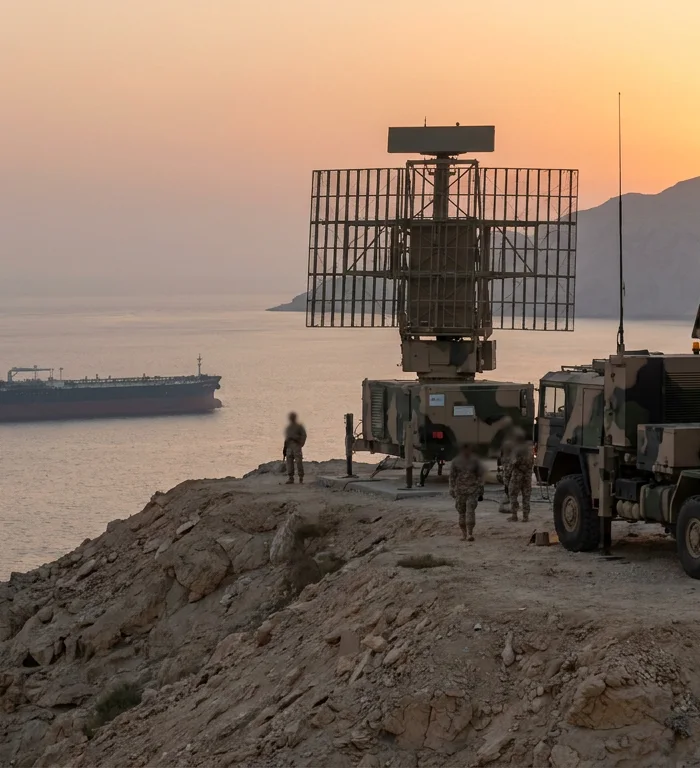
Iran is reportedly bolstering its strategic defensive infrastructure, a shift observed amid escalating regional tensions that suggests a more entrenched posture against potential adversaries. This development, highlighted by ongoing challenges faced by Israel in southern Lebanon, signals a potential recalibration of Tehran's long-term military strategy beyond its established network of regional proxies.
For decades, Iran has projected influence across the Middle East through a network of allied non-state actors, including Hezbollah in Lebanon, the Houthi movement in Yemen, and various Shiite militias in Iraq. This strategy, often termed 'axis of resistance,' has enabled Tehran to exert pressure on regional rivals and challenge the United States and its allies without direct state-on-state confrontation. These proxies receive varying levels of financial, military, and logistical support from Iran, forming a critical component of its regional security doctrine.
Middle East
The current conflict in Gaza, which began in October 2023, has intensified cross-border hostilities between Israel and Hezbollah, following a significant escalation in southern Lebanon. Daily exchanges of fire have caused displacement on both sides of the border and raised concerns about a wider regional war. Concurrently, US-led diplomatic efforts to contain Iran's nuclear program and curb its regional activities have faced persistent challenges, with ongoing sanctions largely failing to deter its strategic objectives.
A more robust and direct defensive posture by Iran could significantly alter the regional balance of power. Such a development would not only complicate strategic calculations for the United States and Israel but also heighten security anxieties among Gulf states, some of whom have recently pursued de-escalation with Tehran. Increased military entrenchment by Iran risks greater instability in vital waterways, such as the Strait of Hormuz and Bab al-Mandab, through which a significant portion of global oil and maritime trade passes, potentially disrupting global energy markets and supply chains. This shift could also impact investment flows into the region, as perceived instability deters foreign capital, and potentially exacerbate existing refugee crises if conflicts intensify.
More stories
- Russia outreach tests Trump's divided base, Mead argues
- Turkey's $1.1 trillion energy bill spotlights deficit
- Houthi-Saudi Attacks Extend Yemen Border Risk
- Washington tests IMF-backed UK fiscal reset against NATO spending demands
- Ukraine Courts Ghana on Child Returns as Washington Eyes Africa Diplomacy
- Egypt construction consulting may hit $10.06 billion by 2031
- Lebanon seizes 500 kg explosives tied by officials to Hezbollah
- ODM power-sharing demand tests Ruto as Washington watches Kenya stability
Latest news
- Lille Explores Legal Action Against LFP After Defender Tiago Santos Suffers Major Knee Injury
- Formula One Secures 10-Year Rwanda Grand Prix Deal
- Gears E-Day No. 2 player-count claim sparks debate
- Message passing lifts small-model Sudoku score to 72%
- Compass Lexecon gets 2 leaders in FTI North America revamp
- AEye revenue grows ninefold as loss hits $10 million
- Dropbox AI tools draw 150,000 users as margin tops guidance
- Formula 1 Targets African Expansion With Ten-Year Rwanda Grand Prix Deal