

Russia outreach tests Trump’s divided base, Mead argues
President Trump links Russia diplomacy to fuel supplies while signaling further action against Iran, foreign-affairs columnist Walter Russell Mead writes.
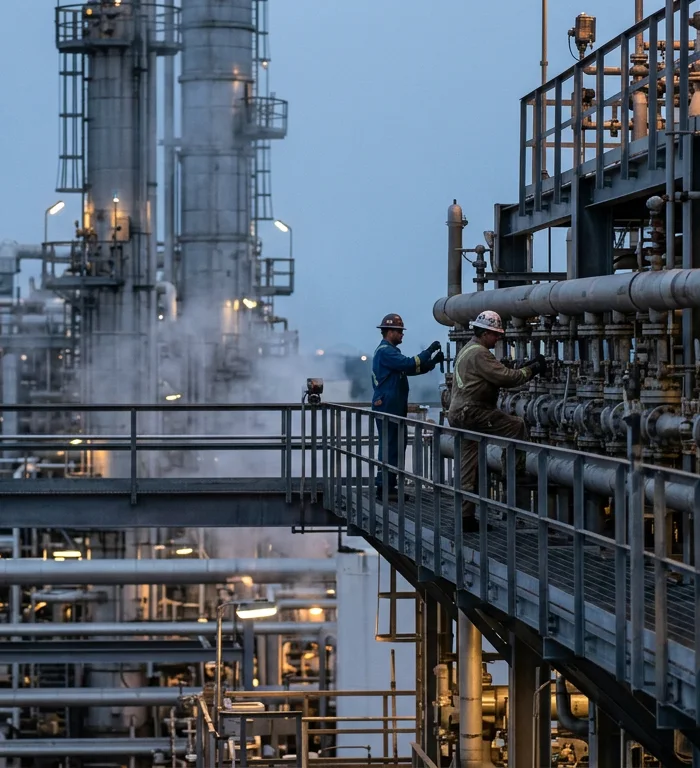
President Trump links Russia diplomacy to fuel supplies while signaling further action against Iran, foreign-affairs columnist Walter Russell Mead writes.
In his October 12, 2026, column, Mead describes an administration attempting to accommodate competing demands from interventionists and advocates of military restraint. His central assessment is that concessions toward Moscow and pressure on Tehran serve different constituencies within the president's political alliance.
Diesel diplomacy meets Iran pressure
Trump said Washington would purchase Russian diesel and suggested that Iran could face additional military action following the congressional midterms, according to Mead's account. The columnist also describes the president discussing renewed fighting with the Houthis, placing several foreign-policy initiatives alongside one another.
On Ukraine, Mead writes that Trump announced an "energy cease-fire" and urged Ukrainian President Volodymyr Zelensky to relinquish office. Mead also reports that American officials warned European governments about a potential interruption to weapons supplies, but offers no terms or timetable for such a restriction.
Mead interprets the initiatives through Trump's emphasis on energy as an instrument of national power. In that reading, access to Gulf resources and cooperation with another major fuel producer belong to the same strategic calculation, despite the different diplomatic approaches involved.
Republican factions pull in different directions
The political division, as Mead describes it, is between supporters seeking confrontation with both Tehran and Moscow and those favoring accommodation with Russia and less Middle Eastern involvement. Trump has generally accommodated the first group's preferences on Iran and the second group's preferences on Russia, Mead argues.
That distinction does not amount to agreement on the administration's overall direction. Mead's assessment is that closer Russian ties offer Trump a way to address restraint-minded supporters while contemplating a more prolonged Middle Eastern conflict; presenting those ties as a route to cheaper fuel adds an electoral argument.
Mead also attributes a broader strategic rationale to the Russia outreach: limiting Moscow's dependence on Beijing and finding common interests involving energy production and opposition to Sunni Islamist militancy. These are the columnist's interpretations of presidential priorities, rather than a detailed administration policy statement.
Fuel costs test the political bargain
The weakness in this approach, Mead argues, is that accommodating rival Republican factions does not necessarily satisfy voters. He describes public resistance both to the Iran conflict and to concessions toward Russia, although his column supplies no identifiable polling results with which to measure either position.
Mead places persistently expensive gasoline and diesel alongside the continuing Russia-Ukraine conflict as tests of Trump's promises. His argument distinguishes the political value of announcing an initiative from the harder task of securing results that supporters can recognize.
If Russian fuel diplomacy delivers the lower costs Trump seeks, it would strengthen the domestic argument Mead identifies for engaging Moscow. If Middle Eastern fighting instead becomes more prolonged, the columnist's account suggests that the tension between military commitments and restraint-minded supporters would become harder to manage.
The concrete tests are whether the announced diesel purchases proceed, what obligations the energy arrangement contains and whether further military action follows the elections. Mead's assessment turns on those outcomes, not simply on whether Trump can keep both Republican factions engaged.
More stories
- UK spy chief says Iran, Russia escalate campaigns
- Officials Report 11 Missing After Ships Hit Off Bulgaria
- Turkey's $1.1 trillion energy bill spotlights deficit
- Iran Fortifies Defenses Amid Regional Tensions, Raising Stakes for US and Gulf
- Houthi-Saudi Attacks Extend Yemen Border Risk
- Washington tests IMF-backed UK fiscal reset against NATO spending demands
- Oil CEOs leave Riyadh agenda after deadly airport attacks
- R4 Group backs Riyadh after Houthi airport strikes
Latest news
- Robotics at Amazon tests balance between speed and safety
- Sweden's 176-seat left bloc stalls in government talks
- Lille Explores Legal Action Against LFP After Defender Tiago Santos Suffers Major Knee Injury
- Formula One Secures 10-Year Rwanda Grand Prix Deal
- Gears E-Day No. 2 player-count claim sparks debate
- Message passing lifts small-model Sudoku score to 72%
- Compass Lexecon gets 2 leaders in FTI North America revamp
- AEye revenue grows ninefold as loss hits $10 million