Trump Alleges Iran Behind FlyDubai Attack, Igniting Regional Tensions
Trump’s claim linking Iran to a foiled FlyDubai terror plot could escalate regional tensions, impacting Gulf security and aviation confidence.
Omar Farouk ·
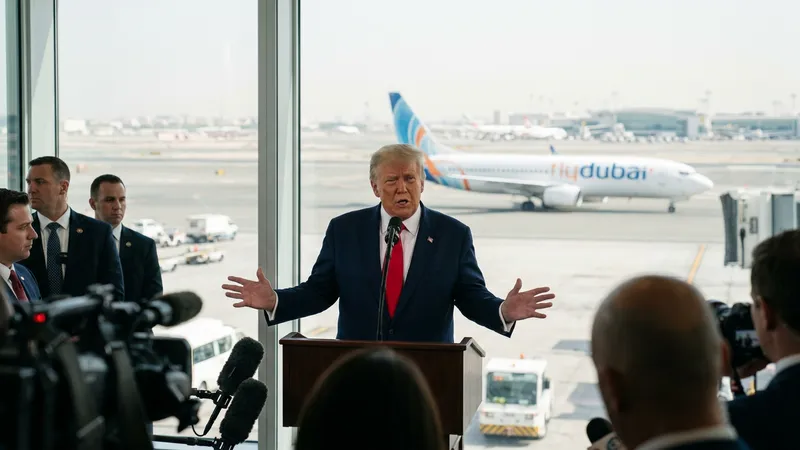
US President Blames Iran for Aviation Threat
US President Trump recently accused Iran of orchestrating a foiled terror attack targeting a FlyDubai passenger jet, a claim that surfaced even as his designated Vice President, JD Vance, urged caution regarding attribution. The accusation, made publicly, re-ignites concerns over regional security and potential state-sponsored aggression, drawing immediate attention to the volatile Gulf political landscape.
Allegations Resurface Past Activities
The alleged foiled FlyDubai attack, though details of its specific timing and nature remain undisclosed in the provided information, echoes historical patterns of tension involving Iran and regional stability. Iran's Islamic Revolutionary Guard Corps (IRGC), a powerful military and intelligence organization, has previously been accused by the United States and its allies of supporting proxy groups and conducting operations targeting shipping, oil infrastructure, and diplomatic missions across the Middle East. These alleged activities contribute to an ongoing narrative of covert actions challenging regional security frameworks.
The US-Iran relationship has been marked by periods of extreme hostility, particularly during President Trump's previous administration, which withdrew from the Joint Comprehensive Plan of Action (JCPOA) nuclear deal in 2018. This withdrawal and subsequent imposition of sanctions intensified a shadow war, involving cyberattacks, maritime incidents in strategic waterways like the Strait of Hormuz, and drone attacks attributed to various state and non-state actors. The current White House administration has maintained a firm stance against what it characterizes as Iranian destabilizing actions.
Regional Spillover and Economic Impact
Such high-profile accusations carry significant weight for the Middle East, a region critical for global energy markets and international trade. The Strait of Hormuz, a narrow passage between the Persian Gulf and the Gulf of Oman, and the Bab al-Mandab Strait, connecting the Red Sea to the Gulf of Aden, are vital chokepoints for global oil and gas shipments. Any perceived threat to aviation or maritime security in this corridor can lead to increased insurance premiums for shipping, impact oil prices, and deter foreign investment in the region.
Aviation security, particularly around Dubai International Airport (DXB), a major global hub, stands as a critical concern. FlyDubai, a government-owned airline, operates an extensive network across the Middle East, Africa, Asia, and Europe. Allegations of terror plots against its aircraft could erode passenger confidence, affect tourism, and necessitate stricter security protocols, potentially leading to increased operational costs and travel disruptions. The Gulf Cooperation Council (GCC) states, key US allies, have consistently voiced concerns over Iranian influence and actions, viewing such incidents through the lens of national security and regional stability.
Policy Shifts and Aviation Security US President Blames Iran The immediate policy implications of President Trump's statement are significant. While the current White House has not officially corroborated the specific claim, the accusation from a prominent US political figure could pressure intelligence agencies to investigate further or disclose relevant information. Such disclosures would directly influence diplomatic efforts between Washington, Tehran, and Gulf states, potentially hardening stances or prompting calls for international condemnation. The incident, irrespective of its verification, underscores the persistent geopolitical complexities that define the US engagement with the Middle East. For the aviation sector, heightened threat perceptions following such claims typically translate into increased security measures at airports and on flights. This could include more rigorous passenger screenings, enhanced cargo inspections, and greater intelligence sharing among international security agencies. These changes, while crucial for safety, can lead to longer travel times and increased operational expenses for airlines operating within or connecting through the Middle East, affecting overall travel sentiment and regional economic forecasts. Future Statements and Security Measures The main open question is whether US or UAE authorities will issue official statements or intelligence disclosures corroborating or refuting President Trump's claims. If official sources align with the accusation, it could lead to an aggressive response from Iran, further escalating diplomatic friction. Conversely, if no verifiable evidence is presented, or if the claims are dismissed, regional tensions might abate. Watch for any changes in flight security protocols at Dubai International Airport or on FlyDubai routes, as well as the broader rhetoric from regional leaders regarding Iran's role in security incidents.