

International Court of Justice Rules Myanmar Committed Genocide Against Rohingya
The ICJ has ruled that Myanmar committed genocide against the Rohingya, marking the first time the court has held a state responsible for the crime.
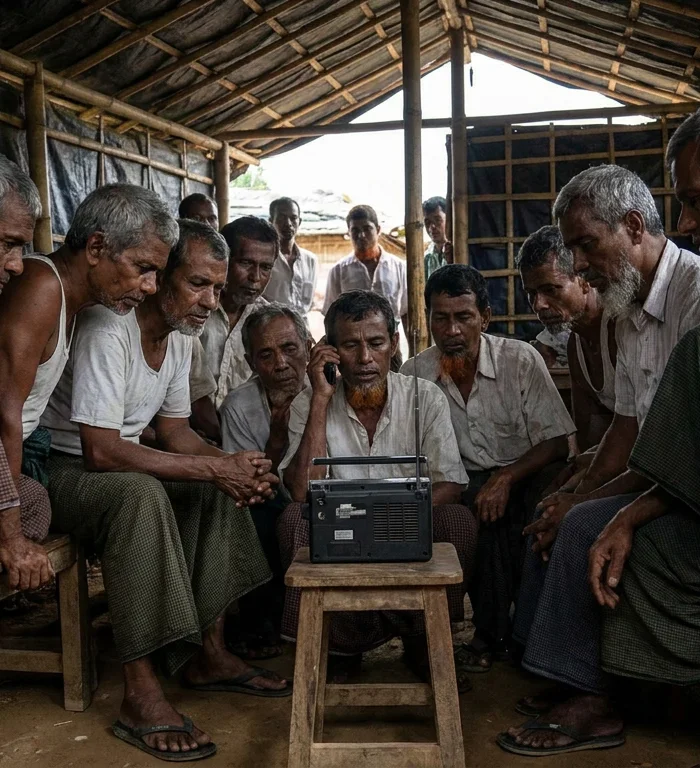
The International Court of Justice (ICJ) has issued a landmark ruling determining that Myanmar committed genocide against the Rohingya Muslim minority. This judgment marks the first time the court has held a state directly responsible for genocide, concluding that military actions in 2017 were carried out with the specific "intention to destroy" a substantial portion of the population.
The court’s findings detail systematic state-sponsored violence, including mass killings, sexual violence, and targeted attacks against children. The ruling mandates that Myanmar facilitate the safe return of displaced Rohingya, ensure family reunification, and conduct domestic investigations to prosecute individuals responsible for these crimes. Furthermore, the court ordered Myanmar to provide financial compensation to the victims for damages incurred during the military campaign.
The International Court
This case, initiated by The Gambia in 2019, represents only the fourth time an international court has met the legal threshold for genocide since the Holocaust. The decision establishes a significant legal precedent for how the 15-member bench assesses state responsibility under the 1948 Genocide Convention. Legal experts note that the methodology used by the court in this ruling may influence other ongoing international proceedings involving allegations of state-sponsored genocide.
Myanmar’s compliance remains a critical point of uncertainty, as the ruling requires the state to reverse policies that led to the displacement of over 730,000 people. The international community, including the Organisation of Islamic Cooperation, has called for immediate adherence to the court's orders. Failure to comply could lead to increased diplomatic isolation and further international scrutiny regarding the enforcement mechanisms of the World Court.
More stories
- Germans oppose Ukraine aid as poll shows support slipping
- Kim Jong-un receives 10 envoys after constitutional shift
- Ukraine claims Libya strike sinks Russian naval corvette
- COP31 climate talks collapse over fossil fuels and funds
- Russian military faces 1,087 recorded suicides in Ukraine war
- US faces China, Russia in Africa minerals contest
- Indonesia seeks Google explanation for 19,372 YouTube removals
- San Antonio faces scrutiny over 50,000-hog farm approvals
- Emirates profit falls 66% as fuel costs rise
- Repeated bomb threats disrupt flights across Europe again
Latest news
- Trump prepares tariffs on China and other major exporters
- New-car buyers pay record average $50,087 in October
- Banks face ECB reserve debate over liquidity and profits
- Investors see Anthropic debut gains fade below $83 a share
- Iraq orders federal control over Kurdish-area oilfields
- Nvidia shares retreat as AI rally cools before PCE data
- Macy’s parade faces balloon limits as storm winds approach