Tisha B’Av opinion urges Israel to rebuild a “culture of responsibility”
Tisha B’Av serves as a prompt for civic and moral self-audit, as this opinion column argues Israeli society must restore a culture of responsibility.
Omar Farouk ·
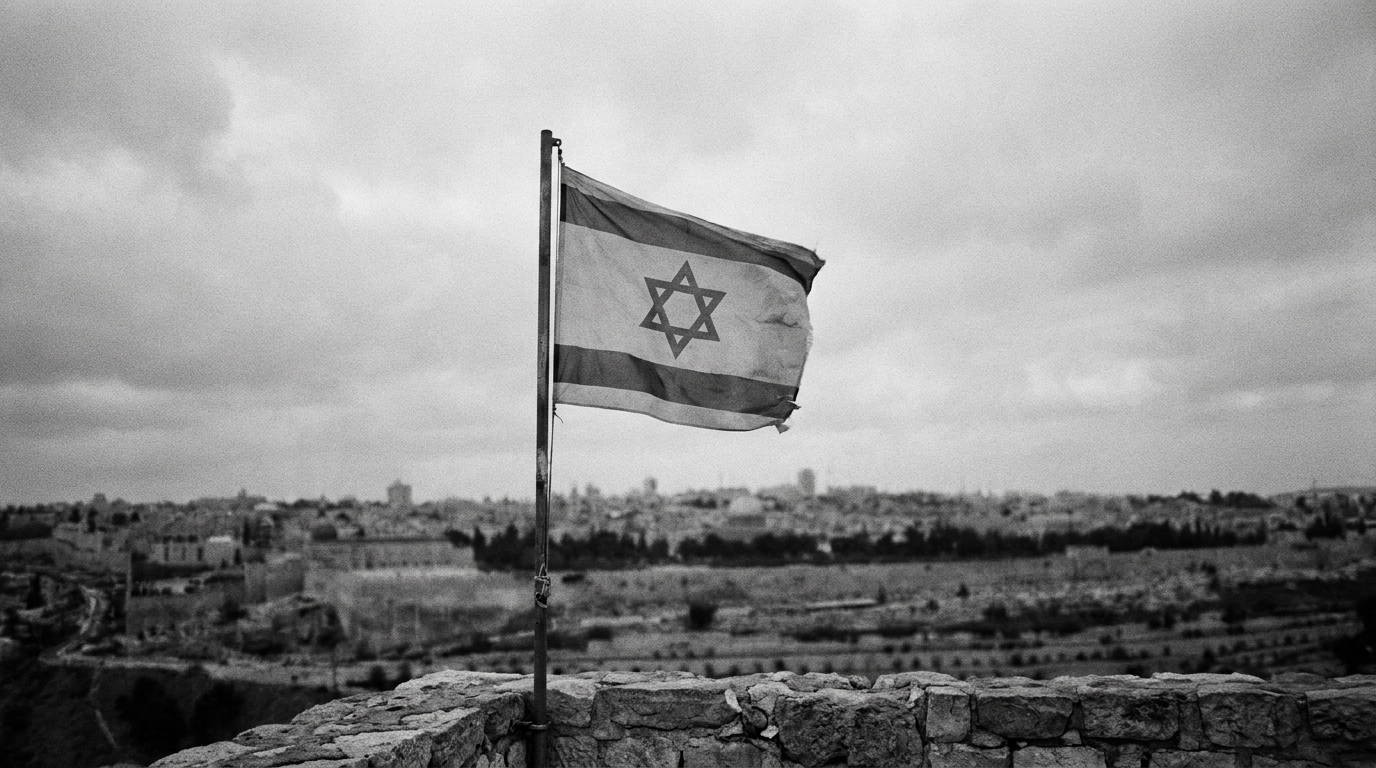
# Tisha B’Av opinion urges Israel to rebuild a “culture of responsibility”
An opinion article published this week uses Tisha B’Av, the Jewish day of fasting and mourning, to argue that Israel should restore what it calls a “culture of responsibility.” The piece frames the commemoration not as a ritual exercise but as a test of whether a society’s ethical standards can be felt in daily life, beyond speeches and symbols.
It does not cite new government decisions or The article’s core claim is that a “healthy society should possess a moral fragrance,” meaning its values should be visible in streets, offices, schools, hospitals, and homes. It does not cite new government decisions or military developments; instead, it positions Tisha B’Av as a moment to examine public trust, civic behavior, and social norms.
Tisha B’Av is observed on the ninth day of the Hebrew month of Av and is traditionally marked by fasting and mourning in remembrance of major Jewish calamities, including the destruction of the First and Second Temples in Jerusalem. In modern Israel, the day often carries an added layer of national reflection, with religious and secular communities debating what “internal repair” should look like.
Public argument over social cohesion and responsibility has sharpened in recent years, spanning questions of leadership ethics, institutional accountability, and the tone of political life. The opinion piece situates itself inside that longer-running cultural dispute rather than responding to a specific policy move or security incident.
Even without a new headline event
Even without a new headline event, values-driven debates can shape how Israeli society handles periods of stress, including war, protest, and economic strain. Calls for a renewed “culture of responsibility” typically intersect with practical issues such as compliance with rules, trust in institutions, and the willingness of rival political camps to accept constraints.
For the wider region, Israel’s internal cohesion matters because domestic volatility can affect decision-making on high-stakes files, including deterrence messaging, hostage or prisoner-related bargaining, and escalation management. In moments of heightened tension, shifts in public trust and institutional confidence can influence how credibly the state signals restraint or resolve.
There is no falsifiable forward marker in the opinion piece itself. A practical observable, however, would be whether senior Israeli political and civic leaders use Tisha B’Av-related messaging to translate moral language into specific commitments, such as public integrity measures, enforcement priorities, or cross-community initiatives, in the weeks after the observance.