Qatar mourns Sheikh Hamad, emir who built LNG wealth base
Sheikh Hamad, Qatar’s former emir, died at 74 after steering the state’s LNG-led rise and transferring power to his son in 2013.
Omar Farouk ·
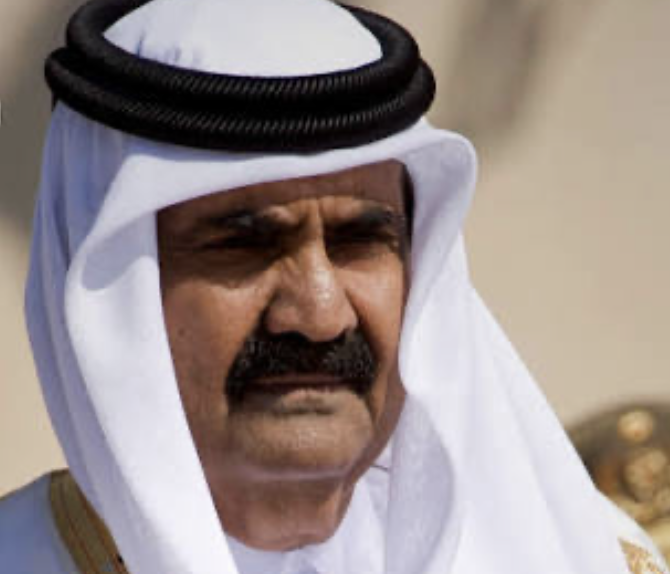
Sheikh Hamad, Qatar’s former emir, has died at 74 after steering the Gulf state’s gas-led rise and global expansion.
The Amiri Diwan, Qatar’s top government body, said Sheikh Hamad bin Khalifa Al-Thani died on Sunday morning. It gave no cause of death, leaving the circumstances of his death undisclosed.
His death closes the chapter of a ruler who took power in 1995 and recast the small desert state’s economic direction, foreign profile and political ambition. His son, Sheikh Tamim bin Hamad Al-Thani, is the current emir and inherited a country already transformed by his father’s rule.
Amiri Diwan gives no cause
Sheikh Hamad ruled for 18 years before handing power to Sheikh Tamim in 2013. The transfer broke with a regional pattern in which rulers often remained in office until death or incapacity, and it made succession itself part of his political legacy.
In a speech marking his abdication, Sheikh Hamad said he wanted a younger generation “with their innovative ideas and active energies” to take charge. That decision framed his departure from formal power as a managed handover rather than a crisis-driven transition.
The source announcement did not describe funeral arrangements, official mourning plans or any immediate institutional changes. Because Sheikh Tamim already holds the throne, the death does not create a succession vacancy under the facts currently available.
Gas exports shaped state power
Sheikh Hamad’s central economic project was the development of Qatar’s liquefied natural gas infrastructure. That system allowed the state to move its large gas reserves into overseas markets, creating the foundation for a much broader national wealth base.
LNG changed the scale of Qatar’s ambitions. A country with limited land and a small domestic market gained an export engine that could connect it to energy buyers abroad and support a wider diplomatic and investment presence.
The former emir’s rule therefore mattered beyond palace politics. His years in power linked domestic modernization to a global commodity strategy, turning energy infrastructure into a tool of national influence.
The source account identifies Qatar as one of the world’s largest LNG exporters, but it does not provide export volumes, reserves data or revenue figures. Without a verifiable data table or official filing in the supplied material, those figures should not be estimated.
Continuity frames the policy test
The immediate effect falls first on Qatar’s ruling establishment rather than on a named company. The state is the central actor in this story, and its core policy inheritance is the gas-export model Sheikh Hamad helped build.
For the LNG sector, the question is continuity. If the current leadership keeps the same broad energy and foreign-policy direction, the mechanism for market stability is straightforward: buyers and partners face no fresh signal of policy rupture from the death alone.
If the national conversation instead shifts toward reassessing Sheikh Hamad’s era, the effect would likely come through political narrative rather than immediate supply mechanics. Qatar’s government would face renewed scrutiny of the choices that turned LNG infrastructure into wealth and influence.
At the global macro level, the conditional paths are narrower because the supplied facts do not show a policy change, a supply disruption or a leadership contest. If institutional continuity holds, the macro effect is limited to the symbolic loss of a ruler associated with Qatar’s rise; if new official decisions follow, their significance would depend on whether they touch energy exports, succession governance or foreign policy.
For Qatar, Sheikh Hamad’s death leaves a legacy measured in institutions rather than ceremony alone. He seized power in 1995, left power by choice in 2013 and built the infrastructure that carried Qatar from a small Gulf state into the front rank of LNG exporters.