Tehran conditions keep Iran talks behind Hormuz assurances
Iran talks stalled as Tehran rejected negotiations without a ceasefire and demanded US action on Hormuz transit and oil exports.
Lauren Collins ·
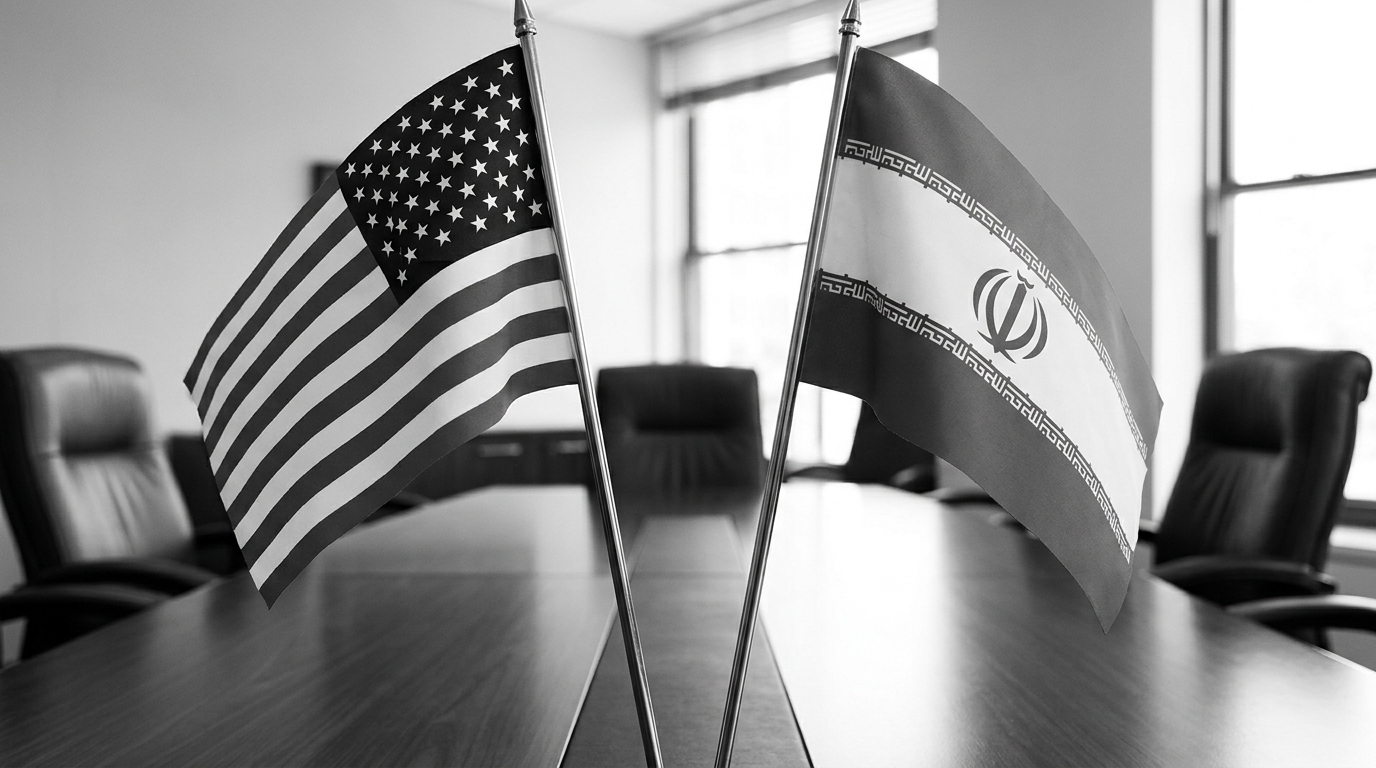
Iran talks are stalled after Tehran rejected US pressure to keep negotiations going without a ceasefire or new Hormuz shipping assurances.
Hormuz pledge becomes the test
Tehran’s response narrowed the diplomatic opening that President Donald Trump said he still wanted to keep alive. A semi-official Iranian news agency reported Saturday, citing an unidentified informed source, that Iranian authorities want Washington to implement “agreed-upon understandings” before talks resume.
Those demands center on two issues that sit at the heart of the crisis: transit through the Strait of Hormuz and the normalization of Iranian oil exports. The US, by contrast, has demanded that Iran publicly declare all channels of the waterway open to shipping and pledge not to attack civilian vessels.
Senior US officials, speaking on condition of anonymity, said Tehran would face consequences if it does not provide that assurance. The demand turns Hormuz from a background risk into the immediate test of whether diplomacy can restart.
Trump mixes talks with threats
Trump said he wanted negotiations to continue, but his message came with a military warning. Late Friday, he threatened to hit Iran with “1000 Missiles” if Tehran acted on a threat to kill the US leader, adding “in this case, ME!” in a social media post.
Trump linked the warning to calls for his death that he said were made at the funeral of Ayatollah Ali Khamenei. The post followed a report that Israel had informed Trump of an Iranian assassination plot, a claim that raises the political cost of any rapid return to talks.
Earlier Friday, Trump said the ceasefire agreed with Tehran in mid-June was over. That declaration matters because several nights of US airstrikes and Iranian retaliation had already pushed oil prices higher this week and cast doubt on a broader peace arrangement.
Oil exports sharpen US leverage
The pressure on Tehran is not limited to military signaling. A US Treasury move to revoke a waiver allowing Iran to sell its oil globally adds an economic front to the dispute, tying export access to the same diplomatic track as maritime security.
The US has blamed Iran for attacks on ships moving through the Strait of Hormuz, which it describes as the world’s most vital energy conduit. Tehran responded to the latest US strikes by hitting American bases in the region, deepening the risk that shipping security and regional military posture will move together.
For Iran, oil export normalization is a core condition because lost access to global buyers weakens revenue and bargaining power. For Washington, a public Hormuz pledge would create a measurable test of restraint before any wider talks advance.
The sector effect would fall first on tankers, insurers, refiners and energy traders exposed to Hormuz disruption. Even without a full closure, a credible threat to civilian shipping can raise risk premiums and complicate route planning for companies that depend on predictable Gulf flows.
Oman channel stays open
Despite the escalation, US officials said they expect expert-level discussions with Iran to continue. Iranian Foreign Minister Abbas Araghchi traveled to Oman on Saturday for talks on the future of Hormuz, keeping at least one diplomatic channel active.
If Iran provides the public shipping assurance and Washington treats export issues as part of the agenda, expert talks could continue. That path would ease oil-market anxiety at the macro level, give Tehran a way to argue its conditions are being heard, and reduce near-term pressure on shippers and energy companies.
If Iran refuses and the US imposes consequences, the mechanism runs through maritime risk and sanctions pressure. Global markets would face renewed concern over energy flows, Tehran would confront tighter constraints on oil revenue, and the wider energy sector would price a higher risk of disruption.
A narrower path is also possible if Oman-hosted talks focus only on Hormuz while the ceasefire question remains unresolved. That would not settle the conflict, but it could create a technical process around shipping assurances, with the open questions centered on US consequences, Iran’s definition of the earlier understandings, and whether military retaliation pauses long enough for diplomacy to function.