US Iran conflict widens after 170 target strikes in two days
The US Iran conflict escalated after US forces struck 170 targets, straining a fragile ceasefire and planned talks.
Lauren Collins ·
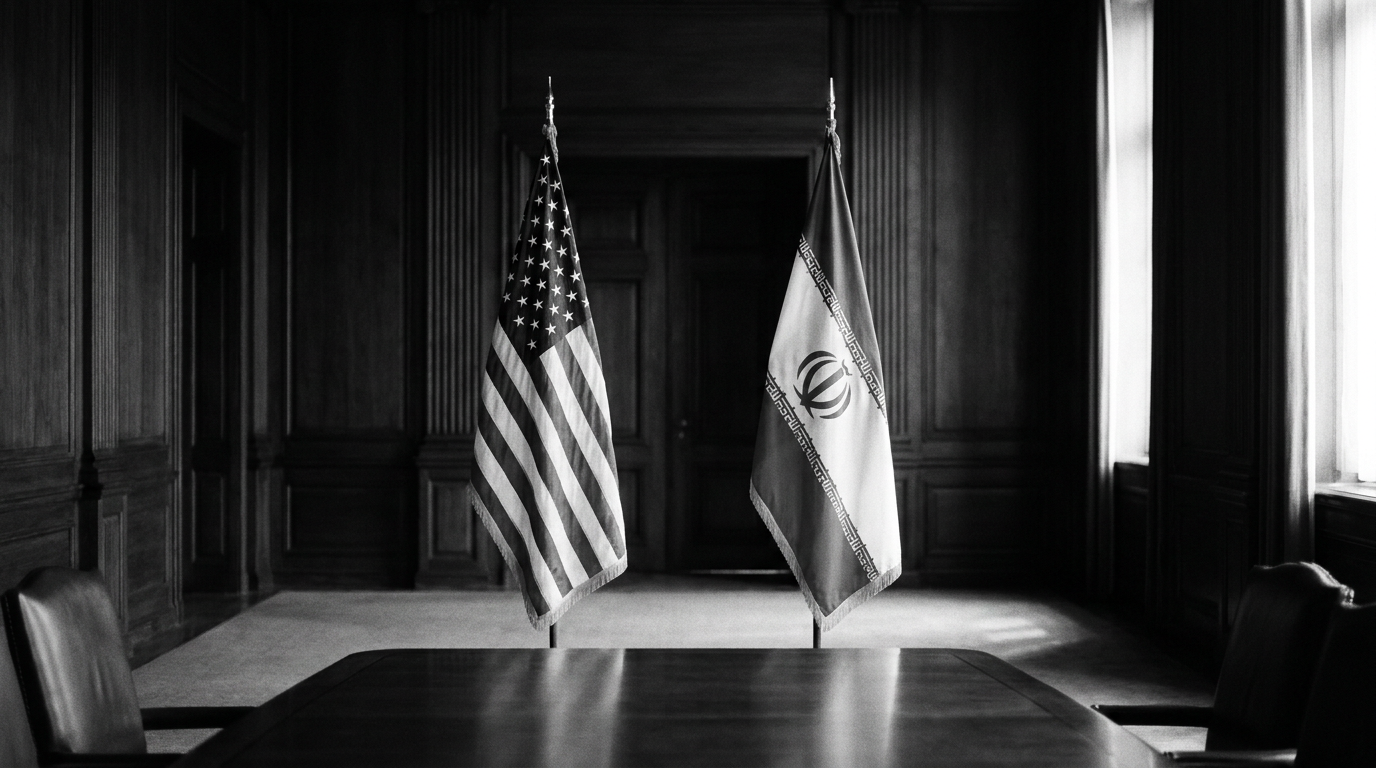
The US Iran conflict escalated after US forces struck 170 targets, putting a fragile ceasefire and planned talks at risk.
US Central Command said the strikes took place over two days, marking a sharp military intensification after a short-lived diplomatic framework had appeared to lower the temperature. The fighting has shifted attention back to the Strait of Hormuz, where Washington and Tehran are now arguing over who has authority to control activity in the waterway.
Strait authority drives strikes
The immediate dispute is not only about weapons or territory. It is about the role Iran may claim in managing the Strait of Hormuz under a memorandum of understanding the two sides signed a few weeks ago.
The US position, according to the account provided, is that Iran should have almost no control over the strait. Iranian officials read the same document differently, arguing that its language gives them broad powers in the area.
That gap matters because a ceasefire document can collapse if each side believes the other is breaking the same terms. In this case, the text meant to contain the conflict has become the battlefield for the next phase of it.
Memorandum language becomes fault line
The memorandum now sits at the center of the standoff. The source material does not provide the text of the document, so the rival interpretations cannot be independently tested from the information available here.
What can be stated is narrower but still important: both governments are treating the document as politically binding enough to fight over. Washington is using its interpretation to reject Iranian authority, while Tehran is citing the agreement as a basis for a wider role.
Regional mediators are trying to prevent the dispute from turning into a broader conflict. Their challenge is that the disagreement is procedural and strategic at once: control over the strait affects military posture, national prestige and the credibility of any future ceasefire.
Trump adds talks and doubt
Trump said on social media that the US and Iran had agreed to talks, but he also declared that the ceasefire had ended. Those two claims point in opposite directions, leaving diplomats to work with a narrow opening and a worsening military picture.
If talks begin quickly and both sides accept a shared reading of the memorandum, the most likely mechanism for de-escalation would be a monitored limit on Iranian activity in the strait. That would reduce pressure on global trade routes, give Washington a political basis to pause further strikes and signal to regional actors that mediation can still shape outcomes.
If the ceasefire language remains disputed, the conflict could settle into a cycle of strikes, denials and retaliatory threats. That path would keep macro risks tied to shipping confidence and energy-market anxiety, while forcing US commanders to sustain a higher operational tempo and pushing regional governments to prepare for spillovers.
A third path would leave talks alive but inconclusive, with each side avoiding a formal break while testing limits around the strait. That would be less dangerous than open war but costly for the wider security environment, because ambiguity would become the operating condition for militaries, insurers and commercial shippers.
The main uncertainty is whether the memorandum still functions as a framework or has become evidence in a dispute neither side can easily retreat from. The next signals will be whether talks are scheduled, whether strike activity slows and whether either government publishes or clarifies the language governing Iran's role in the Strait of Hormuz.