Strait of Hormuz traffic flows after U.S. strikes Iran again
Strait of Hormuz traffic is flowing, U.S. Central Command said, after Iran declared the waterway closed and U.S. forces struck Iranian targets.
Lauren Collins ·
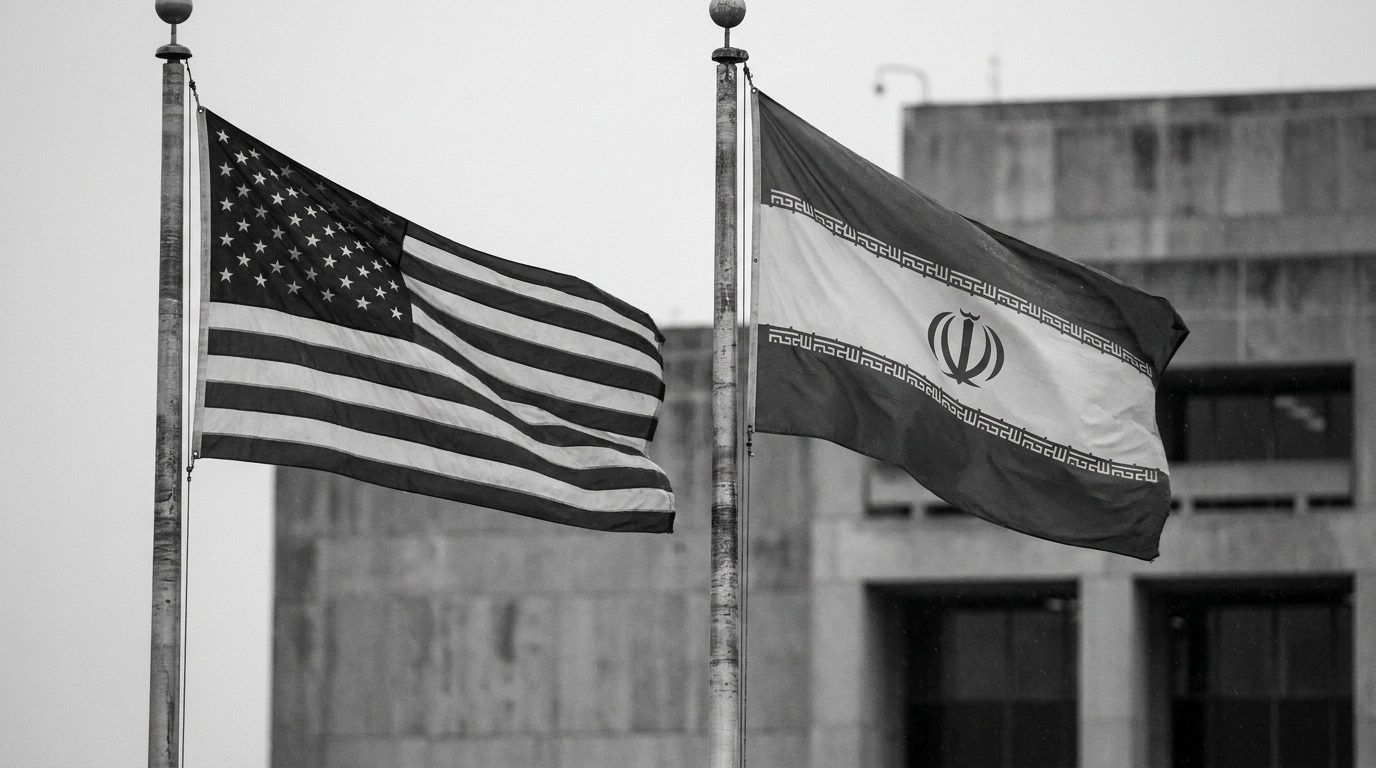
Strait of Hormuz traffic is still flowing, U.S. Central Command said, after Iran declared the waterway closed and U.S. forces struck Iranian targets.
The confrontation escalated after U.S. forces launched another round of strikes overnight in response to an attack on the Cyprus-flagged M/V GFS Galaxy. U.S. Central Command said the ship was hit while transiting the strait, leaving one crew member missing and the vessel unable to proceed.
Central Command said Saturday night that the U.S. operation had ended after strikes on 140 Iranian military targets. The list included missile positions, drone infrastructure, naval assets and coastal surveillance facilities, according to the command.
Iran challenges a vital passage
The immediate trigger was Iran’s assertion that the Strait of Hormuz had been closed to shipping. The Islamic Revolutionary Guard Corps navy blamed foreign involvement and accused several vessels of attempting to move through routes it said were not authorized.
Central Command rejected Iran’s claim of control over the waterway and said commercial movement was continuing. “Iran does not control the strait. Traffic is flowing,” the command said.
The U.S. statement on the new strikes did not directly address Iran’s closure declaration. It focused instead on the attack on the M/V GFS Galaxy, the condition of the ship and the military targets struck afterward.
GFS Galaxy attack drives response
The M/V GFS Galaxy suffered a blaze and damage in its engine room, according to Central Command. The command said the damage meant the container ship could not continue its voyage, turning the incident from a warning into a direct disruption of a commercial transit.
Central Command said the strikes were ordered by President Donald Trump. It framed the operation as an effort to reduce Iran’s ability to attack civilian mariners and commercial vessels using the strait.
The confrontation places shipping operators, insurers and charterers in a more difficult operating environment even if the waterway remains open. A declared closure, a damaged vessel and U.S. strikes on coastal surveillance and naval targets together raise the cost of judging whether a transit is routine or exposed to military risk.
Scenarios hinge on vessel movement
If Central Command’s account holds and ships keep moving through the Strait of Hormuz, the global macro effect is likely to come through risk management rather than an immediate physical stoppage. For the M/V GFS Galaxy, the first company-level issue is recovery of the vessel, assessment of damage and the missing crew member. For the wider shipping sector, the mechanism would be higher caution around routing, crew safety and insurance terms.
If Iran tries to enforce its closure claim with further attacks, the mechanism changes from messaging to interdiction. That would pressure global supply chains through uncertainty over one of the world’s most closely watched maritime chokepoints, put the damaged vessel and its operator inside a broader security crisis, and force the shipping industry to weigh delay, diversion or guarded passage.
If U.S. strikes degrade Iran’s missile, drone, naval and surveillance capabilities as Central Command says they are intended to do, the waterway could remain open under a heavier military presence. The unresolved questions are whether Iran has the capacity and intent to renew attacks, whether other vessels are targeted, and how commercial shipowners interpret the gap between Iran’s declaration and U.S. assurances.