Tisha B’Av essay spotlights Israel’s internal fault lines, not a new regional shift
This Tisha B’Av opinion essay argues Israelis must confront internal fanaticism, framing the day as a moment for vital societal self-critique.
Omar Farouk ·
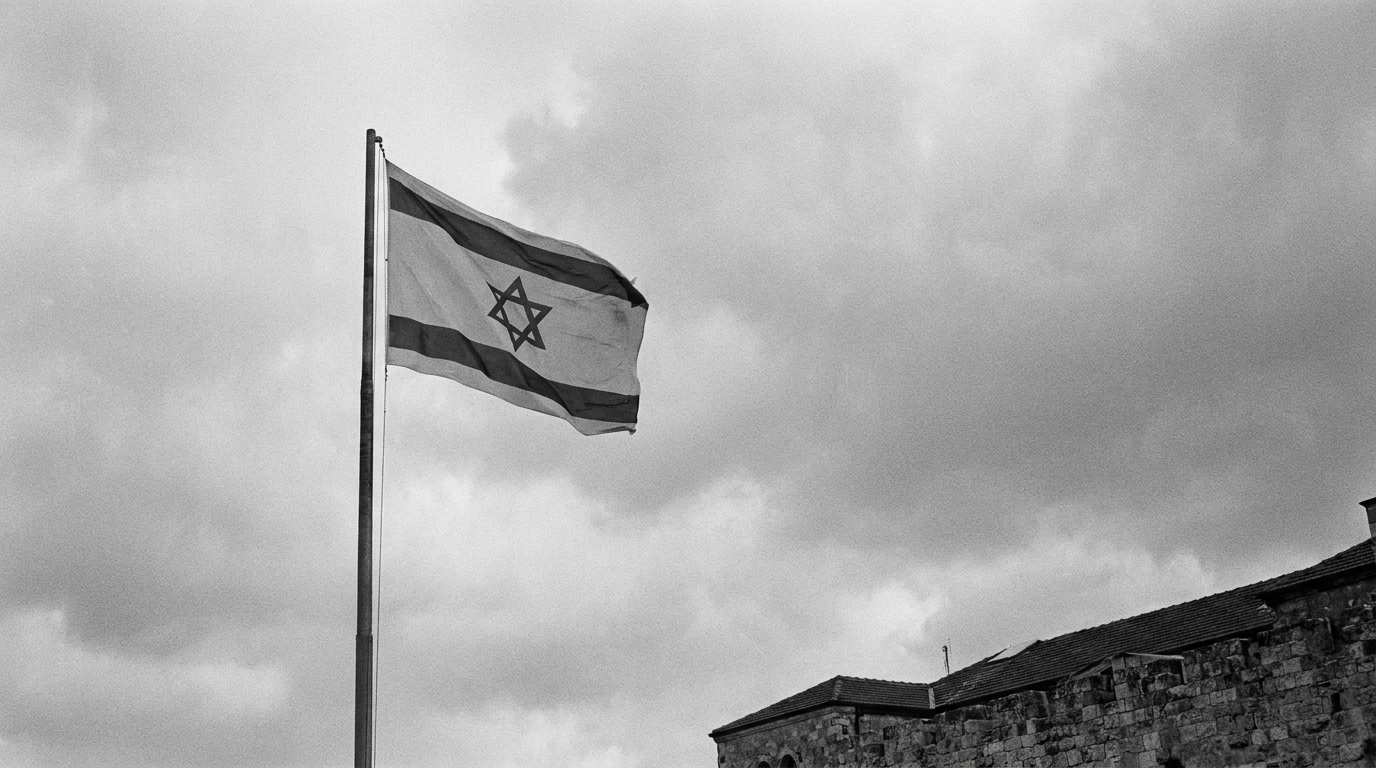
# Tisha B’Av essay spotlights Israel’s internal fault lines, not a new regional shift
An opinion piece published around Tisha B’Av uses the Jewish day of mourning to argue that Israel must confront internal fanaticism and a fraying sense of shared national purpose. The argument is framed as reflection and warning, not as a report of a government decision, military operation, or diplomatic move with immediate regional consequences.
Tisha B’Av is a major date in the Tisha B’Av is a major date in the Jewish calendar, marked by fasting and mourning customs that recall historic catastrophes in Jewish history, including the destruction of the First and Second Temples in Jerusalem. In Israel, it often serves as a point of public conversation about social cohesion, religion and state, and what national solidarity means under stress.
The essay’s central claim is that many people “go through the motions” of observance while missing the deeper lesson, which it links to contemporary internal conflict. As an opinion format, it reflects the author’s interpretation rather than a new institutional position from the Israeli government, the Israel Defense Forces (IDF), or an official religious authority.
Even when it is not “hard news,” commentary tied to national religious moments can map pressure points inside Israeli society that shape politics and security indirectly. Internal polarization, disputes over the role of religion in public life, and debates over national identity can influence coalition stability, policy bandwidth, and the public’s tolerance for prolonged security campaigns.
Its value for Middle East watchers is as Regionally, however, this specific signal does not point to a measurable change in Israel’s posture toward neighboring states, Iran, or non-state actors, nor does it describe a new development affecting oil markets or key shipping corridors like the Strait of Hormuz or Bab al-Mandab. Its value for Middle East watchers is as a snapshot of domestic discourse, not as a trigger for immediate spillover.
By 2026-08-15, watch for any tangible follow-through from Israeli political or civic institutions that would translate this kind of internal critique into action: for example, a formally announced government initiative, parliamentary debate, or a decision by a major religious or civil body addressing incitement or political violence. If such an institutional step appears, it would suggest the discussion is moving beyond commentary into policy or enforcement; if it does not, the episode is likely to remain a seasonal flashpoint in public debate rather than a driver of near-term regional dynamics.