US-Iran conflict lifts oil as Trump weighs new strike risks
The US-Iran conflict pushed oil higher after an 11th day of strikes, raising risks for energy markets, inflation and US politics.
Atlas Newsdesk ·
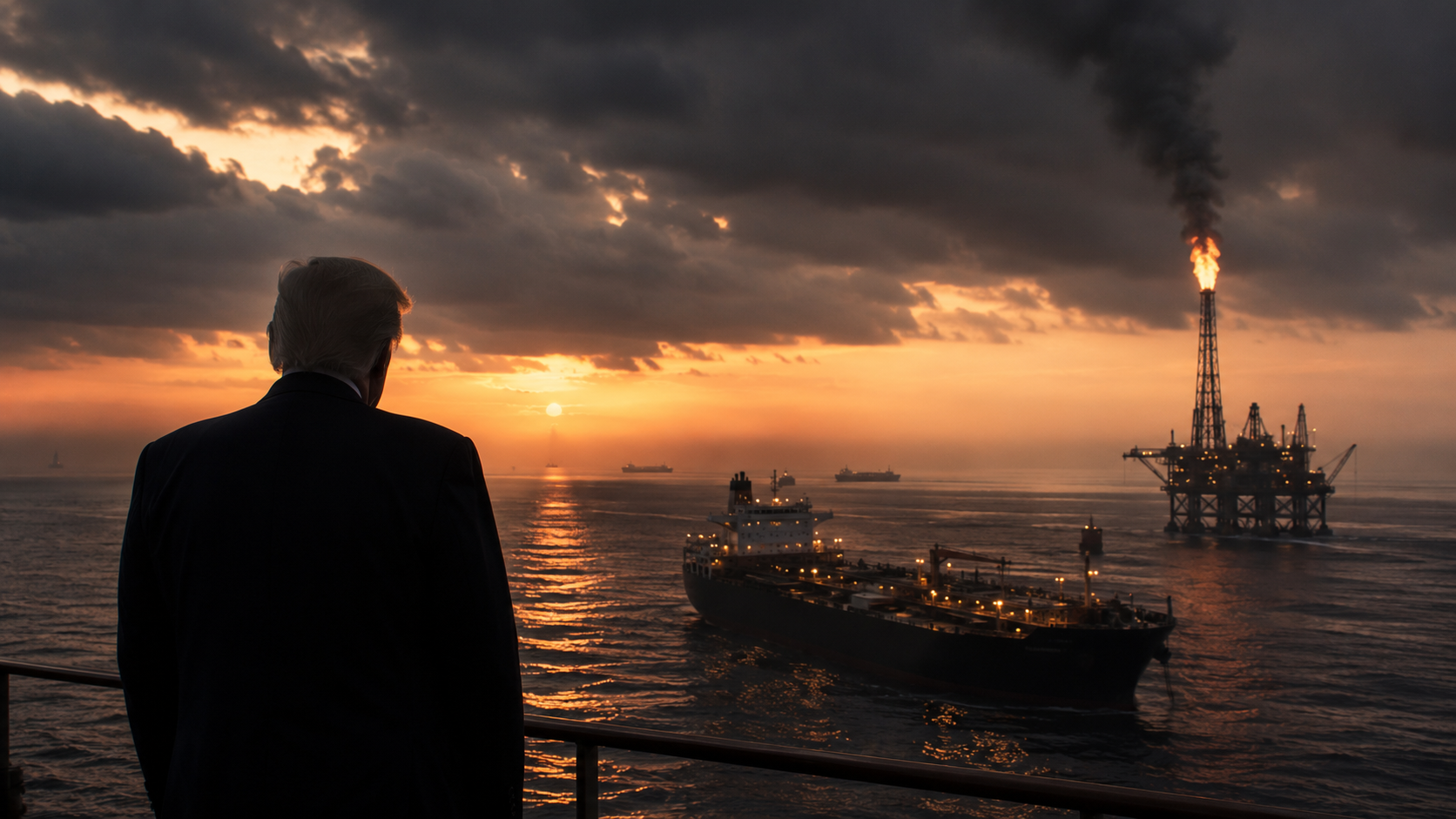
US-Iran conflict jolted oil markets after US strikes entered an 11th day. A reported truce frayed as both sides signaled readiness to intensify pressure.
The latest escalation came as US President Donald Trump raised the possibility of hitting an underground nuclear facility in Iran. His secretary of state said Tehran was “not serious about talks,” while Iran’s supreme leader warned that the US would face “unforgettable lessons.”
Hormuz risk lifts crude
Oil prices rose 4% as traders weighed the risk that the fighting could disrupt shipping near the Strait of Hormuz. Goldman Sachs forecast prices could climb 30% by year-end if traffic through the waterway remains restricted.
The Strait of Hormuz matters because the source account identifies it as the central transport risk in the crisis. When market access through a major oil route narrows, buyers tend to bid up barrels that can move reliably, and refiners face higher input costs.
The forecast from Goldman Sachs is conditional, not a base fact about where prices will finish the year. Its mechanism is straightforward: if fewer cargoes can pass through the strait, available supply tightens and buyers pay more to secure replacement flows.
Trump faces pressure at home
The military track is not the only constraint on Washington. The account says Republicans are worried about the war’s political cost ahead of midterm elections, giving Trump a domestic calculation alongside the strategic one.
US Treasury yields also reached a two-month high, according to the account, as investors focused on inflation risks. Higher oil prices can feed into fuel and transport costs, which can complicate rate expectations and government borrowing conditions.
That pressure creates a two-front problem for the White House. A harder line may be intended to force concessions from Tehran, but a prolonged conflict could raise household costs and sharpen political criticism before voters return to the polls.
Three paths from here
If strikes continue and Hormuz traffic stays curtailed, the global macro effect would likely run through higher energy prices and renewed inflation pressure. For the Trump administration, that would deepen the trade-off between projecting military resolve and containing domestic economic pain. For the wider oil sector, producers with accessible supply may benefit, while refiners and transport-heavy industries face higher costs.
If the two sides restore a truce and shipping normalizes, the market mechanism would run in reverse. Oil risk premiums could ease, Treasury inflation worries could cool, and the administration would gain room to argue that pressure produced restraint. Energy companies would then shift focus back from disruption risk to ordinary supply, demand and margin trends.
If the conflict widens to include a strike on an underground nuclear site, the most immediate uncertainty would be Iran’s response. A sharper retaliation could push markets to price a longer disruption, while a limited response could contain the shock. The open questions are whether Hormuz traffic remains restricted, whether talks restart, and whether US domestic politics becomes a binding limit on further action.