

Internal Democratic Policy Divisions Signal Stagnation in U.S. AI Governance
Internal Democratic Party divisions between regulatory, economic, and national security factions are expected to result in two years of stalled or…
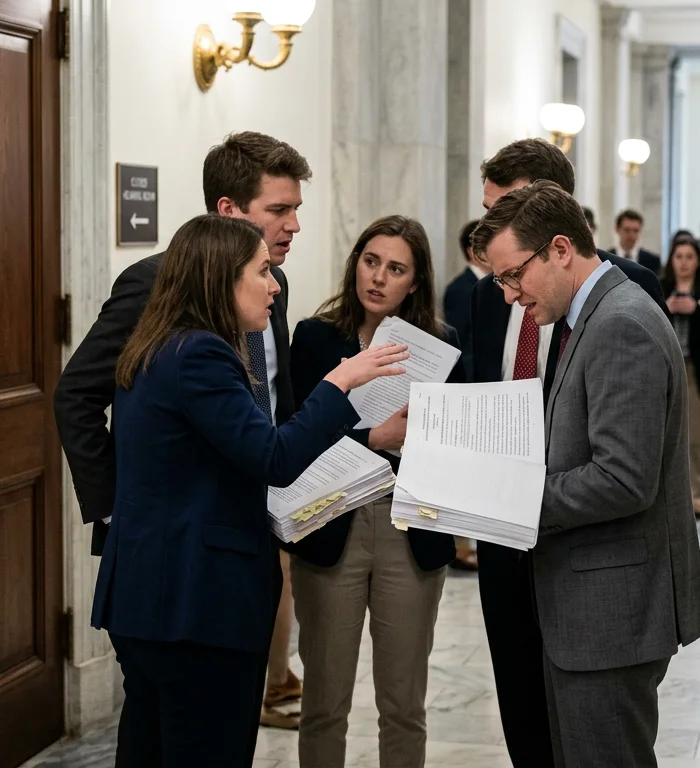
The Democratic Party’s control of the legislative machinery following the recent midterm elections is unlikely to produce coherent artificial intelligence policy due to deep internal divisions. The party is currently split into three distinct factions: the Restrainers, the Riders, and the Racers. These competing priorities create a high probability of policy gridlock over the next two years, potentially ceding strategic advantages to international competitors.
The Restrainers prioritize the regulation of AI infrastructure, specifically targeting the proliferation of data centers and demanding corporate accountability for model safety. This faction gained political momentum during the midterms, with several successful candidates campaigning on opposition to data center expansion. Legislative efforts from this group, including potential national moratoriums, directly conflict with the economic objectives of other party members.
The Riders focus on maintaining AI-driven economic growth to prevent a recession ahead of the 2028 elections. This group advocates for minimal regulatory intervention to protect capital expenditure, stock market stability, and retirement savings. Market volatility following the midterms, characterized by significant declines in the S&P 500 and Nasdaq, underscores the sensitivity of this faction to legislative threats against the tech sector.
The Democratic Party
The Racers prioritize national security, specifically the containment of technological advancement by foreign adversaries. This group seeks to restrict the flow of sensitive chips and AI capabilities to competitors. Their agenda is further complicated by recent instability in the leadership of key industry players and the ongoing threat of executive vetoes from the White House, which may be used to obstruct Democratic legislative initiatives.
These conflicting impulses suggest that U.S. technology policy will remain fragmented. The inability to reconcile the demand for safety, the need for economic growth, and the imperative of national security leaves the regulatory landscape vulnerable to uncertainty. Policymakers should anticipate continued legislative friction and a lack of unified federal standards for the AI industry.
More stories
- FCC approves prison cellphone jamming despite 2.5-mile warning
- Congress tests Black Democrats' growing policy influence
- Cotton faults Lutnick over AI chips allegedly sent to China
- Vance declines to back Iran strikes as Trump defends war
- Paul seeks 20%-30% federal credit for U.S. film shoots
- Trump targets data centers abroad with tax threat to firms
Latest news
- Trump prepares tariffs on China and other major exporters
- New-car buyers pay record average $50,087 in October
- Banks face ECB reserve debate over liquidity and profits
- Investors see Anthropic debut gains fade below $83 a share
- Iraq orders federal control over Kurdish-area oilfields
- Germans oppose Ukraine aid as poll shows support slipping
- Kim Jong-un receives 10 envoys after constitutional shift
- Ukraine claims Libya strike sinks Russian naval corvette