Takaichi Cabinet reshuffle puts coalition role in focus
Sanae Takaichi is weighing a September Cabinet reshuffle that could shape tax policy, coalition ties and her 2027 LDP leadership bid.
Mei Lin ·
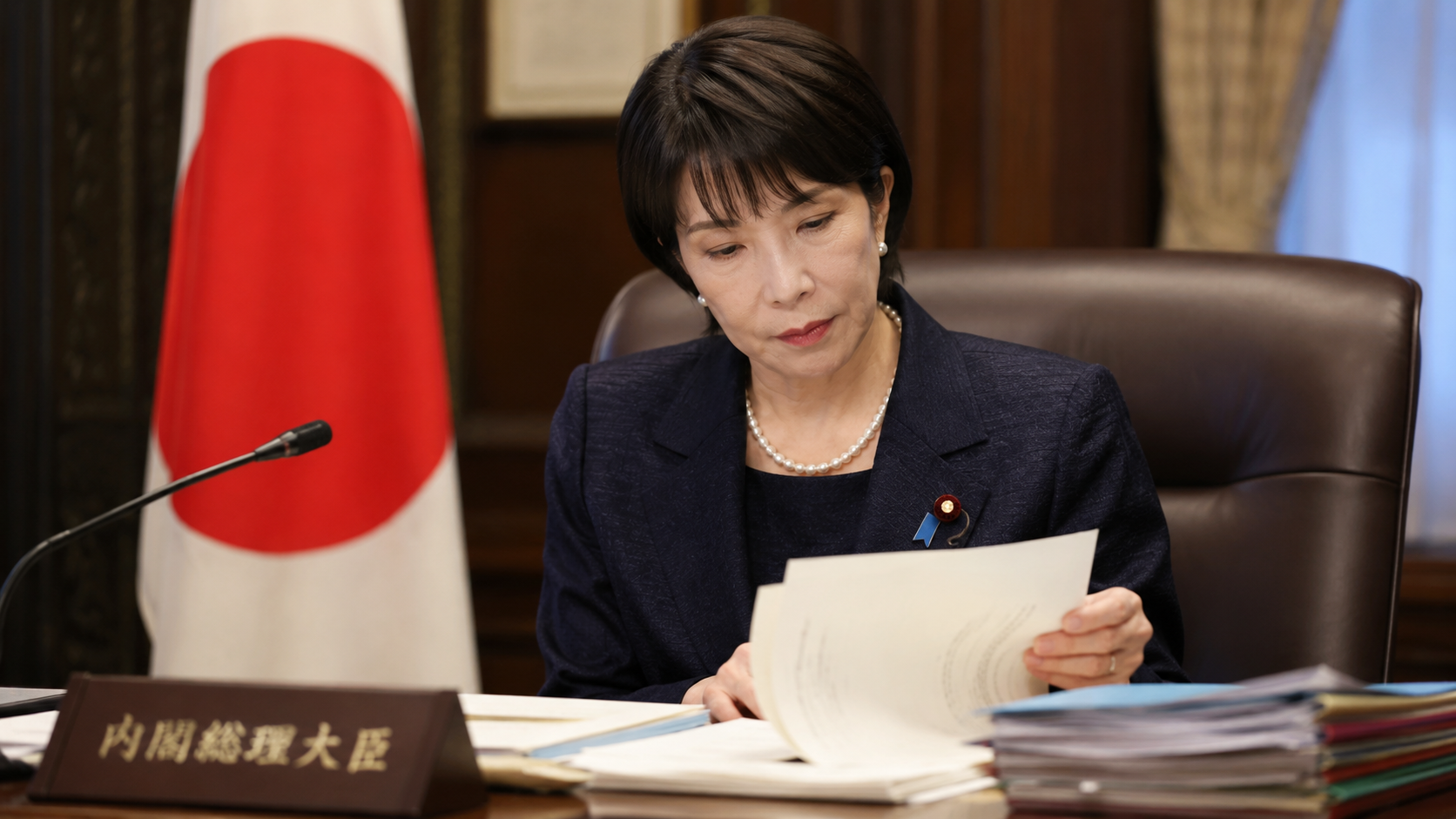
The Takaichi Cabinet reshuffle planned for September could reset Japan’s ruling team before tax changes and a 2027 LDP leadership race.
People familiar with the matter said Prime Minister Sanae Takaichi is considering changes to both her Cabinet and the Liberal Democratic Party’s executive ranks in mid-to-late September. It would be her first ministerial reshuffle since she took office last October, giving the personnel decisions unusual weight inside the ruling party.
September calendar narrows choices
The timing is tied to a crowded political month. The government plans to adopt a tax reform package in mid-September that includes a consumption tax cut for food, while Okinawa holds a gubernatorial election on September 13.
Takaichi is also expected to travel to the United States in late September for a United Nations General Assembly session. A Liberal Democratic Party source said Friday that a reshuffle was likely after the tax package is adopted, placing fiscal policy before personnel politics in the sequence of decisions.
The Okinawa vote matters to the ruling bloc because it can test local support before Takaichi turns to national party management. If the coalition performs poorly there, the personnel choices may have to account for internal demands for balance rather than only loyalty.
Kihara role anchors continuity
Chief Cabinet Secretary Minoru Kihara is expected to remain in his post if Takaichi proceeds with the reshuffle, according to people familiar with the planning. Kihara is regarded inside the administration as a close conservative ally of the prime minister and a central operator in daily government management.
One aide to Takaichi described Kihara as essential to the administration, saying, “Kihara is irreplaceable.” Keeping him would signal that the prime minister wants continuity at the government’s coordination center even as she changes other posts.
Takaichi also plans to ask the Japan Innovation Party, the LDP’s coalition partner, to take a Cabinet position. If accepted, that step would give the coalition partner a formal seat in the executive branch and could make it more directly accountable for the tax package and other government decisions.
The reshuffle would therefore serve two purposes at once: replacing or repositioning ministers, and tightening the political structure around the prime minister before the next LDP leadership contest. Takaichi’s goal, according to the people familiar with the plan, is to create conditions that help her seek another term as party president in 2027.
Suzuki post tests Aso leverage
The main party-side question is whether LDP Secretary-General Shunichi Suzuki stays in place. Some in the party speculate that Koichi Hagiuda, now executive acting secretary-general, could be elevated to Suzuki’s role.
Suzuki’s position carries broader factional meaning because he is a brother-in-law of LDP Vice President Taro Aso. Aso leads the only remaining faction in the party, and his support is viewed within the LDP as important to Takaichi’s chances of securing a second term as party president.
The prime minister must also decide how to handle several figures who ran against her in the previous LDP leadership race. Defense Minister Shinjiro Koizumi, internal affairs minister Yoshimasa Hayashi, Foreign Minister Toshimitsu Motegi and LDP policy chief Takayuki Kobayashi are all being watched for signs of promotion, retention or removal.
A senior LDP member said Hayashi may want to leave the Cabinet to prepare for the next party leadership election. If he exits, the move could give him more room to organize a challenge, while allowing Takaichi to fill the internal affairs portfolio with someone more closely aligned with her administration.
Questionnaires start the count
The LDP on Thursday sent questionnaires to its members in the Lower House asking what posts they wanted, with replies due the following Tuesday. Such surveys can help party leaders identify ambitions, contain grievances and measure whether personnel decisions will create new opponents.
If Takaichi reshuffles after the tax package and keeps Kihara, the government would preserve its core operating team while trying to broaden coalition ownership of fiscal policy. For Japan’s macro picture, the food tax cut would remain the central policy signal; for the Takaichi administration, the risk would be whether personnel changes dilute discipline before the 2027 contest.
If instead the reshuffle becomes a vehicle for managing rivals, the party balance could matter more than policy continuity. That path would affect the LDP by clarifying who is inside Takaichi’s governing circle, while the wider political sector would read the appointments as an early map of the next leadership race.