SAVE America Act Fight Puts Senate Rules in Focus This Week
Johnson plans to advance the SAVE America Act through reconciliation after House conservatives stalled floor business over the voter ID bill.
Lauren Collins ·
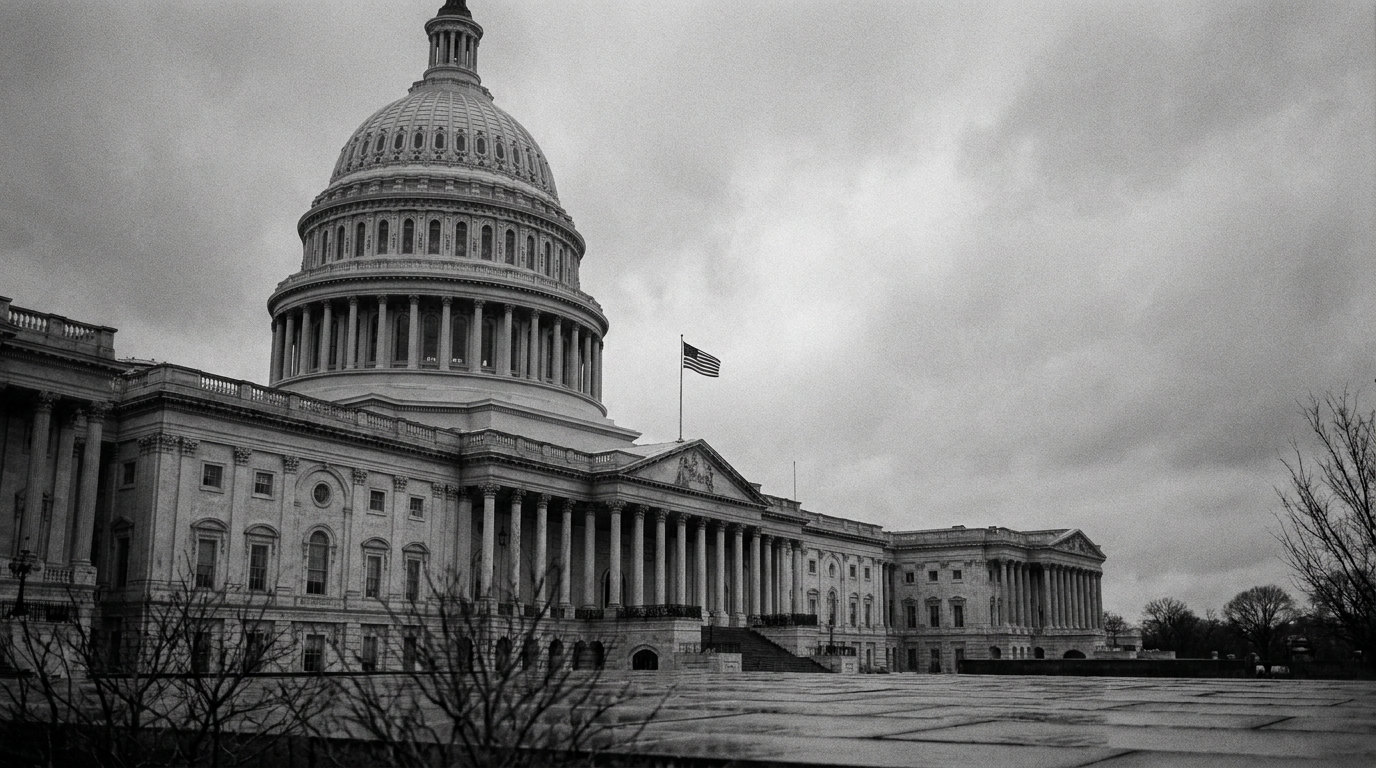
The SAVE America Act is set for another House push as Speaker Mike Johnson turns to budget reconciliation to satisfy Trump and GOP hardliners.
Johnson said he wants the voter ID legislation advanced soon after lawmakers return to Washington, following a House shutdown triggered by Republican dissent. The fight has become a test of whether GOP leaders can convert unified party control into a Senate-ready elections bill.
Johnson turns to reconciliation
The speaker said in a Sunday television interview that sending members home before July Fourth was meant to cool the chamber, not concede the floor to rebels. “The big urgency is to get SAVE America passed. The president has that as a top priority, and so do I,” Johnson said.
His preferred route is budget reconciliation, the fast-track fiscal procedure that can clear the Senate with a simple majority if the package meets chamber rules. Republican leaders see that path as the clearest way around a filibuster threshold that Senate GOP leaders say they cannot meet.
Hardliners freeze House votes
The immediate break came when a small conservative bloc, led by Florida Rep. Anna Paulina Luna, blocked a procedural vote needed to move several bills. Their objection was narrow but disruptive: Congress had not delivered the SAVE America Act to Trump’s desk.
The episode exposed a familiar problem for Johnson, whose majority can be slowed by a handful of members willing to use floor procedure as leverage. It also gave Trump’s demand a sharper edge, turning an elections bill into a pressure point across the Republican agenda.
Trump has already kept a critical intelligence nomination from advancing and declined to sign a major bipartisan housing package, according to the account of the dispute. Those moves raise the cost of delay for lawmakers who want other priorities cleared before the legislative calendar tightens.
Senate math drives the tactic
Johnson argued that the House has already passed versions of the voter ID measure more than once. “We’re going to try one more time on a budget reconciliation bill, and I think that will be the way to get it through the Senate, and finally to the president’s desk,” he said.
The strategy rests on a procedural bet. If the elections language can be attached to a budget vehicle and survive Senate review, Republicans could move without Democratic support; if it cannot, the party returns to the 60-vote barrier its own Senate leaders have flagged.
Trump repeated his demand during a late-night National Mall speech marking the country’s 250th anniversary, in front of a crowd that included several Republican lawmakers. “America is back, and we want to keep America great, and we will do so by approving the SAVE America Act,” he said.
Three routes for Republicans
If reconciliation holds, the global macro effect would be less about fiscal totals than U.S. governing capacity: markets and foreign governments would see Republicans using budget rules to settle a domestic political fight. For Trump, it would deliver a priority bill; for election administration, it would push voter ID requirements into a national debate over compliance and implementation.
If Senate rules or internal GOP resistance block the maneuver, Johnson faces renewed pressure from conservatives and Trump may keep using nominations or unrelated bills as leverage. The housing package would remain exposed to political bargaining, while the broader congressional agenda could lose floor time to procedural standoffs.
A narrower compromise is also possible if leaders reshape the proposal to fit reconciliation limits. That would give Johnson a partial victory, reduce pressure on the Trump administration’s stalled priorities, and leave states, voting-rights groups and election officials preparing for a more limited federal change rather than the full bill conservatives want.