Independence Day parade halted by 115F DC heat warning
Organizers canceled Washington’s Independence Day parade after officials warned the DC heat index could reach 110F to 115F.
Lauren Collins ·
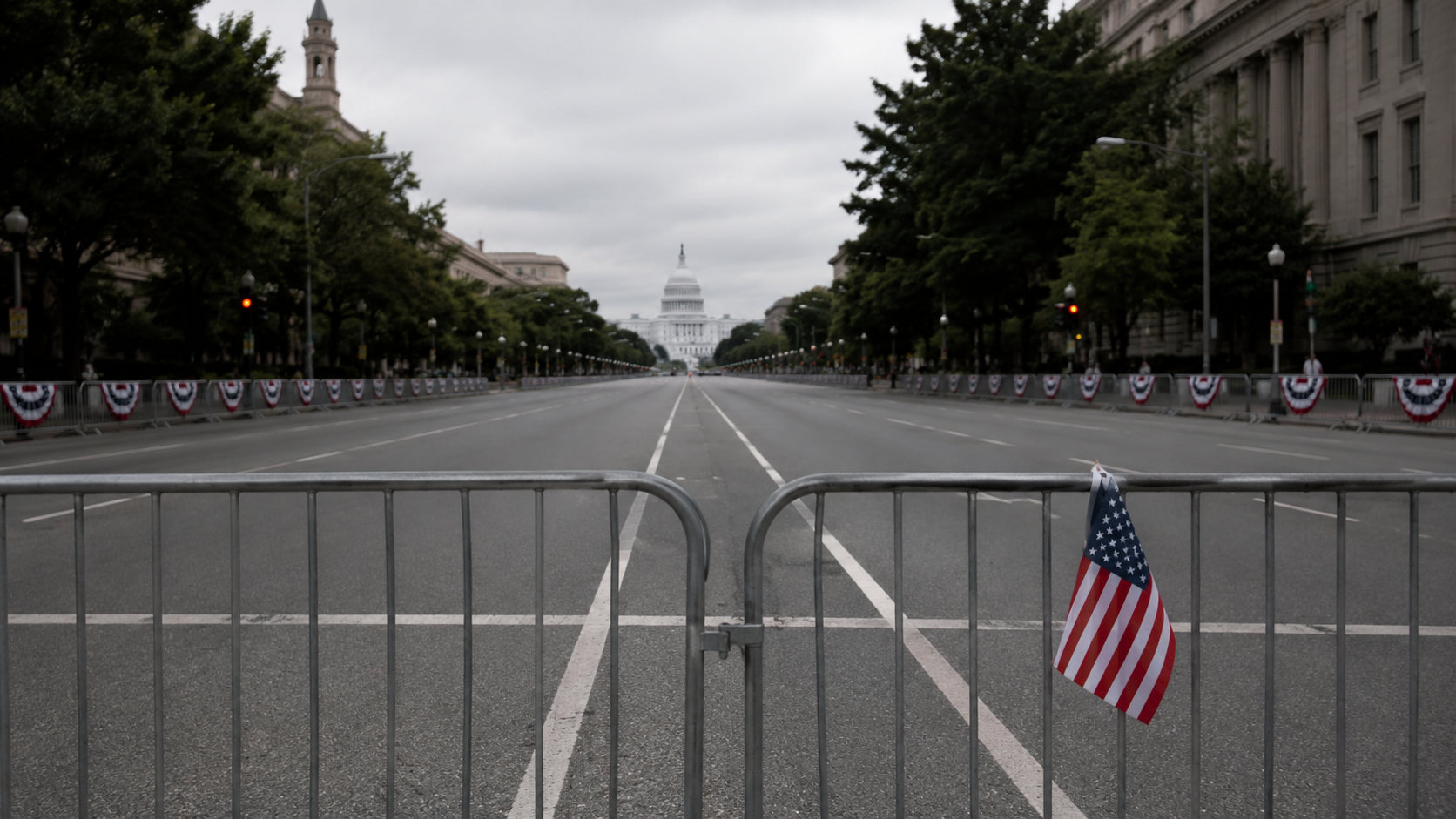
Organizers canceled Washington’s Independence Day parade after an Extreme Heat Warning put Saturday heat index values at 110F to 115F.
The parade had been set for 10:30 a.m. Eastern time on Saturday, the 250th anniversary of the United States' independence, organizers said in a late Friday email. They said the decision came after weighing public safety, writing: "This decision was made after extensive and careful consideration of the safety of our participants, spectators, and staff as the top priority."
DC warning reaches 115F
The immediate trigger was an official heat alert, not a routine summer forecast. The National Weather Service issued the warning for Washington, according to organizers, as a heat dome remained over the eastern United States.
The expected 110F to 115F heat index placed the morning parade inside a danger zone for a large outdoor gathering. The cancellation came before crowds, performers and staff moved into the route, reducing the risk of long exposure during setup, staging and travel.
Heat dome stretches east
The Weather Prediction Center said more than 197 million people from Kansas to Maine were under warnings and advisories tied to extreme heat on Friday. That footprint showed the Washington cancellation was part of a regional weather event rather than an isolated city decision.
The heat wave has pushed triple-digit temperatures into many American cities, according to the source information. For local governments and event organizers, that creates a practical problem: celebrations built around outdoor crowds can become health-management operations when alerts cover much of the day.
Ceremony yields to safety
The symbolic cost was clear because the parade was tied to the 250th anniversary of American independence. The operational risk was clearer: participants, spectators and staff would all have faced the same heat conditions, and organizers named those groups directly in explaining the cancellation.
The affected parties extend beyond the parade route. Vendors, security teams, transportation staff and nearby businesses often depend on large public events, while emergency services must plan for heat illness risk when crowd size and heat index rise together.
If the forecast heat index reaches the 110F to 115F range, the cancellation limits direct exposure but leaves a narrower day for tourism, retail and public programming tied to the anniversary. For the global macro picture, one parade has a limited direct effect; the broader mechanism is repeated disruption to outdoor labor, travel and consumer activity when high heat covers a large region.
If official alerts begin to narrow across the Kansas-to-Maine corridor, the main effect would be local rather than regional: Washington organizers could focus on whether any ceremonial elements can be shifted, while the wider events sector resumes normal scheduling. If the heat dome instead keeps triple-digit conditions across many cities, the same safety calculus could pressure more outdoor gatherings and raise staffing, medical and insurance burdens for event operators.
The central uncertainty is duration. The next useful signal will come from official heat alerts, because those warnings determine whether organizers can plan around the heat or must continue treating it as the dominant constraint on public events.