Trump rally splits tone of America's 250th birthday party
Trump rally plans on the National Mall will test security, weather and civic unity as the U.S. marks 250 years since July 4, 1776.
Lauren Collins ·
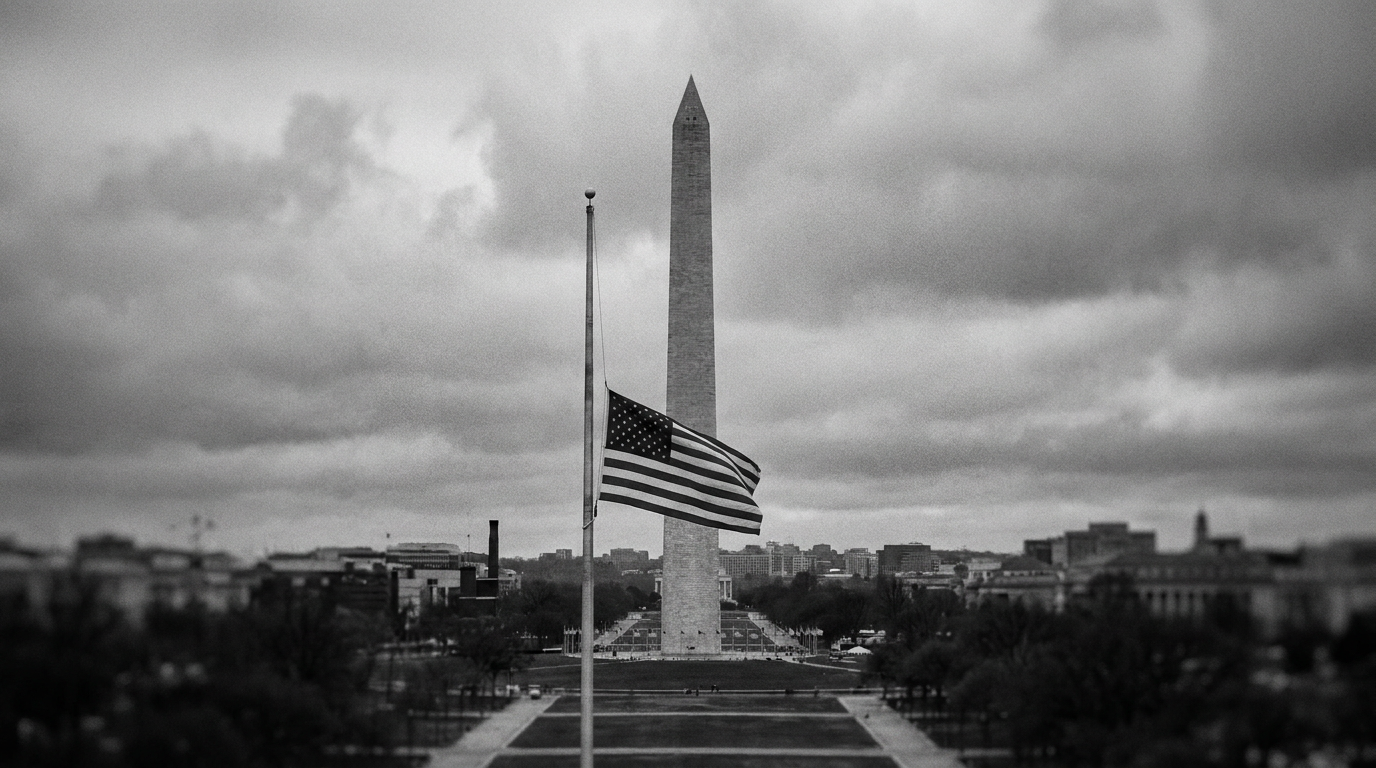
Trump rally plans will put President Donald Trump at the center of America's 250th anniversary events in Washington on Saturday. Security is tighter.
The president is set to appear in the evening on secured National Mall grounds, turning the country's milestone birthday into a ceremony with unmistakable campaign-style features. The setting matters because Washington's July 4 program is normally built around public pageantry, family crowds and a fireworks show framed as a national civic ritual.
National Mall gets fenced
Trump has promoted the appearance as the largest rally of his political brand, with military aircraft expected overhead and an expanded fireworks display planned near the capital's monuments. The source account said the area will be fenced, giving the event a controlled perimeter in a place usually associated with open public access on Independence Day.
That security posture changes the feel of the holiday for visitors who may be used to moving more freely between the Lincoln Memorial, the Washington Monument and the Capitol-facing lawns. The added barriers also sharpen the central tension of the day: a national commemoration is being staged with the vocabulary and logistics of partisan politics.
Past presidents generally avoided making themselves the central figure in the capital's annual Independence Day celebration. Trump's decision to do the opposite fits a broader political style that treats public ceremonies as mass-audience moments, not just official observances.
Philadelphia marks 1776 origins
The anniversary reaches back to July 4, 1776, when the Declaration of Independence made Philadelphia central to the American founding story. This year, the city is planning cupcake giveaways and a six-hour pop concert as part of its holiday program.
Other cities are building their celebrations around more traditional public spectacles. New York is expected to feature tall ships arriving from abroad, while communities nationwide are preparing parades and fireworks for the patriotic holiday.
The contrast gives the weekend two distinct registers. One is familiar: local events, historic symbolism and summer crowds. The other is more politically charged: a sitting president using the capital's most symbolic public space for a rally-like appearance during the anniversary year.
Heat, storms and access
Weather could become a practical test before politics does. Visitors in Washington may face thunderstorms, and temperatures could rise above 100F, or 38C, adding heat stress to a day already shaped by security screening and crowd management.
The annual Washington celebration typically attracts hundreds of thousands of people, which means even small changes to access can alter movement across central parts of the city. Fencing, checkpoints and road controls can slow arrivals, concentrate crowds and put more pressure on transit, police and emergency services.
For hotels, restaurants, vendors and tour operators, the event cuts both ways. A larger spectacle can increase foot traffic, but heavy security and severe heat can keep some visitors away from the busiest zones or shorten the amount of time they spend outside.
Three paths for the anniversary
If the event runs smoothly, the administration can claim it delivered a high-visibility anniversary program without major disruption. That would help Trump politically, reinforce Washington's role as the national stage for ceremonial power and support local businesses that depend on holiday crowds.
If storms, extreme heat or security delays dominate the day, the public memory may shift from patriotic pageantry to operational friction. That would weaken the event's political value for Trump, burden city services and make future large-scale holiday planning more cautious for organizers and tourism businesses.
If the rally tone overshadows the anniversary, the larger effect would be less logistical and more institutional. The U.S. celebration would still project military and civic symbolism abroad, but the domestic debate would focus on whether the presidency has further blurred state commemoration with campaign identity.
The immediate open questions are concrete: how large the crowd is, whether storms interrupt the program, how long access delays become and how sharply Trump frames the night in political terms. Those details will determine whether Saturday is remembered as a national birthday party, a partisan show of force or a complicated mix of both.