Tankers near Strait of Hormuz reroute under Iran pressure
At least eight ships reversed near Oman as Strait of Hormuz routing remains contested after a US-Iran reopening deal.
Lauren Collins ·
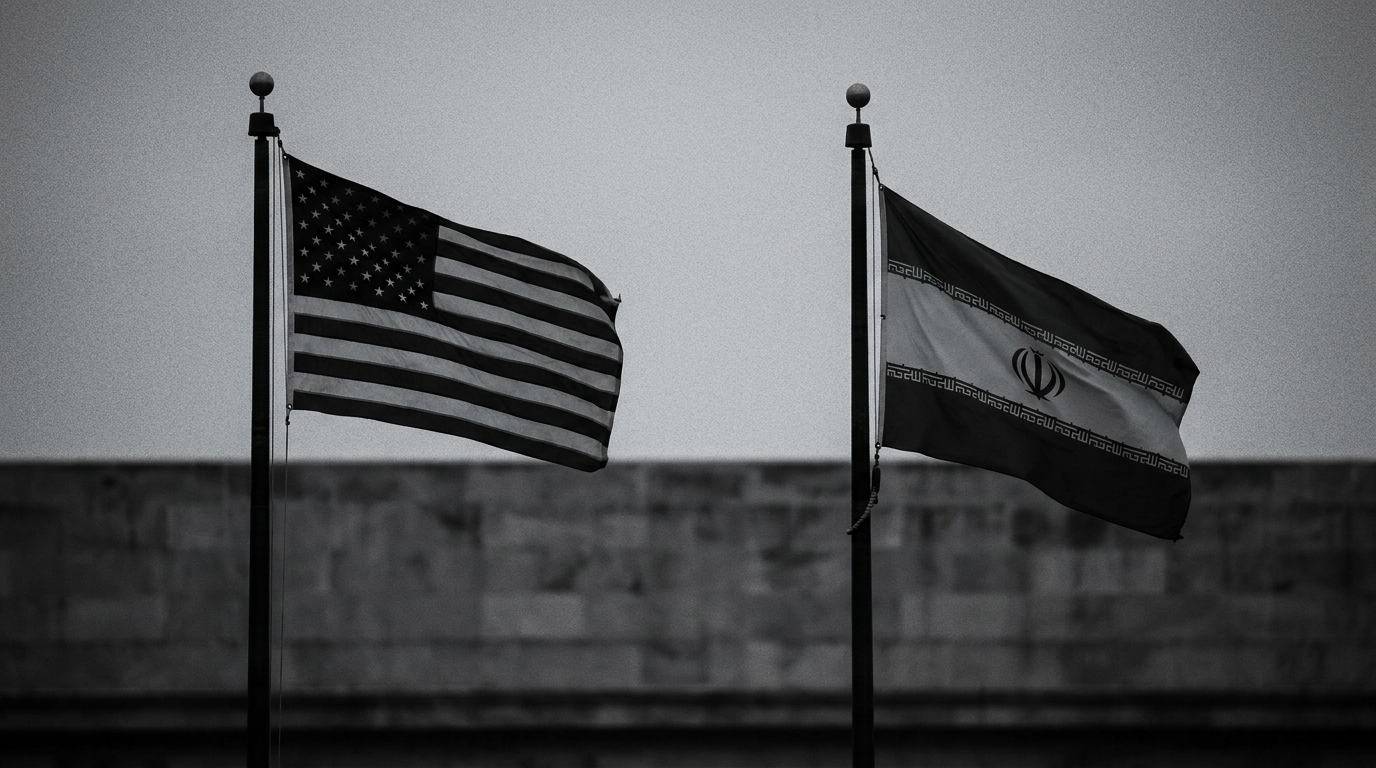
Strait of Hormuz transits remain uneven after at least eight outbound ships reversed near Oman between Friday and Saturday.
The ships were trying to leave the Persian Gulf along the Omani coast, according to ship-tracking data cited in the supplied material. The reversals point to a continuing contest over who controls passage through one of the world’s most sensitive maritime corridors.
Musandam turnbacks expose routing dispute
The vessels included oil tankers, product tankers, bulk carriers and vehicle carriers, according to the tracking data. Several reached the tip of the Musandam Peninsula, the narrow entrance to the waterway, before changing direction sharply.
The reason for the reversals was not established in the supplied material. Iran has repeatedly said ships should use only the crossing route it authorizes, a position that puts Tehran’s claimed authority at odds with transits supported along the Omani side.
After turning, one crude tanker, two product tankers and one bulk carrier moved north to use a route closer to Iran, according to the ship movements described. That pattern matters because routing decisions can determine whether a ship leaves the Gulf quickly, waits offshore or seeks protection from foreign naval support.
JMIC data shows partial recovery
The Joint Maritime Information Center reported that about 34 commodity vessels crossed the strait each day on average since Monday. That was higher than daily levels during much of the conflict period, but still below the pre-war pace described in the supplied material.
Between June 30 and July 1, 65 vessels crossed on the Omani side, JMIC data showed. Of those, 59 were supported by the US, indicating that naval backing remains central to the reopening effort even after a mid-June US-Iran deal aimed at restoring passage.
The tension is operational as much as diplomatic. Over recent months, ships attempting to exit the Gulf have reported radio warnings from Iranian forces saying they needed Tehran’s permission, according to the supplied material.
Tanker caution shapes oil flows
The risk calculation now sits with shipowners, tanker operators, charterers and crews. If crews believe a crossing may expose them to radio challenges, route disputes or physical danger, cargoes can be delayed even when a formal reopening agreement exists.
That hesitation feeds directly into the oil market. The Strait of Hormuz links Gulf producers to seaborne buyers, so uncertainty over safe passage can complicate schedules for crude, refined products and other commodities even before prices respond.
For Iran, continued insistence on an authorized route preserves leverage over a chokepoint it views as strategic. For the US, support along the Omani coast signals that it wants commercial traffic to move without accepting Tehran as the sole gatekeeper.
If ships continue to accept Iran-directed outbound lanes, the immediate effect could be smoother individual crossings but stronger Iranian influence over routing practice. That would leave global oil logistics less disrupted in the short term, while tanker companies and the broader shipping sector would have to price in a more political route map.
If more vessels instead hold to the Omani-side corridor with US support, the reopening agreement will face a sharper test at sea. The next indicators are the number of daily crossings, the share needing naval support and whether further vessels turn back at Musandam before committing to a route.