Saudi Pipeline Shutdown Unconfirmed Amid Red Sea Tensions
Reports of a Saudi East-West oil pipeline shutdown remain unconfirmed as Houthi forces continue to target shipping in the Red Sea.
Omar Farouk ·
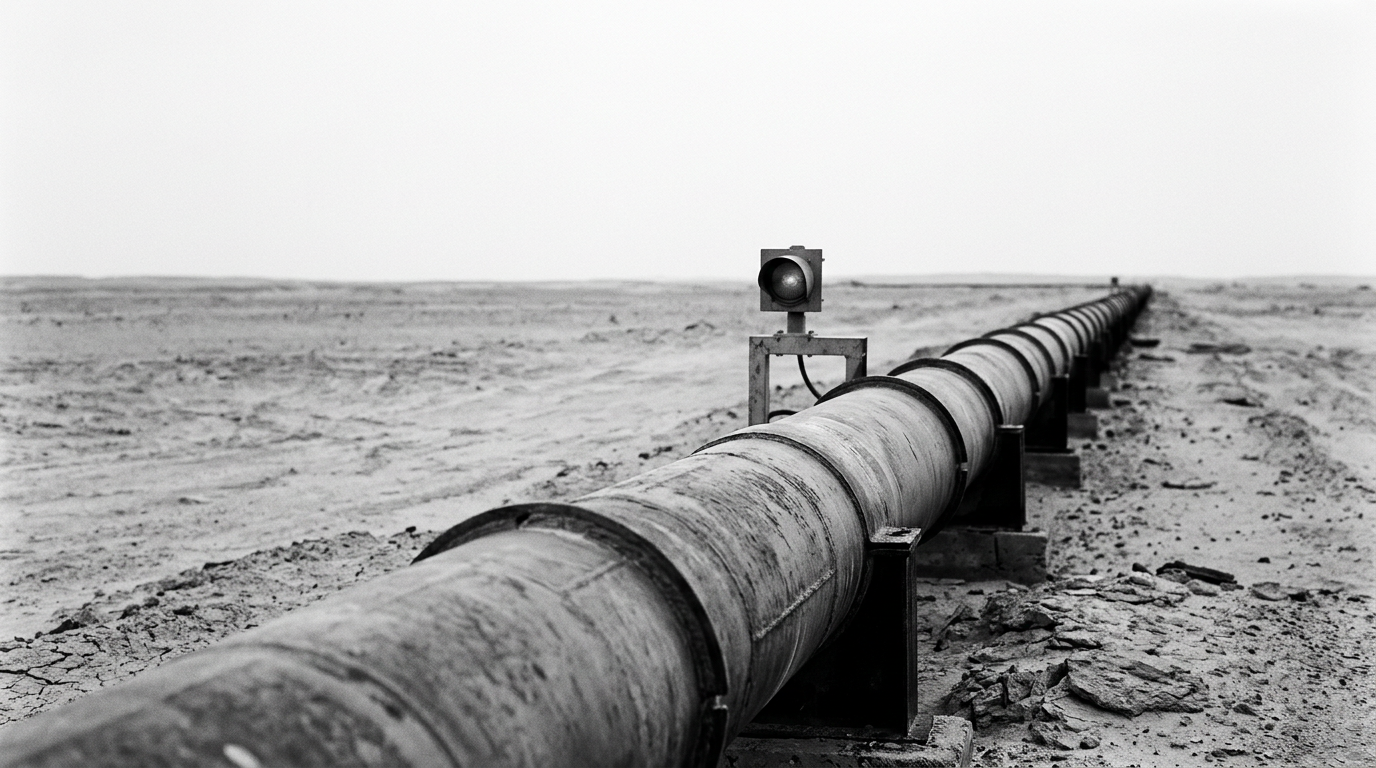
Reports that Saudi Arabia has shut down its East-West oil pipeline have not been confirmed by Saudi authorities, despite widespread circulation in some news outlets. The unsubstantiated claim emerged as Houthi forces continue to disrupt maritime traffic in the Red Sea, posing an ongoing challenge to global trade routes.
Yemen's Protracted Conflict Enters New Phase
The conflict in Yemen, ongoing since 2014, pits the internationally recognized government, backed by a Saudi-led coalition, against the Houthi movement, also known as Ansar Allah. The Houthis, who control much of northern Yemen and the capital Sana'a, aim to dislodge the Saudi-backed government and assert greater autonomy. The Islamic Revolutionary Guard Corps (IRGC) of Iran is widely reported to support the Houthi movement with arms and training, though both Iran and the Houthis deny direct military backing.
Previous Houthi attacks have included drone and missile strikes deep into Saudi territory, notably the 2019 assaults on the Abqaiq and Khurais oil facilities. These attacks temporarily halved Saudi oil production and demonstrated the Houthis' capability to target critical energy infrastructure far from Yemen's borders. The current wave of Red Sea attacks began in late 2023, with the Houthis stating their actions are in solidarity with Palestinians and aimed at Israeli-linked shipping or vessels bound for Israeli ports, although many targeted ships have no clear connection to Israel.
Global Energy and Shipping Lanes Threatened
The Bab al-Mandab Strait, a narrow choke point at the southern end of the Red Sea, is a vital maritime corridor for global trade, handling an estimated 12% of global trade and a significant portion of the world's oil shipments. Disruptions in this strait force shipping companies to reroute vessels around the Cape of Good Hope, adding significant time and cost to voyages. The Strait of Hormuz, at the mouth of the Persian Gulf, is another critical chokepoint for oil exports, primarily from Saudi Arabia, Iran, the United Arab Emirates, and Kuwait. While not directly targeted by current Houthi actions, its strategic importance underscores the fragility of regional energy supply routes.
The Group of Central Banks in the Gulf Cooperation Council (GCC) have voiced concerns over the economic fallout from prolonged shipping disruptions, noting potential impacts on inflation and regional economic stability. Escalations, such as a confirmed pipeline shutdown, could dramatically increase global oil prices and freight insurance premiums, further burdening economies already grappling with inflationary pressures. The United States and its allies have responded with naval deployments and airstrikes against Houthi targets in Yemen, aiming to deter further attacks and protect international shipping.
Repercussions for Oil Markets and Security
If the East-West pipeline were indeed shut down
If the East-West pipeline were indeed shut down due to Houthi actions, it would signal a significant escalation in their operational reach and ability to impact Saudi Arabia's core energy exports. This pipeline, also known as the Petroline, spans approximately 1,200 kilometers (746 miles) and has a capacity of around 5 million barrels per day, providing an alternative route for Saudi oil to bypass the Strait of Hormuz. A disruption to this pipeline would necessitate greater reliance on Gulf-side export terminals or reduced output, which could send crude oil prices higher.
A confirmed shutdown would likely prompt a more forceful international response, potentially involving expanded military operations or stricter sanctions against the Houthi movement and its alleged backers. Such a development would also trigger a re-evaluation of current deterrence strategies, which have largely focused on Red Sea maritime security rather than direct land-based energy infrastructure threats beyond Yemen's immediate borders.