Dubai Airport Weighs Underground Infrastructure for Security
Dubai Airports is considering subterranean fuel storage for its new mega-hub to mitigate regional security risks while maintaining a 250-million passenger…
Atlas Newsdesk ·
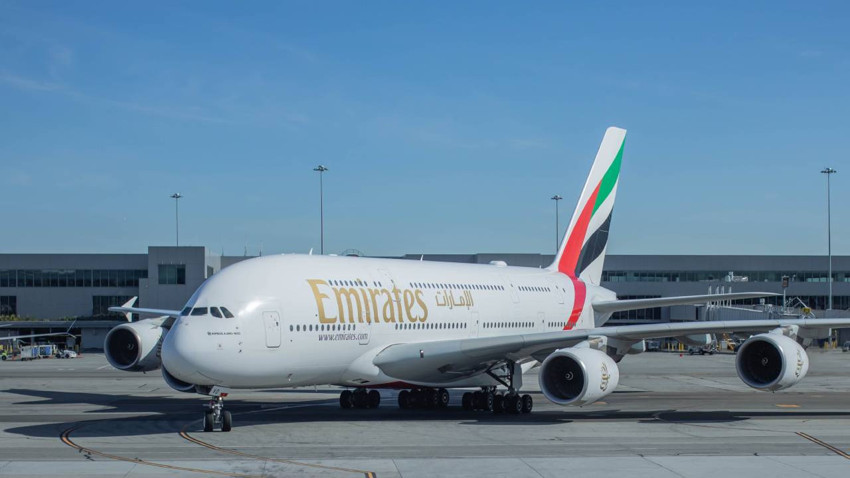
Strategic Infrastructure Hardening
Dubai Airports is exploring the integration of subterranean infrastructure for its upcoming mega-project to bolster resilience against potential security threats. Chief Executive Paul Griffiths indicated that essential components, such as fuel reservoirs, might be relocated underground to minimize vulnerability to aerial strikes.
This design shift follows regional instability that has impacted local airspace. Officials are currently evaluating the balance between construction expenditures, potential threat levels, and the necessity of maintaining uninterrupted operations during periods of heightened tension.
Operational Continuity and Risk
Previous incidents involving drone and ballistic missile activity near the facility have prompted a reassessment of site security. While past disruptions were brief, with flight schedules resuming shortly after incidents, the focus remains on long-term protection for energy supplies and command centers.
Implementing such defensive measures could influence insurance premiums, maintenance protocols, and overall project complexity. While these upgrades may increase initial capital requirements, they are intended to provide greater certainty for international carriers operating within the region.
Capacity Goals and Market Recovery
Despite regional volatility, the organization remains committed to its objective of handling 250 million passengers annually. This ambitious scale underscores Dubai's intent to sustain its position as a primary global transit hub, though the project timeline remains subject to security-focused design adjustments.
Passenger volumes experienced a significant decline earlier this year, dropping from 7.4 million in February to 2.5 million in March. Recent data suggests a steady recovery, with figures climbing to 6.3 million by July, as major airlines gradually resume services to the hub.
Broader Aviation Implications
The return of over 50 international carriers, including major European operators, signals a stabilization in market confidence. However, the pace of this recovery is partially constrained by airlines reallocating their fleets to alternative routes during the initial period of uncertainty.
The long-term success of the expansion project depends on the sustained stability of regional airspace. Should security risks escalate, the aviation sector may face increased pressure regarding fuel consumption and flight path adjustments, potentially impacting the operational efficiency of global transit networks.