US backs Africell loan with $100 million Angola focus
President Trump's administration will lend Africell $100 million, backing a US-owned telecoms operator as Washington challenges Chinese suppliers in Africa.
Amira Hassan ·
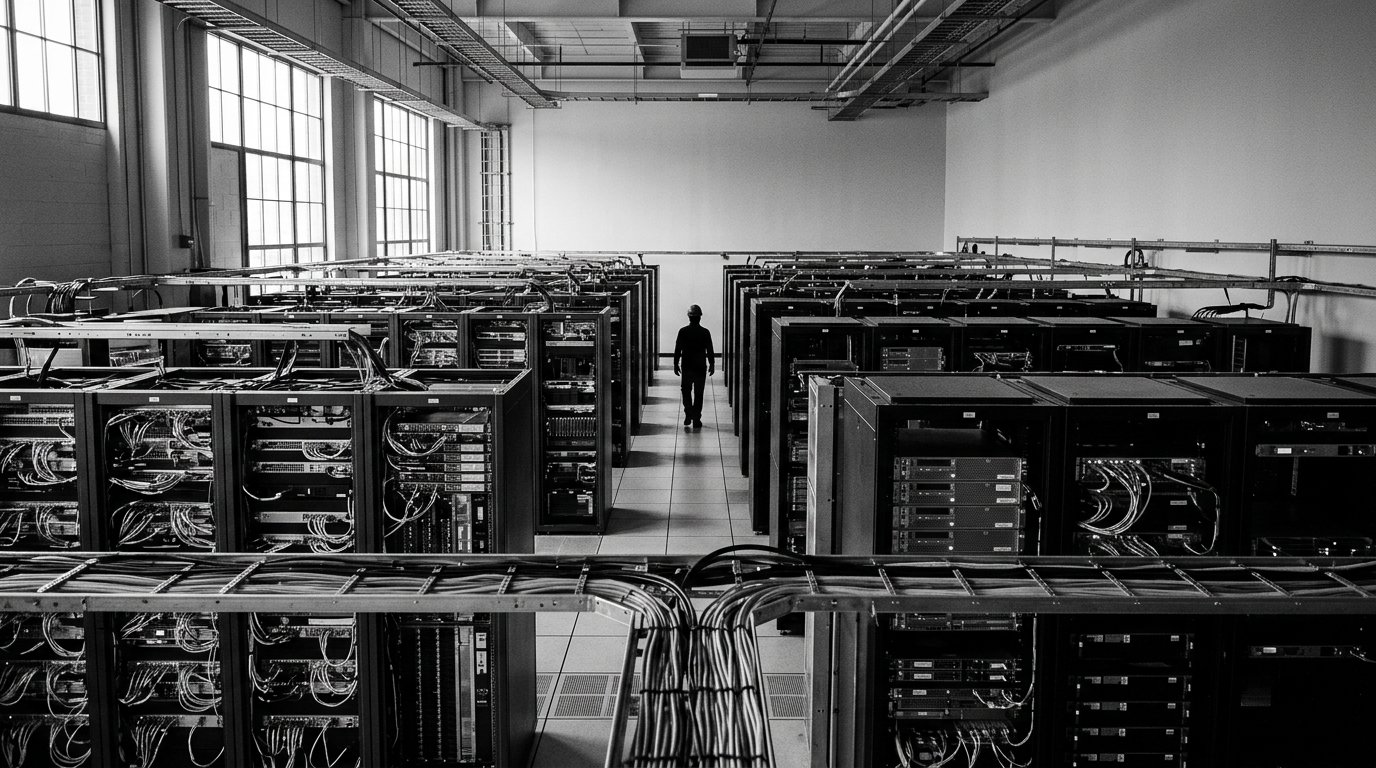
The Africell loan gives the US-owned telecoms firm $100 million to expand in Angola and push American-backed suppliers in African networks.
Africell's Angola bet
President Trump's administration is extending the financing as Washington tries to narrow China's lead in parts of Africa's digital infrastructure. Africell operates in Angola, DR Congo, The Gambia and Sierra Leone, giving the loan a footprint beyond one market.
Africell said the money would let it "continue expanding ambitiously in Angola." The company's statement ties the financing to network growth in a country where mobile coverage, data capacity and supplier choice are core commercial issues.
The deal is also intended to help American and allied suppliers develop telecoms infrastructure that can compete with Huawei, according to the reported terms. That makes the loan both a corporate financing package and a policy instrument in Washington's contest with Beijing.
Huawei competition frames loan
The competition centers on Huawei, the Chinese telecoms equipment company named as the rival the financing is meant to counter. The focus on network suppliers shows how hardware choices in African telecoms have moved into strategic policy, not only commercial procurement.
For Africell, the immediate benefit is capital for Angola, not a continent-wide reset. For Washington, the mechanism is narrower: use public lending to lower the cost of choosing US or allied infrastructure suppliers where Chinese vendors are already entrenched.
Kenya minerals widen contest
The telecom loan lands in the same week Washington announced plans for a critical minerals processing facility in Kenya. The Kenyan project moves the rivalry from data networks into mining supply chains used in renewable energy and digital technologies.
Kenya is reported to have undeveloped deposits of copper, graphite, lithium and nickel. Those minerals feed batteries, grids, electronics and other industrial systems, making local processing a policy prize as China holds a strong position in the wider industry.
The agreement also lands inside Kenyan politics. President William Ruto has strengthened ties with Western leaders and made domestic processing of resources part of his platform before next year's election.
Public lending as policy tool
The two moves show how US competition with China in Africa is being pursued through company-level deals rather than only diplomatic statements. Telecom networks and mineral processing have different economics, but both depend on financing, technical standards and government approvals.
If US financing lowers Africell's supplier costs in Angola, the company can expand with less reliance on Chinese-linked infrastructure. The wider telecoms sector would then face a clearer split between Chinese ecosystems and US-aligned alternatives.
If the Kenya processing plan advances, more minerals could be refined closer to the point of extraction. That would support Washington's supply-chain goal, give Ruto an election-year industrial policy argument and pressure mining companies to consider African processing capacity rather than exporting raw material.
Three paths for Africell
If the Africell loan is disbursed on schedule and Angola expansion holds, the macro effect is small but directional: more US capital would move into African infrastructure. Africell would gain room to build its network, while suppliers aligned with Washington would get a reference project.
If Huawei and other Chinese vendors keep offering cheaper or faster deployment, the loan may only slow their advantage. Africell would still face procurement and execution tests, and the regional telecoms industry would remain divided by price, financing terms and political alignment.
If the Kenya minerals plan stalls, the telecom deal becomes a narrower symbol of US engagement rather than part of a broader supply-chain shift. The open questions are the loan's final terms, the timing of Angola rollout and whether Kenya's processing facility moves beyond planning.